
How California HOAs Can (and Can't) Restrict Solar Panels on Your Home
Can a California HOA legally ban solar panels on my house?
No. Under California Civil Code Section 714, HOA rules that effectively prohibit solar panel installation are void and unenforceable. HOAs can impose reasonable restrictions on placement and aesthetics, but those restrictions cannot increase system costs by more than $1,000 or reduce energy output by more than 10 percent. Outright bans are not allowed.
What happens if my California HOA rejects my solar panel application?
If your HOA denies a solar installation, get the rejection in writing and compare their requirements against the Civil Code Section 714 cost and efficiency thresholds. If their restrictions exceed those limits, they're legally unenforceable. California law also requires HOAs to offer an internal dispute resolution process before a homeowner can take the matter to mediation or court.
Can a California HOA tell me where to put my solar panels?
Yes, within limits. An HOA can require panels be placed on a less visible roof slope for aesthetic reasons, but only if that placement doesn't reduce the system's energy output by more than 10 percent or add more than $1,000 in cost. If the HOA's preferred location meaningfully reduces your system's performance, that requirement is not legally enforceable under California's Solar Rights Act.
Does California's Solar Rights Act apply to condos?
The Solar Rights Act protections under Civil Code Section 714 apply to individually owned property. In a condominium, roof space is typically classified as common area rather than individually owned, which complicates the analysis. Condo owners should review their CC&Rs carefully and may want to consult an attorney familiar with the Davis-Stirling Act before pursuing a rooftop solar installation.
Can a California HOA fine me for installing solar panels without approval?
An HOA can require prior written approval before installation, and skipping that process could expose a homeowner to a fine under HOA rules. However, if the underlying ban or restriction on solar is void under Civil Code Section 714, courts have found that fines tied to that void restriction may also be unenforceable. Getting prior written approval, even under protest, is generally safer than skipping it entirely.

California has some of the strongest solar-access protections in the country, but HOA boards still send cease-and-desist letters, levy fines, and demand homeowners remove panels they've already paid tens of thousands of dollars to install. If you're in an HOA and considering solar, or you've already gotten pushback from your board, the law is more squarely on your side than most HOA notices suggest.
Related: What California HOAs Can and Can't Do About Your Solar Panels and Drought-Tolerant Landscaping · How California HOA Rules on Solar Panels Actually Work - and What Your HOA Can't Do

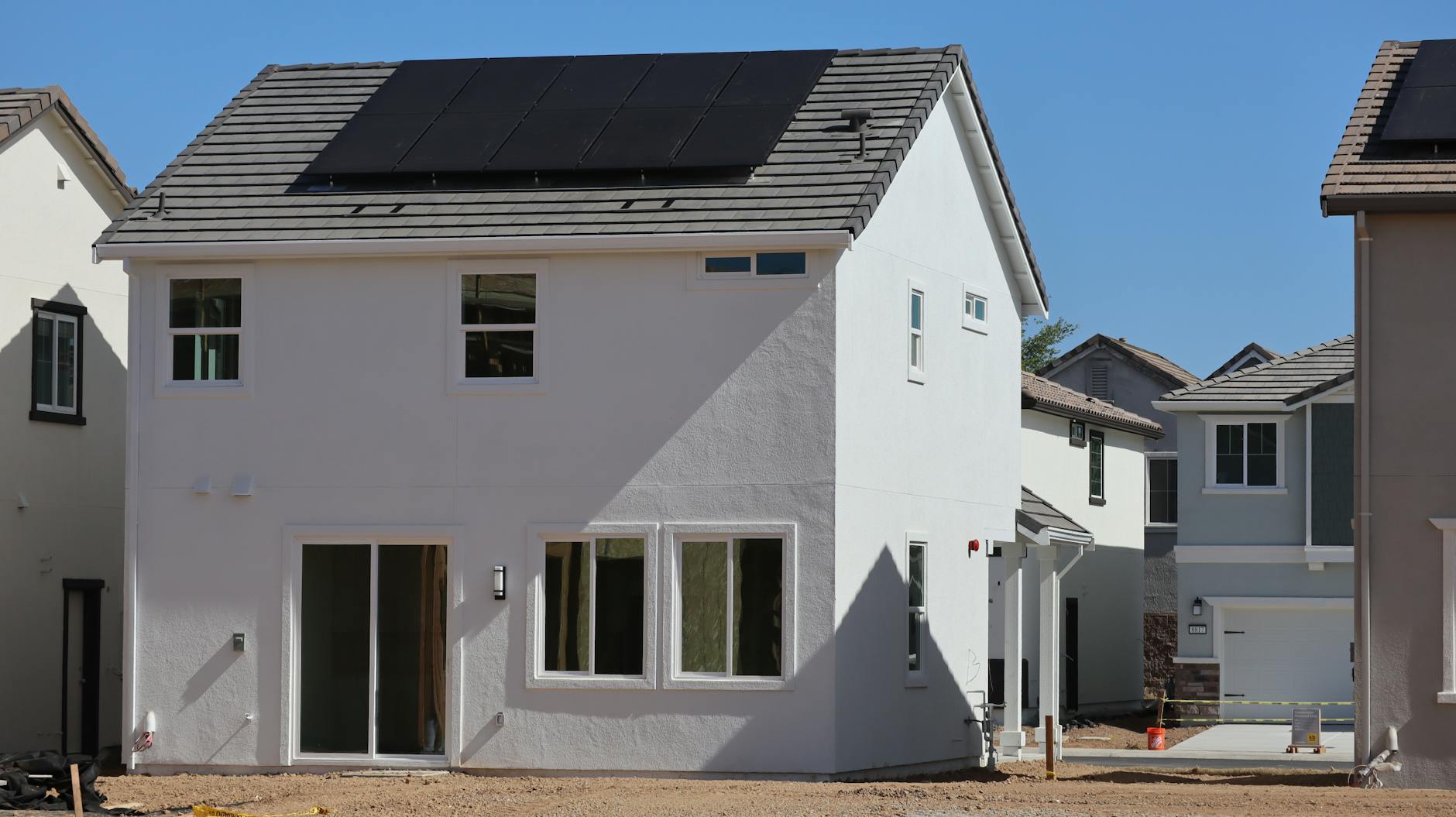

What the Solar Rights Act Actually Says

California's Solar Rights Act, read together with the Davis-Stirling Common Interest Development Act, prohibits HOAs from outright banning solar energy systems on individually owned property. A provision in Civil Code Section 714 makes any CC&R (covenants, conditions and restrictions) language that effectively prohibits solar installation void and unenforceable. The law has been on the books since 1978 and has been strengthened multiple times since.
That doesn't mean HOAs have no say. They're allowed to impose "reasonable restrictions" on placement, aesthetics, and installation method, but only up to a point. Under Civil Code Section 714, a restriction is not legally reasonable if it increases the cost of the system by more than $1,000 or decreases its energy output or efficiency by more than 10 percent. If an HOA's demands do either of those things, the restriction is unenforceable, and a court can award attorney fees to a homeowner who successfully challenges it.
What HOAs Can Legitimately Require
Within those limits, HOAs do retain some authority. They can require that a homeowner submit an installation plan for review before work begins, typically with a window of around 45 days to respond, though you should check your specific CC&Rs and California Civil Code for the current timeline. They can ask that panels be placed on a rear-facing roof slope rather than a street-facing one, if that's feasible given your roof's orientation and won't cut output beyond the 10 percent threshold. They can require that wiring be concealed where possible and that the installation meet applicable building codes.
What they cannot do is require you to use a specific contractor of their choosing, demand that panels be invisible from any public vantage point if meeting that demand would materially reduce system performance, or use the review process as an indefinite delay tactic. If an HOA fails to respond to a complete installation application within the required window, California law treats that as an automatic approval.
What to Do If Your HOA Says No
Start by getting the denial in writing. If you haven't submitted a formal application already, do so in writing and keep a copy with a timestamp. Document everything, including any emails, letters, or meeting minutes related to your installation.
Compare the HOA's stated objection against the Civil Code Section 714 thresholds. If the restriction they're imposing would cost you more than $1,000 to accommodate or would reduce your system's efficiency beyond 10 percent, that restriction is legally void. You can respond in writing citing the statute directly.
If the HOA still won't budge, California law requires HOAs to offer internal dispute resolution, sometimes called IDR, before a homeowner can pursue formal legal action. This is a mandatory meet-and-discuss process governed by Civil Code Section 5900 and following sections of Davis-Stirling. After internal dispute resolution, if you're still at an impasse, you can pursue civil mediation or, ultimately, litigation. Courts have consistently sided with homeowners in clear Solar Rights Act cases, and the attorney-fees provision is a meaningful deterrent against HOAs that push frivolous denials.
See also: What California HOAs Can and Can't Say About Solar Panels and Drought-Tolerant Landscaping · Can Your California HOA Really Restrict Solar Panels? Here's What the Law Actually Says
The California Department of Consumer Affairs' California Contractors State License Board is not the enforcement body here. There is no state agency that adjudicates HOA-solar disputes directly. Your leverage is the statute itself and, if it comes to it, small claims or superior court. For disputes where the dollar amount of damages is within small claims limits, that venue can be faster and cheaper than a full civil suit.
A Few Specific Situations Worth Knowing
Renters in HOA communities generally don't have the same Solar Rights Act protections because the right runs with property ownership, not tenancy. If you own a condo rather than a single-family home, the analysis gets more complicated: roof space in a condo building is typically common area, not individually owned, which changes what the statute covers. Condo owners should review their CC&Rs carefully and may want to consult an attorney familiar with Davis-Stirling before installing.
The law also covers solar water heating systems, not just photovoltaic electricity systems. The same cost and efficiency-impact limits apply. And if you're considering a rooftop battery storage system paired with solar, California law has extended similar protections to those systems as well, though the specifics of that coverage are worth verifying given how quickly energy storage policy has moved.
This is general information, not legal advice. Solar Rights Act protections and HOA requirements under Davis-Stirling can be fact-specific, and statutes do get amended. Verify current Civil Code provisions through California's official legislative site at leginfo.legislature.ca.gov, and consider consulting a California-licensed attorney if you're facing a formal HOA dispute.