
Can Your California HOA Really Restrict Solar Panels? Here's What the Law Actually Says
Can a California HOA ban solar panels on my house?
No. California Civil Code Section 714 makes any HOA provision that prohibits solar panels void and unenforceable. An HOA can impose reasonable conditions on placement or appearance, but those restrictions cannot add more than roughly $1,000 to your installation cost or reduce the system's efficiency by more than 10 percent. Outright bans are not legal.
Can my California HOA fine me for replacing my lawn with drought-tolerant plants?
Generally, no. California Civil Code Section 4735 prohibits HOAs from fining homeowners who replace traditional lawns with drought-tolerant or low-water landscaping. An HOA can still require a maintained, finished appearance, but it cannot penalize you solely because your yard no longer has a conventional irrigated lawn. Verify current code language at leginfo.legislature.ca.gov.
What is the Davis-Stirling Act and does it apply to my HOA?
The Davis-Stirling Common Interest Development Act is the California law that governs homeowners associations, condominium associations, and other common interest developments in the state. It sets rules for HOA meetings, finances, dispute resolution, and what restrictions HOAs can and cannot impose on homeowners. If you own property in a California HOA, Davis-Stirling almost certainly applies to your community.
How do I fight an HOA fine in California?
Start by submitting a written objection to the HOA board, citing the specific rule or law you believe the fine violates. Under the Davis-Stirling Act, you have the right to request internal dispute resolution with a board member. If that fails, you can pursue alternative dispute resolution such as mediation. Many county Superior Courts also have self-help centers that can assist with HOA small claims cases.
Can a California HOA block me from installing an EV charger in my garage?
Generally, no, if you have exclusive use of a parking space such as a deeded garage or carport. California Civil Code Section 4745 prohibits HOAs from banning electric vehicle charging station installations in those spaces. The HOA can set reasonable installation standards, but it cannot effectively veto a charger. Condo buildings with shared electrical systems can involve additional complexity, so review your governing documents carefully.
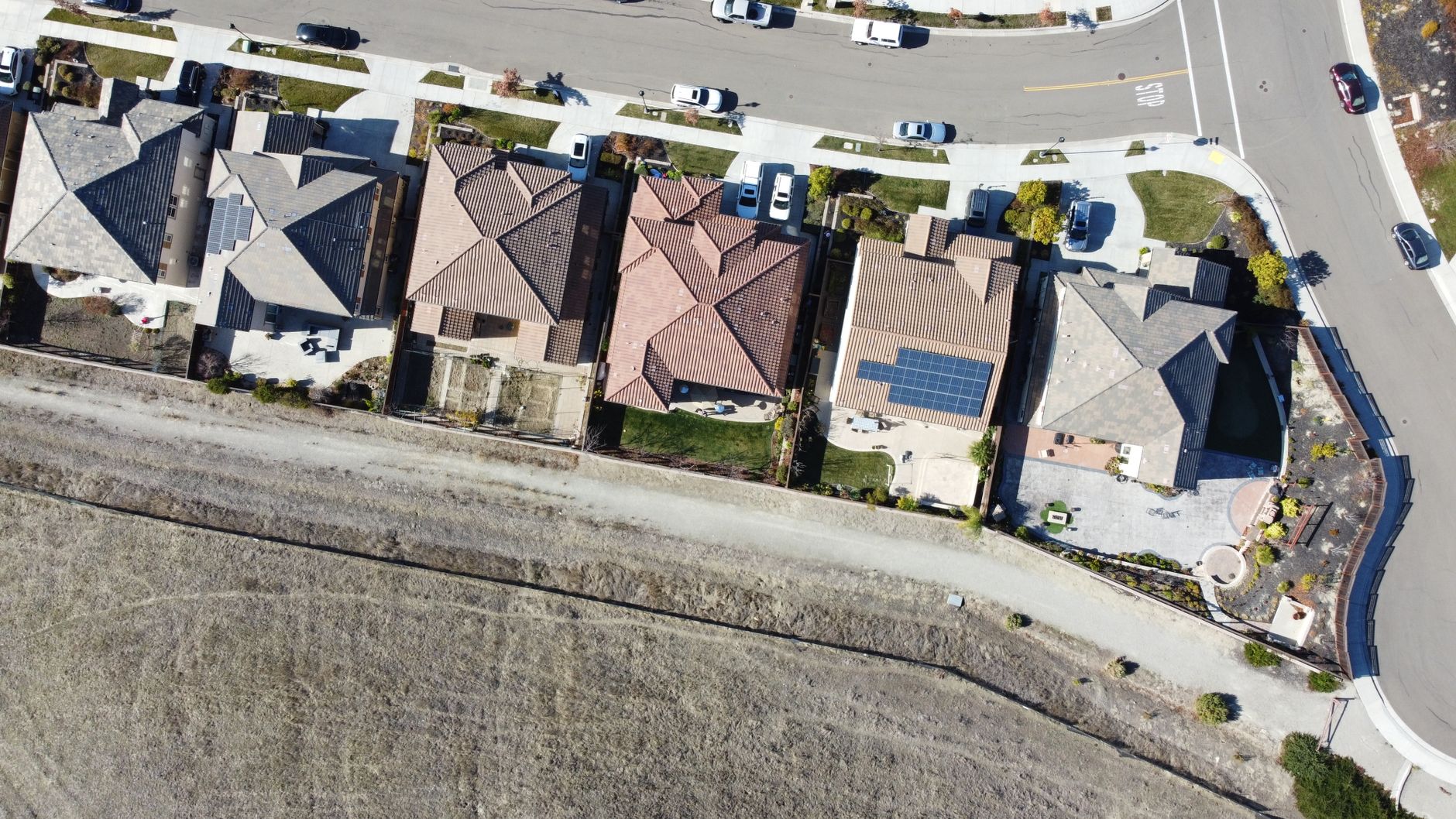
California homeowners who want to install solar panels, drought-tolerant landscaping, or an electric vehicle charger sometimes hit a wall from their HOA before they can break ground. What many don't know is that state law sharply limits what an HOA can actually do to block those projects. The Davis-Stirling Common Interest Development Act, which governs HOAs in California, carves out explicit protections for homeowners in each of these categories, and HOAs that overstep those limits can be liable for the homeowner's legal fees.
Related: How California HOA Rules on Solar Panels Actually Work - and What Your HOA Can't Do · Can Your California HOA Ban Solar Panels or Drought-Tolerant Landscaping? What the Law Actually Says
Solar Panels: What an HOA Can and Cannot Do

California Civil Code Section 714 prohibits HOAs from banning solar energy systems outright. An HOA cannot refuse to approve a solar installation, and any CC&R provision that purports to prohibit solar panels is void and unenforceable as a matter of state law. That's not a gray area.
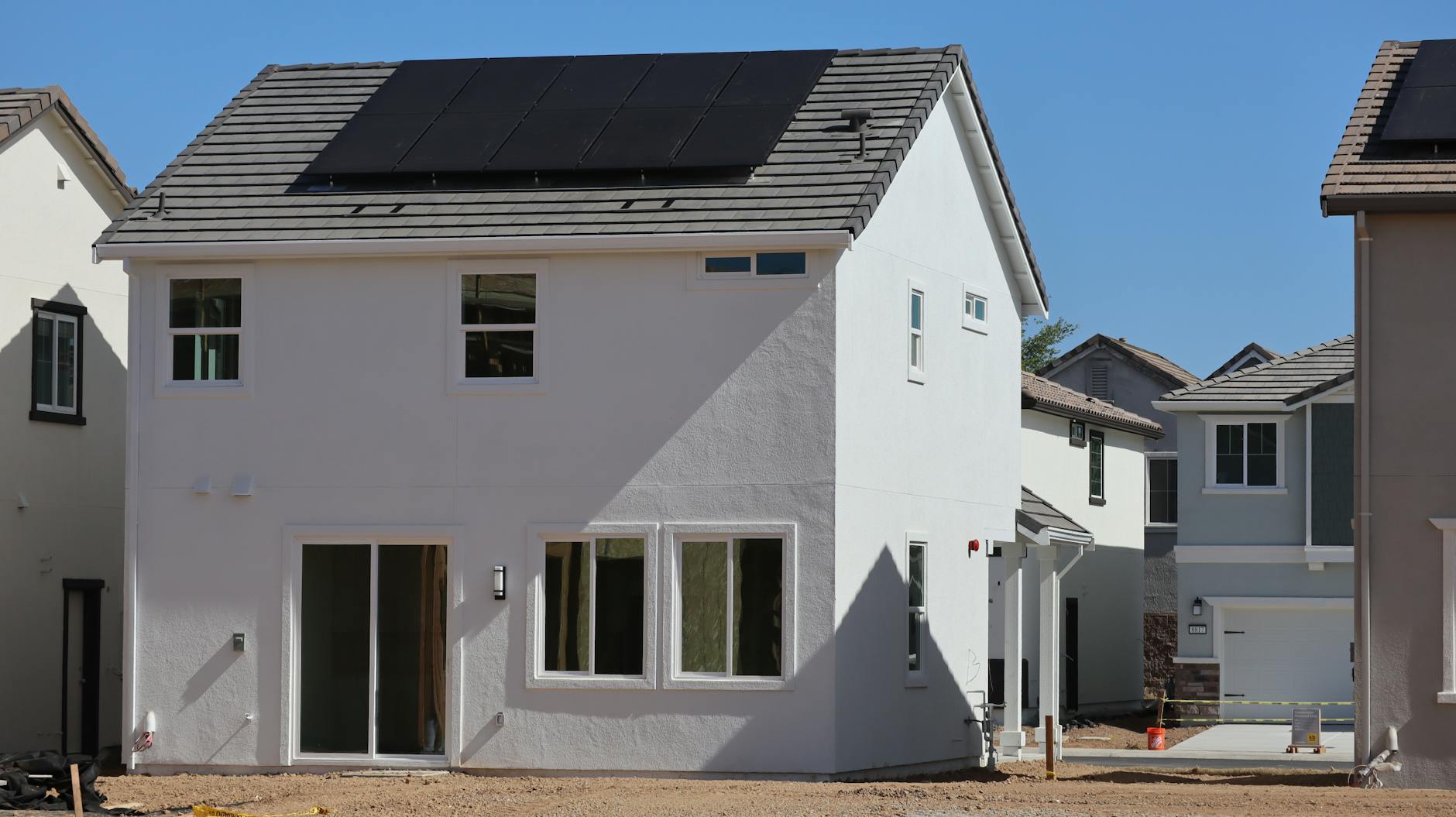


What an HOA can do is impose "reasonable" restrictions, as long as those restrictions don't add more than roughly $1,000 to the installation cost or reduce the system's energy output or efficiency by more than 10 percent. In practice, that typically means an HOA can require you to submit an application, run conduit in a specific color, or place panels in a way that minimizes their visibility from the street, provided that requirement doesn't undercut the system's performance or push costs past the threshold. If an HOA's conditions cross those lines, the conditions, not the project, are the problem.
Homeowners seeking approval must generally submit plans to the HOA. Under the Civil Code, if the HOA doesn't respond within a set period (the current default is 45 days, though HOAs can specify a different period in their governing documents, so check yours), approval is deemed granted. Verify the current timeline with your own HOA's CC&Rs and with the California Department of Real Estate or a California attorney, since governing documents vary.
Drought-Tolerant Landscaping: HOAs Have Even Less Room Here
This one tends to surprise homeowners. Since 2015, California law has prohibited HOAs from requiring homeowners to maintain a lawn that requires more water than drought-tolerant alternatives. Civil Code Section 4735 prevents an HOA from fining a member for replacing a traditional lawn with drought-tolerant or low-water plants, artificial turf (subject to some local rules), or other water-efficient ground cover.
An HOA can still set standards: requiring a finished, maintained appearance, setting a color palette for hardscape, or restricting specific plants that create genuine safety or fire hazards. What it cannot do is force someone to keep irrigating a traditional lawn during a drought emergency or impose fines purely because a yard doesn't look green and lush. If you get a fine for switching to drought-tolerant landscaping, that's worth contesting.
How to Challenge a Fine or Denial Under Davis-Stirling
If your HOA denies a solar application, issues a landscaping fine, or otherwise acts in a way you believe violates state law, Davis-Stirling gives you a process. First, put your objection in writing and send it to the HOA board, citing the specific Civil Code section you believe the HOA is violating. Keep copies of everything.
Davis-Stirling requires HOAs to offer internal dispute resolution, often called IDR, before a dispute goes further. You can request a meet-and-confer with a board member as a matter of right. If that doesn't resolve it, Civil Code Section 5925 provides for alternative dispute resolution, or ADR, typically mediation or arbitration, which must be offered before most HOA disputes can proceed to civil court.
If you ultimately prevail in court against an HOA on a solar or landscaping restriction claim, Civil Code Section 714 specifically allows a court to award attorney's fees to the homeowner. That fee-shifting provision has real teeth, and many HOAs will reconsider a denial once a homeowner's attorney puts them on notice of it.
See also: What California HOAs Can and Can't Do About Your Solar Panels and Drought-Tolerant Landscaping · How California Taxes Remote Workers - and What Out-of-State Income Actually Means for Your State Return
EV Chargers: Same General Framework
Civil Code Section 4745 extends similar protections to electric vehicle charging stations for homeowners who have exclusive use of a parking space, such as a deeded garage or carport. An HOA can't ban a charger outright; it can set reasonable installation standards. The cost-cap logic is similar to the solar rules: restrictions that make a compliant installation economically impractical or technically infeasible can be challenged.
One difference here is that in a condo or attached-unit building, the electricity source and permitting path can get complicated depending on how the building is wired. If your HOA is resisting, it's worth requesting the specific code section or governing-document provision it's relying on. Vague references to "aesthetics" or "the board's discretion" are not sufficient legal grounds to block a protected installation.
Where to Go If Your HOA Won't Budge
The California Department of Real Estate licenses and oversees common interest development management, and its website has Davis-Stirling resources. For disputes that need more than a strongly worded letter, California's small claims court handles HOA fine disputes up to the current small claims limit (verify the current limit at courts.ca.gov, as it can change), and many county Superior Courts have self-help centers that can walk you through the ADR and filing process at no charge.
The California Attorney General's office doesn't adjudicate individual HOA disputes, but its Davis-Stirling resources at oag.ca.gov and the California Legislative Information site at leginfo.legislature.ca.gov are where you can read the actual current statute text, which is worth doing before you file anything or write any formal letters to your board.
This is general information, not legal advice. HOA governing documents vary significantly, Davis-Stirling provisions are amended periodically by the legislature, and the right answer in your specific situation depends on facts that a California-licensed attorney can evaluate. Verify current Civil Code provisions at leginfo.legislature.ca.gov and consider consulting the California State Bar's lawyer referral service at calbar.ca.gov.