
What California HOAs Can and Can't Say About Solar Panels and Drought-Tolerant Landscaping
Can my California HOA ban solar panels?
No. California Civil Code Section 714 makes any HOA rule that effectively prohibits or unreasonably restricts solar panel installation void and unenforceable. The HOA can require prior approval and impose reasonable aesthetic standards, but those standards cannot meaningfully increase the cost of the system or reduce its energy output. Blanket bans are not legal under California law.
Can my HOA fine me for replacing my lawn with drought-tolerant plants in California?
Under California Civil Code Section 4735, HOAs cannot fine homeowners for replacing water-intensive turf with drought-tolerant landscaping during a water-shortage period or when a local water agency has issued conservation orders. The HOA can still set reasonable standards for how the new landscaping looks and is maintained, but it cannot require you to keep a lawn alive against conservation directives.
What is the HOA internal dispute resolution process in California?
California's Davis-Stirling Act, primarily in Civil Code Sections 4000 through 6150, requires HOAs to offer an Internal Dispute Resolution process before escalating most enforcement actions. A homeowner can request an IDR meeting with the board in writing. If that fails, the law also requires the HOA to offer Alternative Dispute Resolution such as mediation before filing a civil lawsuit against a homeowner.
Can a California HOA block my solar panel installation because of aesthetics?
A California HOA can impose aesthetic conditions on a solar installation, such as preferring a less visible roof slope, but only if doing so does not meaningfully increase the system's cost or reduce its efficiency below the thresholds set in Civil Code Section 714 and 714.1. Conditions that effectively prevent installation by making it impractical or too expensive are not enforceable under state law.
What can I do if my HOA rejects my drought-tolerant landscaping in California?
If your HOA rejects or fines you for drought-tolerant landscaping during a water-shortage period, start by requesting an Internal Dispute Resolution meeting in writing under California's Davis-Stirling Act. If that fails, you can pursue mediation or, for smaller fine amounts, small claims court. Document all communications and check whether a local water agency conservation order was in effect at the time of your conversion.

California law gives homeowners two specific protections that HOAs routinely underestimate or outright ignore: the right to install solar panels and the right to replace grass with drought-tolerant landscaping. Both are governed by state statute, which means HOA rules, CC&Rs, and architectural committees cannot simply override them. If your HOA has fined you, rejected your application, or threatened enforcement over either, there's a structured legal process for pushing back.
Related: What California HOAs Can and Can't Do About Your Solar Panels and Drought-Tolerant Landscaping · Can Your California HOA Really Restrict Solar Panels? Here's What the Law Actually Says
What the Law Actually Says About Solar Panels
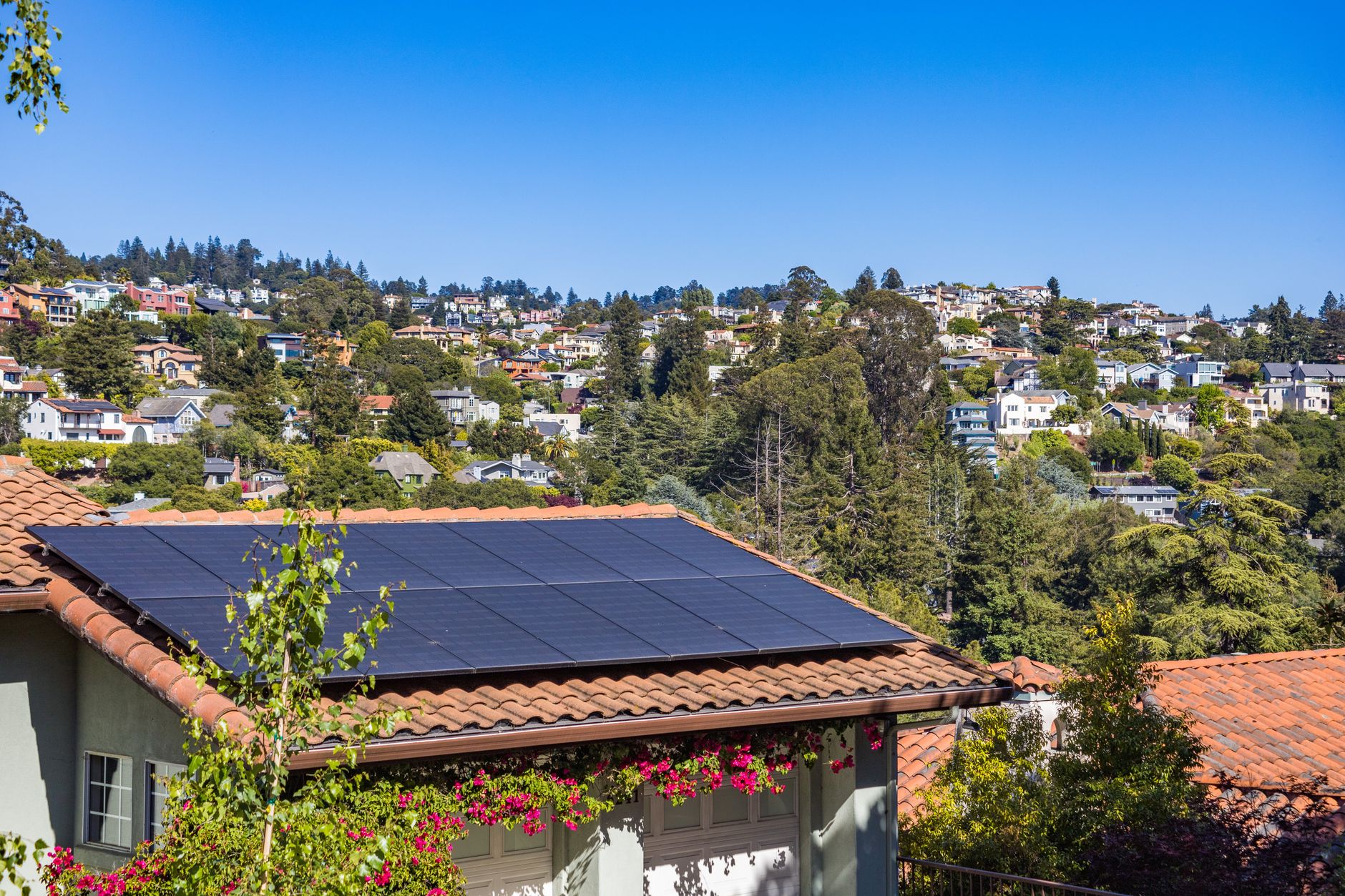
California Civil Code Section 714 makes any HOA provision that effectively prohibits or unreasonably restricts the installation of a solar energy system void and unenforceable. That's the plain read of the statute. The HOA can require you to get prior approval and can impose "reasonable" aesthetic or placement standards, but those standards cannot increase the cost of the system by more than a threshold amount or reduce its efficiency below a meaningful level. As of 2026, the California Legislature has set those thresholds in the statute itself, but check the current version of Civil Code Section 714.1 with your HOA's attorney or the California Department of Justice's guidance, because the specific dollar and efficiency figures have been amended before and the current text controls.

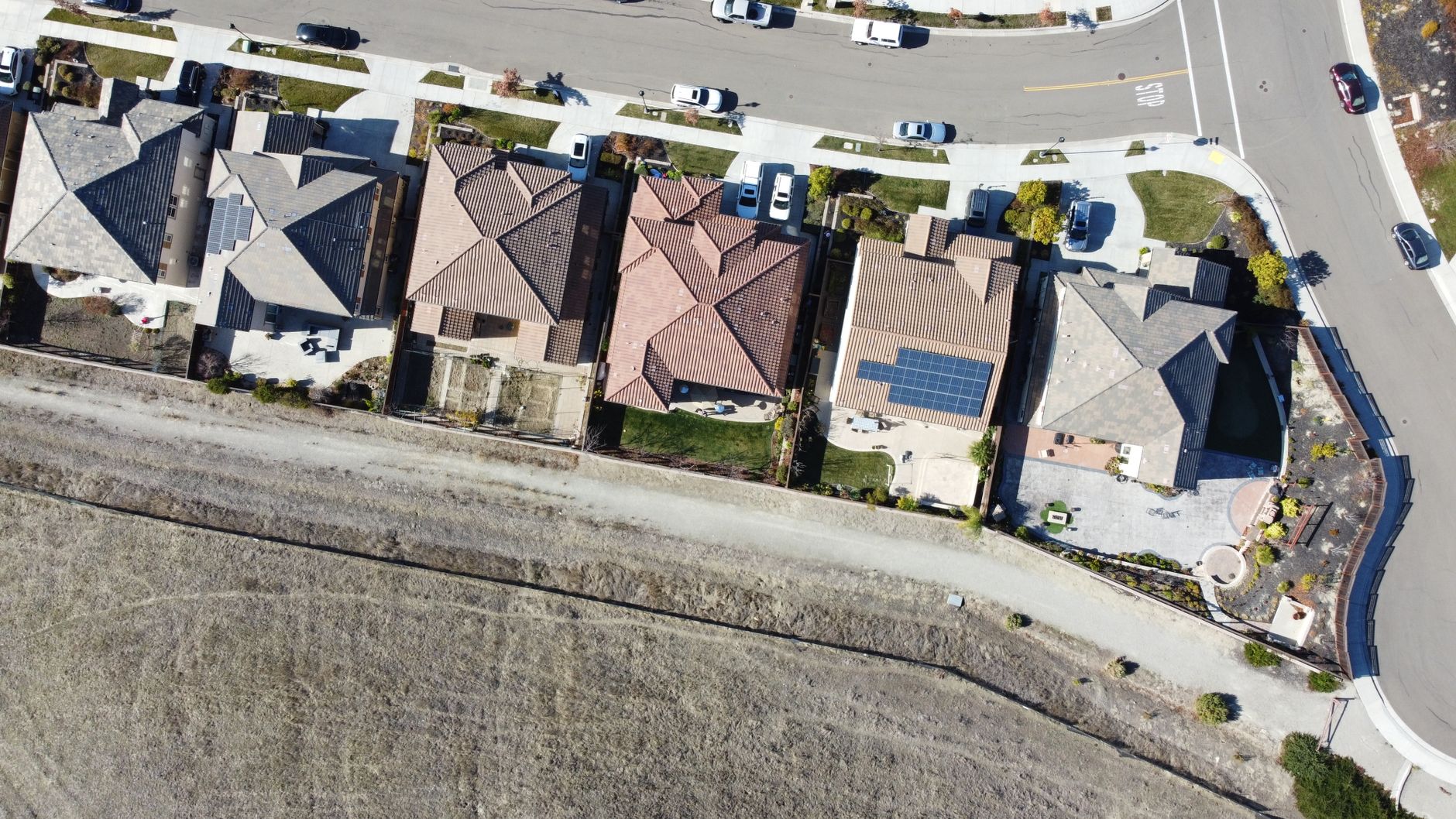

Practically speaking, this means your HOA can ask you to place panels on a rear-facing roof slope if the sun exposure is comparable, but it cannot simply say "no panels visible from the street" if your only viable roof space faces the street. It also cannot impose review timelines that effectively kill your project. If the HOA does not respond to a complete application within a reasonable review period, Civil Code Section 714 treats the installation as approved. Submit your application in writing, keep copies, and note the date you sent it.
What the Law Says About Drought-Tolerant Landscaping

California Government Code Section 4736 and Civil Code Section 4735 prohibit HOAs from fining homeowners for replacing water-intensive turf with drought-tolerant plants or other water-efficient landscaping during a state or local drought emergency. More broadly, Civil Code Section 4735 bars HOAs from requiring homeowners to maintain grass or other high-water-use plants in ways that conflict with water-shortage orders or recommendations from a local water agency.
The practical effect is significant. If your city or water district has issued conservation guidelines discouraging traditional lawn irrigation, your HOA cannot penalize you for complying with those guidelines by converting to drought-tolerant ground cover, gravel, native plants, or similar alternatives. The HOA can still impose reasonable standards on what the replacement landscaping looks like. It can require, for example, that the new landscaping be maintained and not simply be bare dirt. What it cannot do is demand you keep the lawn alive and green during a drought-restriction period, or fine you for not watering.
This protection applies specifically to water-shortage situations. Outside of a declared shortage or local conservation order, the statute is narrower. If you're converting proactively, the protection is strongest when you can document an applicable water agency recommendation or order at the time of the conversion.
How to Challenge an HOA Rejection or Fine
The Davis-Stirling Common Interest Development Act, codified primarily in California Civil Code Sections 4000 through 6150, requires HOAs to follow an internal dispute resolution process before enforcement gets serious. If your solar application was rejected, or if you received a fine related to your landscaping conversion, you have the right to request an Internal Dispute Resolution (IDR) meeting with the HOA board. Submit that request in writing.
If IDR doesn't resolve the issue, the next step is Alternative Dispute Resolution (ADR), which typically means mediation or arbitration, before either side can go to court on most Davis-Stirling disputes. California Civil Code Section 5930 requires the HOA to offer ADR as a condition of filing a civil action. This also means you can use the ADR requirement as leverage if the HOA is threatening to escalate.
Small claims court is also an option if the fine is within the jurisdictional limit for small claims in California, and some homeowners use it specifically to challenge fines they believe are illegal under Civil Code Section 714 or 4735. You do not need a lawyer for small claims, though the legal issues here are specific enough that consulting one, even briefly, is worth considering. The California Courts self-help website at courts.ca.gov has general information on the small claims process.
See also: Oakland Rent Control: Which Tenants Are Covered, What Landlords Can and Can't Do, and How to File a Complaint · What California Renters Need to Know About Security Deposit Rules
What the HOA Can Still Legitimately Require
State law doesn't give homeowners an unlimited pass. HOAs retain real authority over aesthetics and process. On solar, the HOA can require advance written approval, specify placement preferences between roof areas of similar solar access, require that systems be maintained, and impose standards to minimize visual impact as long as those standards don't effectively block installation. On landscaping, the HOA can set standards for what drought-tolerant replacement looks like: weed-free, maintained, not purely decomposed granite that turns into a drainage problem for neighbors.
The HOA can also regulate short-term rentals, parking, exterior paint colors, and other issues within limits. The line the law draws is between aesthetic regulation, which is generally allowed, and outright prohibition of a state-protected right, which is not. When you're reviewing your HOA's response to a solar or landscaping application, the key question is whether their conditions meaningfully impair the system's function or the water savings, not just whether they're imposing any conditions at all.
Where to Start If You Have a Dispute
Pull your HOA's CC&Rs and rules in writing. Compare them directly to the current text of California Civil Code Section 714 (solar) and Civil Code Section 4735 (drought landscaping). Document everything you submit and receive in writing. If the HOA's rules appear to conflict with state statute, send a written request for IDR. If you're unsure whether your situation falls within the statute's protection, the California Department of Consumer Affairs has general information on common interest development law, and the Community Associations Institute also publishes guidance aimed at both boards and homeowners, though neither is a substitute for a California attorney familiar with HOA law for a fact-specific dispute.
This is general information, not legal or financial advice. The specific statutes cited here can be amended, and local water agency orders vary by jurisdiction. Verify current law at the California Legislative Information site at leginfo.legislature.ca.gov, and for general consumer-level guidance on HOA disputes, see the California Department of Consumer Affairs at dca.ca.gov.