
What California HOAs Can and Can't Do About Your Solar Panels and Drought-Tolerant Landscaping
Can my California HOA make me remove solar panels I already installed?
Generally no, if the panels are on a roof you own or have exclusive use of. California Civil Code Section 714 prohibits HOA rules from effectively preventing solar installations - check leginfo.legislature.ca.gov for the current statutory language and consult an attorney if your HOA is pursuing removal.
Can my HOA fine me for letting my lawn go brown during a drought?
Under California Civil Code Section 4735, HOAs generally cannot fine homeowners for reducing watering during a declared water shortage emergency or when local water agencies have mandated conservation. The specifics depend on whether a local emergency declaration is in effect.
What counts as a "reasonable restriction" an HOA can put on solar panels?
California law allows HOAs to impose conditions on solar installations - such as placement or screening requirements - as long as those conditions don't add more than $1,000 to the system's cost or cut its energy output by more than 10 percent. Restrictions beyond those thresholds are generally unenforceable.
Does California law protect drought-tolerant landscaping if there's no active drought emergency?
Protections are strongest during declared water shortage emergencies, but California has also amended the Davis-Stirling Act to limit HOAs from requiring landscaping that conflicts with local water agency conservation mandates more broadly. Review the current text of Civil Code Section 4735 and check whether your local water agency has active conservation requirements.
What can I do if my HOA ignores my challenge to a fine?
The Davis-Stirling Act requires HOAs to offer alternative dispute resolution before pursuing civil litigation against a member. You can also demand ADR from your side. Your county Superior Court's self-help center can explain your options if the matter escalates.

California homeowners have spent years putting up drought-tolerant gardens and rooftop solar to cut water bills and utility costs, only to get letters from their HOA demanding they rip it all out. Those letters often don't hold up under state law - but knowing why, and what to do about it, matters if you're facing one.
Related: What California HOAs Can and Can't Say About Solar Panels and Drought-Tolerant Landscaping · Can Your California HOA Ban Solar Panels or Drought-Tolerant Landscaping? What the Law Actually Says
What State Law Actually Says About Solar

The Davis-Stirling Common Interest Development Act, the main body of California law governing HOAs, doesn't stand alone on solar. California Civil Code Section 714 broadly prohibits any deed restriction, CC&R, or HOA rule from effectively preventing a homeowner from installing a solar energy system on their own roof. The prohibition covers photovoltaic panels as well as solar water heaters.


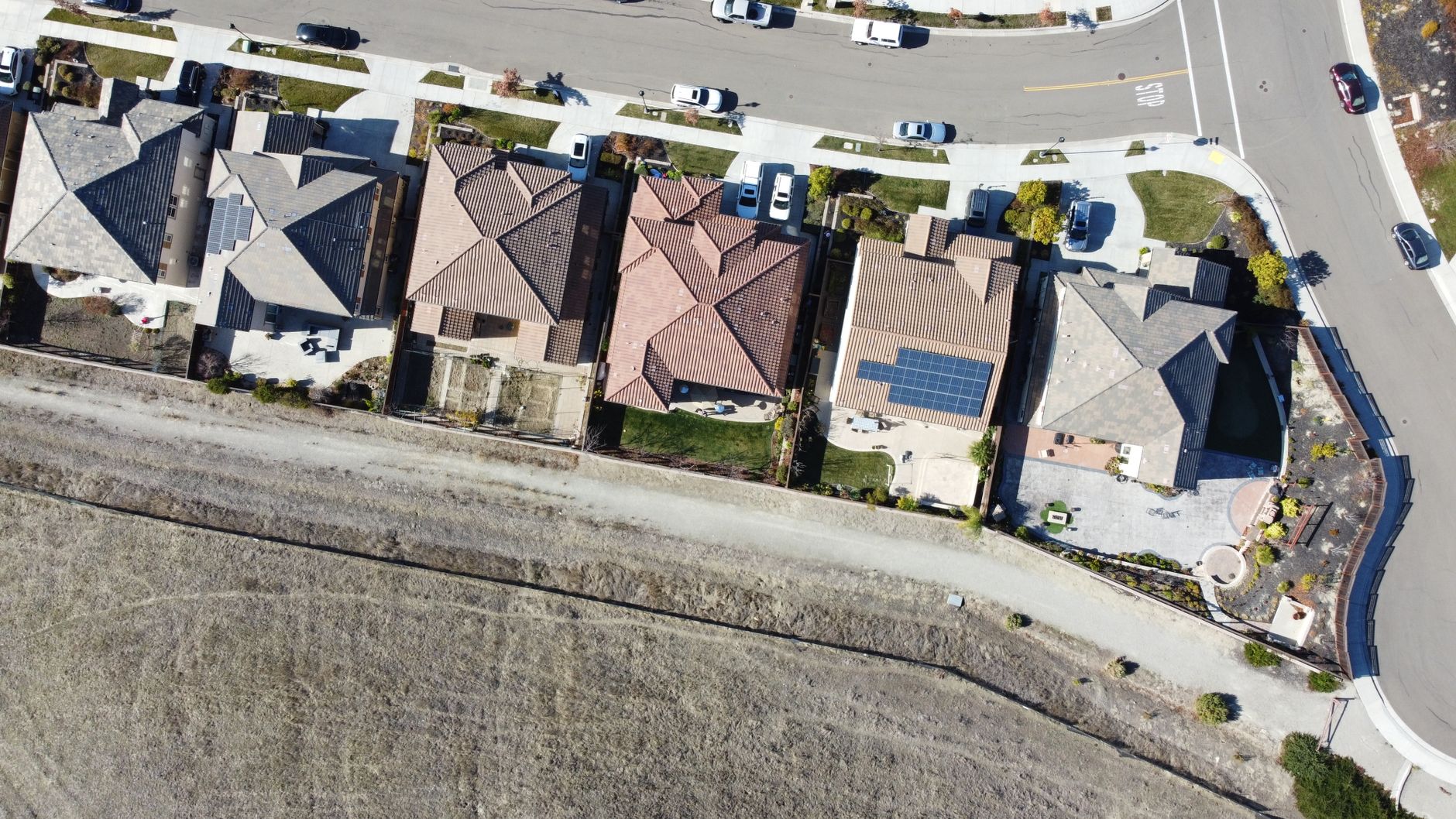
An HOA can still impose "reasonable restrictions" on solar installations, but those restrictions have a legal ceiling: they cannot add more than $1,000 to the cost of the system or decrease its energy output by more than 10 percent, according to the current statute. If an HOA's architectural guidelines require specific panel placement or screening that would push past either of those thresholds, those guidelines are unenforceable.
There's one significant carve-out: the roof has to be space the homeowner owns or has the exclusive right to use. If you're in an attached condo where the roof is common area owned collectively by the association, this protection may not apply in the same way. Detached single-family homes in a planned development are the clearest case where Section 714 works in your favor.
Drought-Tolerant Landscaping Has Its Own Protections

California law has been tightening restrictions on what HOAs can demand from homeowners when it comes to lawns and water use. Under current California Civil Code Section 4735, an HOA cannot fine a homeowner for replacing water-intensive grass with drought-tolerant plants or artificial turf during a declared water shortage emergency. The law also prohibits HOAs from requiring homeowners to water to the point of wasting water when local water restrictions are in effect.
Beyond drought emergencies, California has moved to limit HOA authority over landscaping choices more broadly. As of recent amendments to the Davis-Stirling Act, HOAs generally cannot require a homeowner to plant or maintain a lawn that conflicts with local water agency conservation mandates. If your city or water district has told residents to cut outdoor water use, your HOA can't override that by threatening fines for a brown lawn.
What HOAs can still do: require that drought-tolerant landscaping be "neat and maintained," specify approved plant lists, or ask that artificial turf meet certain quality standards. Those kinds of aesthetic rules are generally permissible as long as they don't effectively force a homeowner back to a water-intensive landscape.
How to Challenge an HOA Violation Notice on These Grounds
If you receive a violation notice or fine related to solar panels or drought-tolerant landscaping, the first step is to respond in writing before the deadline the HOA specifies, which is typically stated in the notice itself. Request a hearing before the HOA board - under the Davis-Stirling Act, members have a right to appear before the board before a fine becomes final.
At that hearing, cite the specific code section that applies to your situation: Civil Code 714 for solar, Civil Code 4735 for drought landscaping. Put your objection in writing. Keep copies of everything.
If the HOA proceeds with the fine anyway, California law requires HOAs to offer alternative dispute resolution (ADR) - typically mediation or arbitration - before they can file a civil lawsuit against you over an internal dispute. You can also demand ADR from your side. The California Department of Consumer Affairs has published general guidance on HOA dispute resolution, and your county's Superior Court self-help center can explain small claims or civil options if the dispute escalates to that point.
See also: Can Your California HOA Really Restrict Solar Panels? Here's What the Law Actually Says · Your Landlord Just Entered Without Notice - What California Renters Can Do About It
For complaints about HOAs that you believe are violating state law, the California Attorney General's office accepts consumer complaints, though its enforcement role in individual HOA disputes is limited. An attorney who handles Davis-Stirling cases can advise on whether a specific situation warrants legal action.
A Few Things HOAs Can Still Legitimately Control
State law leaves HOAs meaningful authority even in these protected areas. An HOA can require advance architectural approval for a solar installation as long as the approval process doesn't impose unreasonable delays or costs that effectively block the project. It can specify where on a roof panels may be placed, as long as those specs don't cross the cost or output thresholds in Civil Code 714.
On landscaping, HOAs retain real authority over front-yard appearance in ways that go beyond watering mandates. They can require mulch rather than bare dirt, specify that gravel or rock installations meet certain standards, or ask that drought-tolerant plants be maintained to a reasonable level of tidiness. The line the law draws is between aesthetics and effectively forcing water waste.
Short-term rental restrictions - whether an HOA can ban Airbnb-style rentals - are a separate question governed by different parts of the Davis-Stirling Act and local ordinances, and vary significantly by development and municipality. That topic warrants its own review of your specific CC&Rs and any local permitting rules.
This is general information, not legal or financial advice - check the California Legislative Information website at leginfo.legislature.ca.gov for the current text of Civil Code Sections 714 and 4735, and consult a Davis-Stirling-experienced attorney for guidance on your specific situation.