
Can Your California HOA Ban Solar Panels or Drought-Tolerant Landscaping? What the Law Actually Says
Can a California HOA legally ban solar panels?
No. California Civil Code Section 714 prohibits HOA rules that effectively ban solar panel installations. An HOA can impose reasonable aesthetic restrictions on placement, but cannot enforce rules that significantly increase installation costs or reduce a system's efficiency beyond thresholds set in the statute. Any CC&R provision that crosses those limits is void and unenforceable.
Can my HOA fine me for letting my lawn die during a California drought?
Under California Civil Code Section 4735, an HOA cannot fine a homeowner for allowing a lawn to go brown or for replacing it with drought-tolerant plants during a period when a local water-rationing program is in effect. Keep any written notices from your water district as documentation if your HOA sends a fine anyway.
Can a California HOA restrict short-term rentals like Airbnb?
Yes, generally. California law does not preempt HOA restrictions on short-term rentals the way it does for solar or water-efficient landscaping. If your CC&Rs prohibit rentals shorter than 30 days, those restrictions are typically enforceable. Whether a more recently adopted amendment was validly passed under Davis-Stirling voting rules is a separate question worth checking.
What can I do if my HOA ignores my solar panel application?
Put your objection in writing, citing California Civil Code Section 714. Under the Davis-Stirling Act, HOAs must engage in an internal dispute resolution process when a homeowner requests it in writing. If that fails, California law requires HOAs to participate in alternative dispute resolution - mediation or arbitration - before most HOA disputes proceed to court.
Can an HOA require me to maintain a green lawn or prohibit rock gardens in California?
An HOA rule that effectively mandates water-intensive landscaping or prohibits drought-tolerant alternatives like native plants, decomposed granite, or xeriscape designs is legally vulnerable under California Civil Code Section 4735, especially during declared water-shortage emergencies. HOAs may still regulate the appearance and upkeep of drought-tolerant installations, but cannot require you to use significantly more water than local mandates allow.

California law puts hard limits on what a homeowners association can restrict when it comes to solar panels and water-efficient landscaping - two things that have become genuinely relevant to most California homeowners in recent years, whether because of rising electricity costs, state drought policy, or both. HOAs that try to block or effectively ban these improvements are, in most cases, operating outside what the law allows.
Related: What California HOAs Can and Can't Do About Your Solar Panels and Drought-Tolerant Landscaping · What California HOAs Can and Can't Say About Solar Panels and Drought-Tolerant Landscaping
Solar Panels: HOAs Can Regulate, But Not Prohibit
California Civil Code Section 714 is the controlling statute here. It bars any CC&R (covenants, conditions, and restrictions) provision, HOA rule, or architectural guideline that effectively prohibits a homeowner from installing a solar energy system. The word "effectively" matters: an HOA can impose reasonable aesthetic and placement restrictions, but it cannot enforce rules that would increase the cost of a solar installation by more than a specified amount or that would reduce its efficiency by more than a specified percentage threshold. As of the current version of the statute, those thresholds are defined in the code itself, and any HOA restriction that crosses them is void and unenforceable.


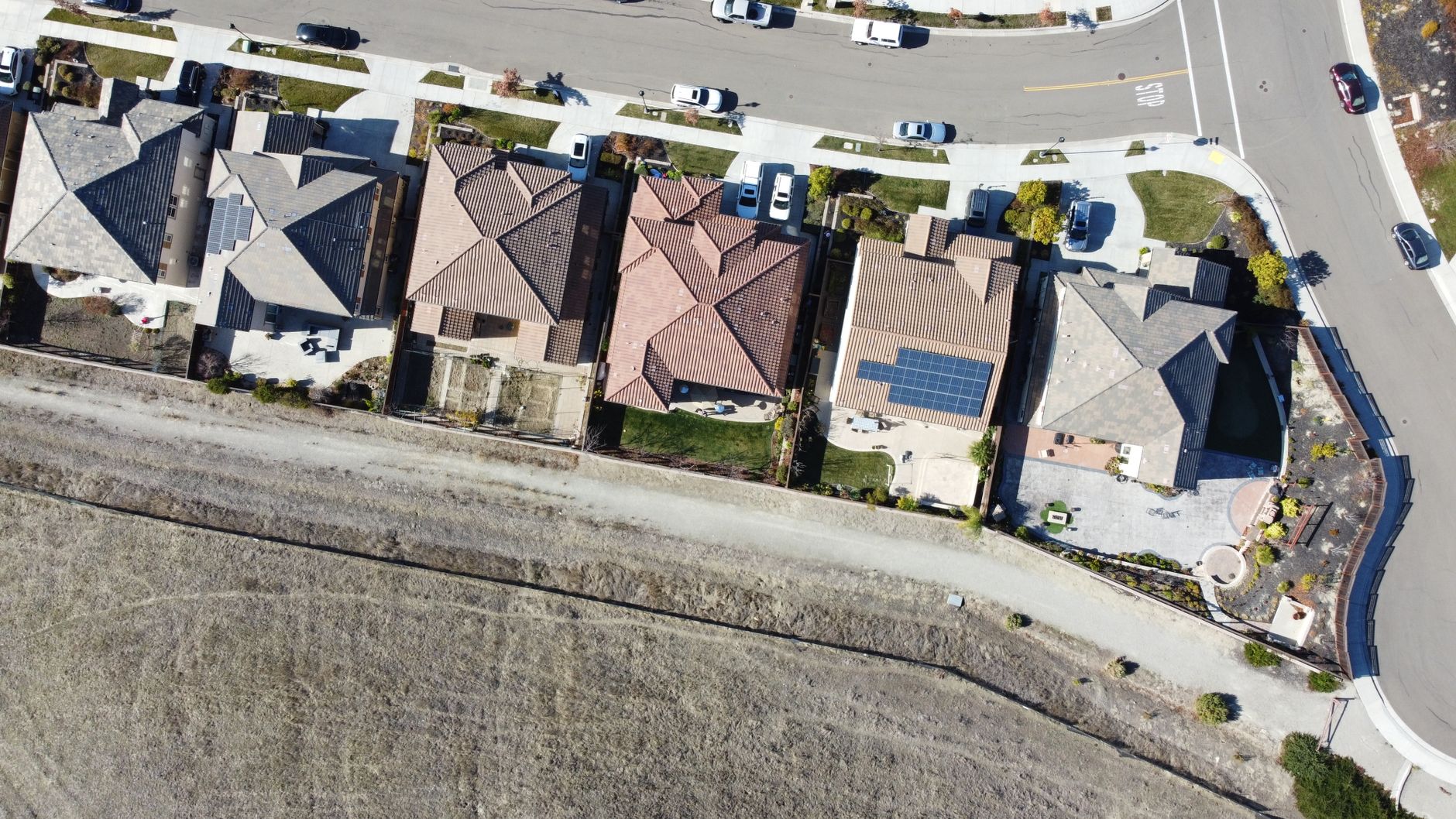
What HOAs can do: require that panels be placed to minimize visibility from the street where that's feasible without significantly reducing output or meaningfully adding to cost; require that installations meet local building codes; and require advance notice to the HOA before installation begins. What they cannot do: mandate a particular brand or type of panel, require approval from a third party with no timeline obligation, or impose review fees that are unreasonably high. If your HOA is stonewalling a solar application without a written denial explaining the specific restriction it's invoking, that's worth noting in any dispute you pursue.
Planned developments where the HOA actually owns the roof - common in some condo arrangements - are treated differently. In that situation, the homeowner's right to install a solar system may depend on a separate provision in the code covering shared rooftops, and the analysis is more complicated. If that's your situation, the California Department of Consumer Affairs' guide on solar rights is a reasonable starting point before you take any formal step.
Drought-Tolerant Landscaping: The HOA Genuinely Cannot Force You to Grow Grass
California Government Code Section 8604 and California Civil Code Section 4735 together make it illegal for an HOA to fine or take adverse action against a homeowner who replaces a lawn with drought-tolerant or water-efficient plants during a declared water shortage emergency. Beyond that specific emergency protection, Civil Code Section 4735 goes further: it prohibits HOAs from requiring homeowners to use water-intensive landscaping as a condition of the CC&Rs, or from fining a homeowner for allowing a lawn to go brown during any period when a water-rationing program is in effect locally.
The practical upshot is that an HOA cannot cite you for a dead or dormant lawn if your local water district or a state agency has told residents to cut back on outdoor watering. Keep any written notices from your water agency - those documents are useful if an HOA fine shows up anyway. More broadly, an HOA rule that flatly requires a green lawn or prohibits rock gardens, decomposed granite, or California native plants as a substitute is legally vulnerable if enforced against a homeowner who's trying to comply with a water-reduction mandate.
What HOAs retain is the right to regulate the appearance of drought-tolerant landscaping within reason - requiring that artificial turf, if used, meet a quality standard, or that xeriscape installations be maintained and not left as bare dirt with dead weeds. Those kinds of aesthetic standards have generally been treated as permissible, so long as they don't functionally require a homeowner to use more water than a local drought mandate allows.
Short-Term Rentals: This Is Where HOAs Have More Room to Act
Unlike solar and water-wise landscaping, short-term rentals don't enjoy the same statutory shield. California law does not preempt HOA restrictions on short-term rentals the way it does on solar and drought-tolerant plants. If your CC&Rs prohibit renting a unit for fewer than 30 days, or require owner-occupancy as a condition of the community, those restrictions are generally enforceable - and courts in California have upheld them.
Some HOAs have added short-term rental restrictions by amendment in recent years, responding to neighbor complaints about platforms like Airbnb. Whether such an amendment was validly adopted matters: under the Davis-Stirling Common Interest Development Act, a CC&R amendment typically requires approval from a majority of the membership, with proper notice and voting procedures. If your HOA added a short-term rental ban but the amendment was voted in without proper notice or a valid quorum, the amendment itself might be challengeable on procedural grounds, separate from the underlying question of whether the restriction is allowed.
See also: Can Your California HOA Really Restrict Solar Panels? Here's What the Law Actually Says · What California's Lemon Law Actually Covers - and How to Use It If Your Car Qualifies
If you're considering a short-term rental and you live in an HOA community, read your CC&Rs and any operating rules before listing a property. The HOA's enforcement tools can include fines that escalate under Davis-Stirling's disciplinary procedures, and in California, unpaid HOA fines - if attached to unpaid assessments through a specific legal process - can lead to a lien on your property. That's a serious consequence worth understanding before you list.
What To Do If Your HOA Is Violating These Protections
If an HOA is enforcing a rule against your solar installation or water-efficient landscaping that you believe is illegal, the first step is to put your objection in writing, citing the specific code section. HOAs are required under Davis-Stirling to respond to written disputes through an internal dispute resolution process. If that goes nowhere, California's Civil Code provides for alternative dispute resolution (mediation or arbitration) before most HOA-related lawsuits can be filed - the HOA is required to participate in that process if a homeowner requests it, under current law.
For solar disputes specifically, the California Public Utilities Commission has published guidance for homeowners, and complaints about HOA interference with solar rights can be directed to the California Attorney General's office or pursued through small claims court if the dollar amounts are within that court's jurisdiction. For landscaping disputes during a declared drought, your local water district may also be able to provide a written statement confirming any applicable water-use restrictions, which strengthens your position considerably in an internal HOA dispute or any subsequent legal process.
This is general legal information, not legal advice - specific outcomes depend on your CC&Rs, your HOA's governing documents, and the facts of your situation. Verify current statute text and thresholds with the California Legislature's official code at leginfo.legislature.ca.gov, and consult the California Department of Consumer Affairs at dca.ca.gov for guidance on HOA rights and dispute processes.