
What California's Lemon Law Actually Covers - and How to Use It If Your Car Qualifies
Does California's lemon law apply to used cars?
California's lemon law, the Song-Beverly Consumer Warranty Act, can apply to used cars if the vehicle is still covered by the original manufacturer's warranty at the time of the defect and repair attempts. It does not apply to vehicles sold "as is" with no warranty. Certified pre-owned vehicles with a remaining factory warranty may qualify.
How many repair attempts does it take to qualify for California's lemon law?
Under California's lemon law presumption, a vehicle may qualify after at least four repair attempts for the same defect, or two attempts if the defect could cause serious injury or death, or if the car has been out of service for more than 30 cumulative days for repairs. These thresholds don't guarantee a win but significantly support a claim.
What can you get under California's lemon law if your car qualifies?
If your vehicle qualifies under California's Song-Beverly Consumer Warranty Act, the manufacturer must offer either a replacement vehicle of comparable value or a full refund of your purchase price. Either remedy is reduced by a mileage offset calculated from the miles driven before the first repair attempt. Attorney's fees are also recoverable if you win in court.
Do I need a lawyer to file a California lemon law claim?
You don't legally need an attorney to pursue a California lemon law claim, but many consumers work with one because the Song-Beverly Act requires manufacturers to pay the winning consumer's attorney's fees. This means many consumer attorneys take lemon law cases on contingency, with no upfront cost. The California Department of Consumer Affairs at dca.ca.gov can also explain the arbitration process.
How long do I have to file a lemon law claim in California?
California lemon law claims filed under the Song-Beverly Consumer Warranty Act are generally subject to a four-year statute of limitations, typically running from when you first knew or should have known about the defect. The exact deadline can depend on your specific repair and warranty timeline, so consulting a consumer attorney or checking with the California Department of Consumer Affairs at dca.ca.gov is advisable.

Buying a new car that keeps breaking down is frustrating enough. Realizing you may have legal grounds to force the manufacturer to replace it or give you your money back is the part most California drivers don't know about. California's lemon law - formally the Song-Beverly Consumer Warranty Act - gives vehicle owners some of the strongest protections in the country, but the process requires you to document everything and follow specific steps.
Related: How California's Eviction Process Actually Works - and What Tenants Can Do to Fight Back · California SDI Tax: What That Deduction on Your Paycheck Actually Pays For


What the Law Actually Covers

California's lemon law applies to new vehicles purchased or leased in California that come with a manufacturer's warranty. It also covers used vehicles that are still within their original manufacturer's warranty period - so if you bought a certified pre-owned car with a remaining factory warranty and it's been a persistent problem, you're not automatically out of luck. The law does not cover vehicles bought "as is" with no warranty, or private-party sales where no dealer or manufacturer warranty transferred.
To qualify, the vehicle must have a defect that substantially impairs its use, value, or safety, and the manufacturer or authorized dealer must have had a reasonable number of attempts to fix it. California law presumes a reasonable number of attempts has occurred if the same problem has been worked on at least twice for a defect that could cause serious injury or death, at least four times for any other defect, or if the vehicle has been out of service for repairs for a cumulative total of more than 30 days. Those thresholds trigger what's called the "lemon law presumption" - they don't automatically win your case, but they shift the burden significantly toward the manufacturer.
What Documentation You'll Need
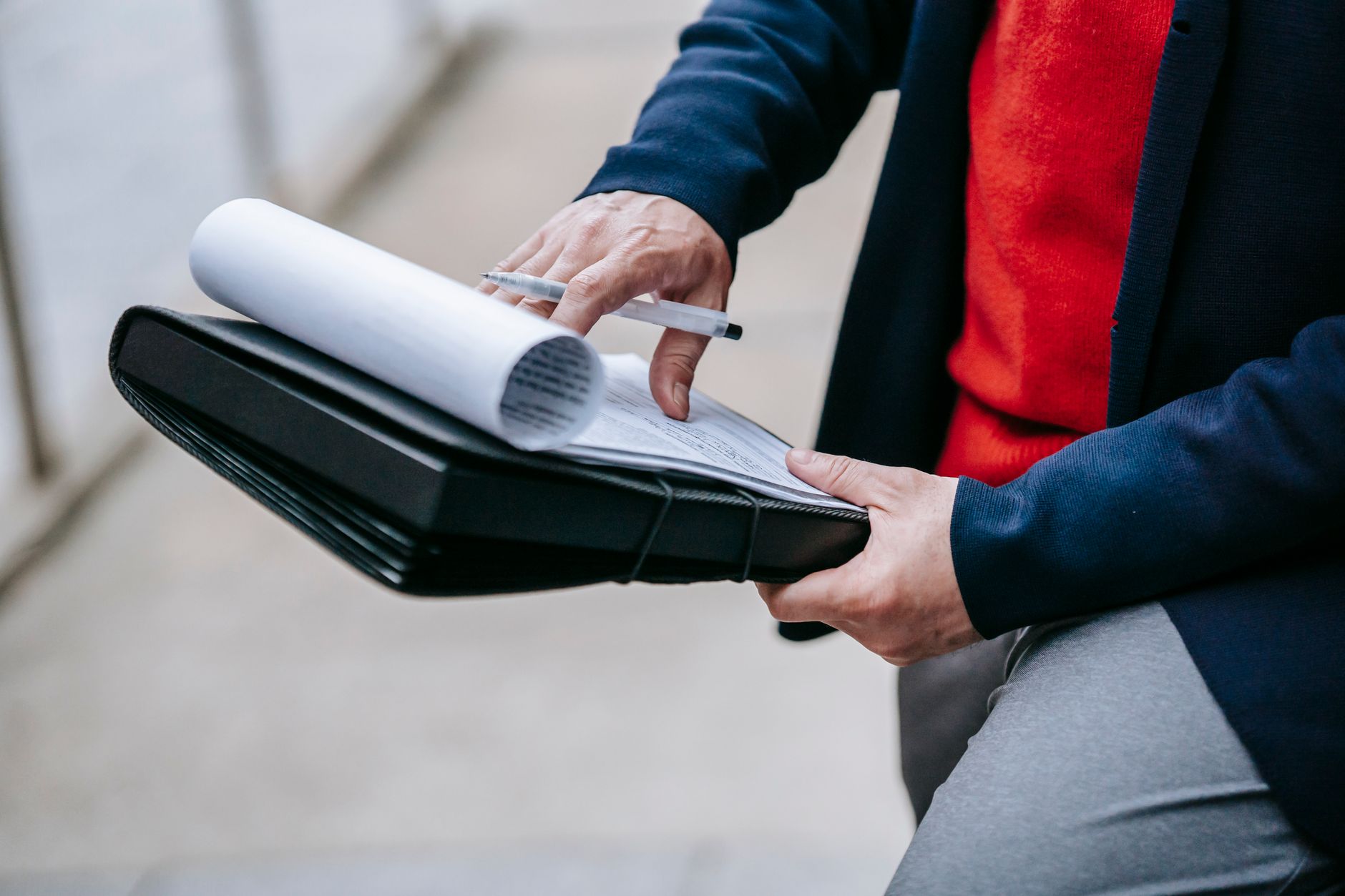
The repair order is everything. Every time you take the vehicle in, get a written repair order that lists the date, the mileage, the specific complaint you described, and what the dealer actually did. Keep every copy. If you called the dealer first to schedule a repair, note that date too, because California counts your first attempt to get a problem fixed, not just when the technician actually touched the car.
You'll also want to keep any written communications with the dealership or manufacturer - emails, letters, even text messages. If you called a manufacturer's customer service line, write down the date, the representative's name if you got one, and what was said. This kind of paper trail can make or break a claim if the manufacturer disputes the repair history.
The Manufacturer Must Offer a Remedy First
Before you can pursue a formal lemon law claim, you generally have to give the manufacturer a reasonable opportunity to fix the problem. Most manufacturers also have their own informal dispute-resolution programs - and under California law, if that program is certified by the state, you may be required to go through it before filing a civil lawsuit. Check whether the manufacturer's arbitration program is state-certified; if it is, that step isn't optional.
If the manufacturer's program finds in your favor, the remedy is typically a replacement vehicle of comparable value or a refund of what you paid, minus a deduction for the miles you drove the car before the first repair attempt. That mileage offset is calculated using a specific formula under the Song-Beverly Act - the California Department of Consumer Affairs can explain how it's applied, and it's worth understanding before you accept any offer, because manufacturers sometimes calculate it more aggressively than the law allows.
See also: Can Your California HOA Really Restrict Solar Panels? Here's What the Law Actually Says · Your California Go-Bag Checklist: What Emergency Officials Actually Recommend You Pack
How to File a Complaint or Escalate the Claim
If the manufacturer refuses to offer a remedy, or if their arbitration program rules against you and you believe that decision was wrong, you can pursue the matter through the California Department of Consumer Affairs' Arbitration Certification Program or file a civil lawsuit in California Superior Court. One significant feature of the Song-Beverly Act is that if you win in court, the manufacturer is required to pay your attorney's fees. That provision is why many consumer attorneys in California take lemon law cases on contingency - meaning you typically don't pay out of pocket unless you win.
To file a complaint or get information on the arbitration process, the California Department of Consumer Affairs handles Song-Beverly Act enforcement. You can also contact the California Attorney General's office if you believe a manufacturer is engaging in a broader pattern of violations. Keep in mind that there are statutes of limitations on these claims - as of 2026, you generally have four years from when you first knew or should have known about the defect to file a civil lawsuit, but that window can be complicated by repair timelines and when the warranty period ends, so getting legal advice specific to your situation is worth doing sooner rather than later.
A Note on Federal Law
Federal law also provides some protection here. The Magnuson-Moss Warranty Act covers written warranties on consumer products sold in the United States, and it can sometimes provide an additional basis for a claim alongside California's state law. In practice, most California consumers rely on Song-Beverly because it's stronger, but if a federal claim gives you additional leverage or access to federal court, a consumer attorney can walk through whether that applies to your situation.
This is general information, not legal advice. California's lemon law involves specific procedures and deadlines that vary by vehicle and by situation. Verify current rules, the arbitration certification process, and your rights under the Song-Beverly Consumer Warranty Act with the California Department of Consumer Affairs at dca.ca.gov, or consult a licensed California consumer protection attorney.