
Your Car Got Towed in California: How to Get It Back, What It'll Cost, and When You Can Fight It
How do I find my towed car in California?
Call the non-emergency line of the local police or sheriff's department that covers the area where your car was taken. Under California law, towing companies must notify law enforcement within 30 minutes to one hour of a tow, and agencies are required to log impounded vehicles in an accessible system. Local dispatch can tell you which tow yard has it.
Can I get my car out of impound immediately in California?
It depends on why it was towed. For most tows - street-cleaning, private property, expired registration - you can retrieve the car as soon as you pay the fees. But if the vehicle was impounded because the driver was arrested for DUI or driving on a suspended license, California law allows a mandatory 30-day hold, though hardship-release procedures may apply.
How do I fight an unjustified tow in California?
Under California Vehicle Code Section 22852, if your car was towed from a public street, you can request a post-storage hearing from the agency that authorized the tow. This hearing generally takes place before you are required to pay. If the tow is found unjustified, the agency must cover the towing and storage costs. Contact the impounding agency directly to request this hearing and confirm the current request deadline.
How much does it cost to get a towed car back in California?
Towing and storage fees vary by city, county, and tow company, as California allows local jurisdictions to set their own rate schedules rather than using one statewide cap. Daily storage fees can range from roughly $75 to $100 or more in some areas, and they accumulate quickly. Always ask for an itemized bill and verify the applicable local rate schedule with your city or county consumer affairs office.
What can I do if I can't afford to get my towed car out in California?
California law requires tow companies that accept any payment besides cash to also accept major credit cards. If a mandatory hold applies and you're facing financial hardship, contact the impounding agency directly in writing to ask about hardship-release procedures, which vary by jurisdiction. Free legal aid may also be available through the California Courts self-help center at selfhelp.courts.ca.gov.
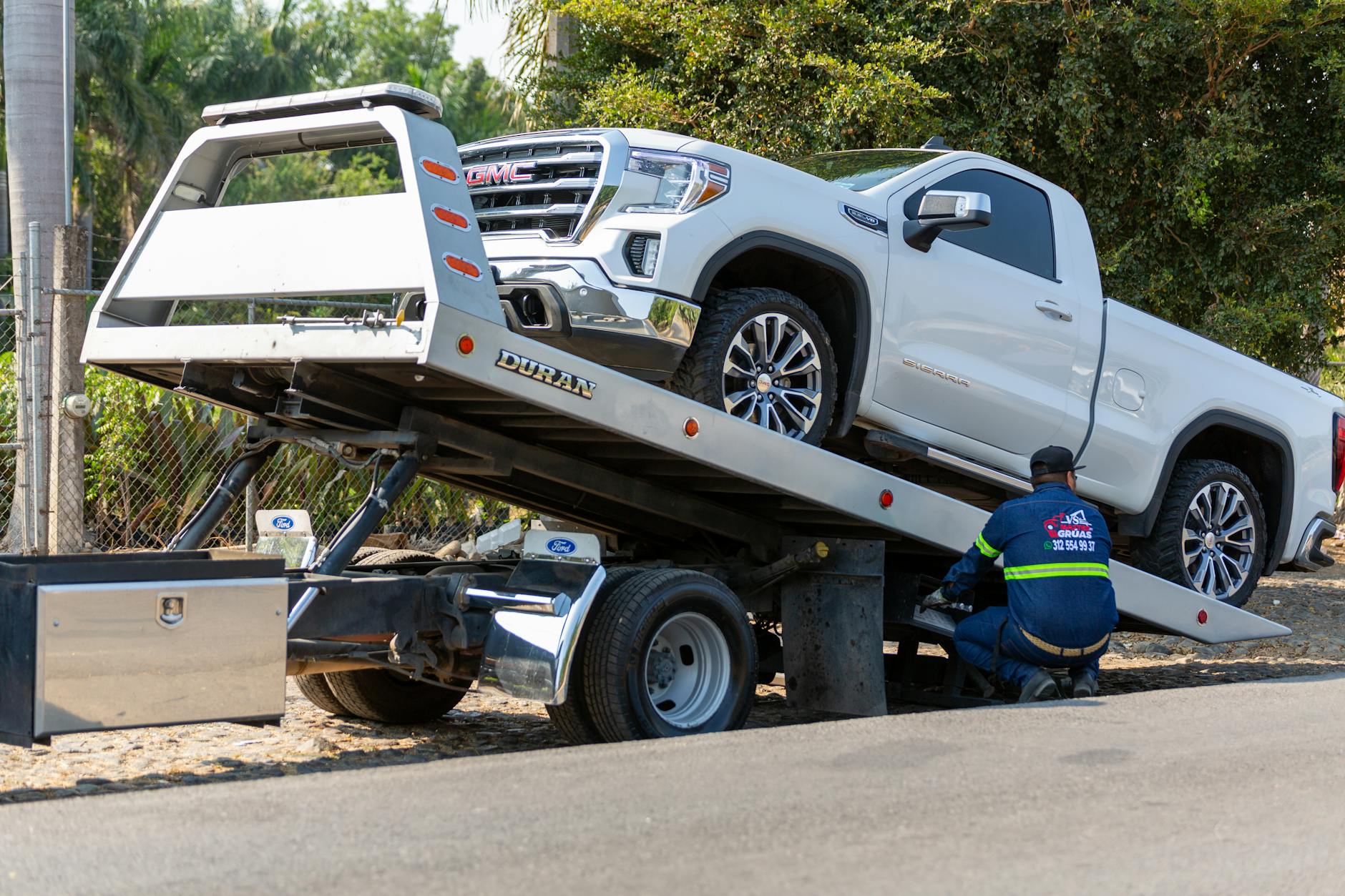
Few things derail a day faster than walking back to where you parked your car and finding empty asphalt. Whether it was towed for street-cleaning, impounded after a traffic stop, or pulled from private property, the clock starts ticking the moment it leaves - storage fees accumulate daily, and in California, some impounds come with a mandatory hold period that not even paying up front will get you around. Here's what to do.
Related: How California's Eviction Process Actually Works - and What Tenants Can Do to Fight Back · California Earthquake Preparedness: What to Put in Your Go-Bag and What to Do When the Ground Starts Shaking


Find Out Where Your Car Actually Is
California law requires the towing company to notify local law enforcement within 30 minutes of completing a tow, and law enforcement agencies are required to log the vehicle in a publicly accessible database. If your car was taken from a public street or after a traffic stop, call the non-emergency line of the police or sheriff's department that covers that area - they can tell you which tow yard has it and under what authority it was impounded. The California Highway Patrol also maintains a statewide Stolen Vehicle System that includes towed and impounded vehicles; local dispatch can cross-check it for you.
If the tow was from private property - a parking lot, apartment complex, or similar - the property owner or tow company is required under California Vehicle Code Section 22658 to notify local law enforcement within one hour of the tow. The same non-emergency police line should have a record. If you can't locate the vehicle through law enforcement, the tow company is also required to post signage at the removal site with their contact information.
Understand Whether There's a Mandatory Hold
This is the part that catches people off guard. If your vehicle was impounded because the driver was arrested for driving under the influence or driving on a suspended or revoked license, California law allows law enforcement to place a mandatory 30-day impound hold on the vehicle. During that hold, you generally cannot retrieve the car even if you're the registered owner and had nothing to do with the stop - though there are hardship-release procedures that vary by jurisdiction. If someone else was driving your car and got arrested, contact the impounding agency directly and ask whether a hardship release applies in your case.
For standard tows - street-cleaning violations, expired registration, blocking a fire hydrant, private-property removals - there is no mandatory hold, and you can retrieve the car as soon as you pay what's owed.
What You'll Need to Get the Car Released
Show up to the tow yard with a government-issued photo ID, proof that you're the registered owner or a notarized release from the registered owner if you're not, and proof of current insurance. If the tow was connected to a traffic citation, the yard may require you to show a copy of that citation or a release from the citing agency - call ahead before making the trip so you're not turned away at the window.
On fees: towing and storage charges in California vary by city, county, and tow company, and many jurisdictions set their own rate schedules rather than using a statewide cap. Daily storage fees can reach $75 to $100 or more in some markets, though you should verify the current applicable rate with the specific tow company and your local city or county consumer affairs office, as rates change and are set locally. Get an itemized receipt showing every charge before you sign anything.
How to Contest the Tow or the Fees
If the tow was from a public street and you believe it was unjustified, you can contest it. California Vehicle Code Section 22852 requires the agency that authorized the tow to provide you, upon request, with a post-storage hearing - typically within 10 days of the request, though you should confirm the current timeline with the agency that impounded the vehicle. You do not have to pay first; this is a before-payment administrative hearing. If you lose the hearing and the tow was found lawful, you'll owe the fees; if the agency finds the tow improper, it's required to pay the costs of towing and storage.
See also: How to Fight an HOA Fine in California: What the Davis-Stirling Act Requires Before You Pay a Penny · California ShakeAlert: What the Earthquake Warning on Your Phone Means and What to Do
For private-property tows, the dispute process is different. Under Vehicle Code Section 22658, if a tow company charges more than the maximum rate set by the local authority having jurisdiction, or if the tow didn't meet statutory requirements (improper signage, failure to notify police within the required window, etc.), you can dispute the charges. The California Department of Consumer Affairs and local police agencies handle complaints against tow operators - and for fee disputes that don't get resolved administratively, small-claims court is a realistic option if the amount at issue is within California's current small-claims limit.
If the tow was from a public street and your car sat in the yard a long time and accumulated storage fees because you weren't notified promptly, that's also a valid basis to challenge the storage portion of the bill at a post-storage hearing.
If You Can't Afford to Get It Out
Fees compound quickly, and for lower-income Californians this can become a genuine crisis - a $200 tow can become a $900 problem in 10 days. California law does require tow companies to accept major credit cards if they accept any form of payment other than cash, so you're not required to show up with cash only. If a 30-day impound hold applies and you're facing financial hardship, contact the impounding agency in writing and ask about hardship release procedures specific to that jurisdiction - some counties have formal programs, others handle it case by case. Legal aid organizations that handle consumer matters can sometimes help negotiate with agencies or tow companies when fees have become unmanageable; find your local legal aid office through the California Courts self-help center at selfhelp.courts.ca.gov.
This is general information, not legal advice. Towing rules, fee schedules, and hearing timelines vary by jurisdiction and can change; verify current requirements with your local law enforcement agency, the tow company, and the California Department of Motor Vehicles at dmv.ca.gov or the California Department of Consumer Affairs at dca.ca.gov.