
How California's Lemon Law Works - and What to Do If Your Car Qualifies
Does California lemon law apply to used cars?
California's Song-Beverly Consumer Warranty Act can apply to used cars purchased from a dealer if the vehicle is still covered by the original manufacturer's warranty at the time of sale. Vehicles sold "as-is" without any remaining manufacturer warranty generally do not qualify for the same core protections, though implied warranty rules may still apply in some dealer sales.
How many repair attempts before a car is a lemon in California?
California law creates a presumption that a vehicle is a lemon if the same defect has been subject to four or more repair attempts without being fixed, or if the car has been out of service for 30 or more cumulative days under warranty. You can still pursue a claim below those thresholds if the manufacturer has had a reasonable opportunity to repair a serious defect and failed.
Can I get a full refund under California lemon law?
If a California court or arbitrator finds your vehicle qualifies as a lemon, the manufacturer must offer either a comparable replacement vehicle or a refund of what you paid, including your down payment, monthly payments, and related costs such as registration fees and towing. The manufacturer is permitted to deduct a usage fee calculated from the miles you drove before the defect first appeared.
Do I need a lawyer for a California lemon law claim?
You don't legally need an attorney to file a California lemon law claim, but it's often practical to have one. California's Song-Beverly Act requires the manufacturer to pay your attorney's fees if you win, which means consumer attorneys frequently take these cases on contingency with no upfront cost to the vehicle owner. Many offer free initial consultations to evaluate whether a case qualifies.
How long do I have to file a lemon law claim in California?
California lemon law claims are generally subject to a four-year statute of limitations, running from when you knew or reasonably should have known the vehicle qualified as a lemon. The exact timeline can depend on the specific circumstances of your case. If you suspect your car may qualify, consult a licensed California attorney promptly rather than assuming you have unlimited time to act.

Buying a new car and discovering it has a serious, unfixable defect is one of the more dispiriting consumer experiences California drivers face. The good news is that California has some of the strongest lemon law protections in the country, and the state's Song-Beverly Consumer Warranty Act gives buyers real leverage - including the right to a replacement vehicle or a full refund - if an automaker can't fix a covered defect after a reasonable number of attempts.
Related: What California's Lemon Law Actually Covers - and How to Use It If Your Car Qualifies · How California's State Disability Insurance Works: Who Qualifies, What It Pays, and How to File
What the Law Actually Covers

California's Song-Beverly Consumer Warranty Act applies to new vehicles purchased or leased in California that come with a manufacturer's written warranty. It also extends, more broadly than many drivers realize, to used vehicles that are still under the original manufacturer's warranty at the time of purchase. The defect has to substantially impair the vehicle's use, value, or safety - a persistent brake problem or an engine that keeps overheating qualifies; a rattling cup holder probably doesn't. Dealer-sold used cars sold "as-is," without any remaining manufacturer warranty, generally fall outside Song-Beverly's core protections, though California's implied warranty rules under the same law offer some additional coverage for those purchases from dealers.


The law covers cars, pickup trucks, vans, and SUVs used primarily for personal, family, or household purposes. Vehicles used primarily for business are subject to different rules under the same statute, so if you drive a company-registered vehicle, the analysis changes.
The "Reasonable Number of Attempts" Standard
There's no single magic number of repair attempts that automatically triggers lemon law status - but the law does establish some guideposts. Under Song-Beverly, a rebuttable presumption that the vehicle is a lemon applies if the same problem has been subject to repair four or more times without being fixed, or if the vehicle has been out of service for a total of 30 or more cumulative days while under warranty. That presumption makes it significantly easier to pursue a claim, though it isn't required - you can still make a claim even if you haven't hit those specific numbers if the circumstances otherwise show the manufacturer has had a reasonable opportunity to fix a serious defect.
The 30-day clock doesn't have to run consecutively. Days accumulate across separate repair visits for the same or related issues. Keep your repair orders from every service visit - the date in, the date out, the mileage, and the written description of the complaint are all important documentation.
What You Can Get: Replacement or Refund
If your vehicle qualifies, the manufacturer owes you either a comparable replacement vehicle or a full refund of what you paid - including your down payment, monthly payments made, registration fees, and incidental costs like towing and rental car expenses during repairs. The manufacturer is allowed to deduct a "usage fee" for the miles you drove the vehicle before the defect first showed up or before you first brought it in for the problem. That calculation is based on a statutory formula tied to the vehicle's purchase price and the total expected mileage life of the vehicle, as set by the California Civil Code. Check with an attorney or the California Department of Consumer Affairs for how that formula applies to your specific situation.
California's lemon law also has a fee-shifting provision: if you win, the manufacturer pays your attorney's fees and costs. That's meaningful because it makes it financially viable for consumer attorneys to take these cases, often on contingency, which means you may not need to pay out of pocket to pursue a valid claim.
How to Start a Claim
Before filing anything officially, send a written notification to the manufacturer - not just the dealer - stating the defect, the number of repair attempts, and that you're requesting a repurchase or replacement under Song-Beverly. Send it by certified mail to the manufacturer's customer relations department; the address is usually in your owner's manual or on the manufacturer's website. This creates a dated paper record that the manufacturer received notice.
Many manufacturers have informal dispute resolution programs, and California law requires you to go through one if it meets certain federal standards and the manufacturer asks you to - but you're not obligated to accept an unfavorable outcome from that process. If the manufacturer's program doesn't resolve the dispute, your options are to file a complaint with the California Department of Consumer Affairs' Arbitration Certification Program, pursue private arbitration if your purchase contract requires it, or file a lawsuit in California Superior Court. Given the legal complexity and the fee-shifting provision, consulting a consumer protection attorney before choosing a path is worth the time - many offer free initial consultations for lemon law matters.
See also: How California's Prop 13 Property Tax Cap Works - and What Prop 19 Changed for Inherited Homes · How California's Eviction Process Actually Works - and What Tenants Can Do to Fight Back
The California Department of Consumer Affairs' Arbitration Certification Program certifies third-party arbitration programs for lemon law disputes and can be a lower-cost alternative to litigation. Information about certified programs is available through the department's website at dca.ca.gov.
Keep Your Documentation From Day One
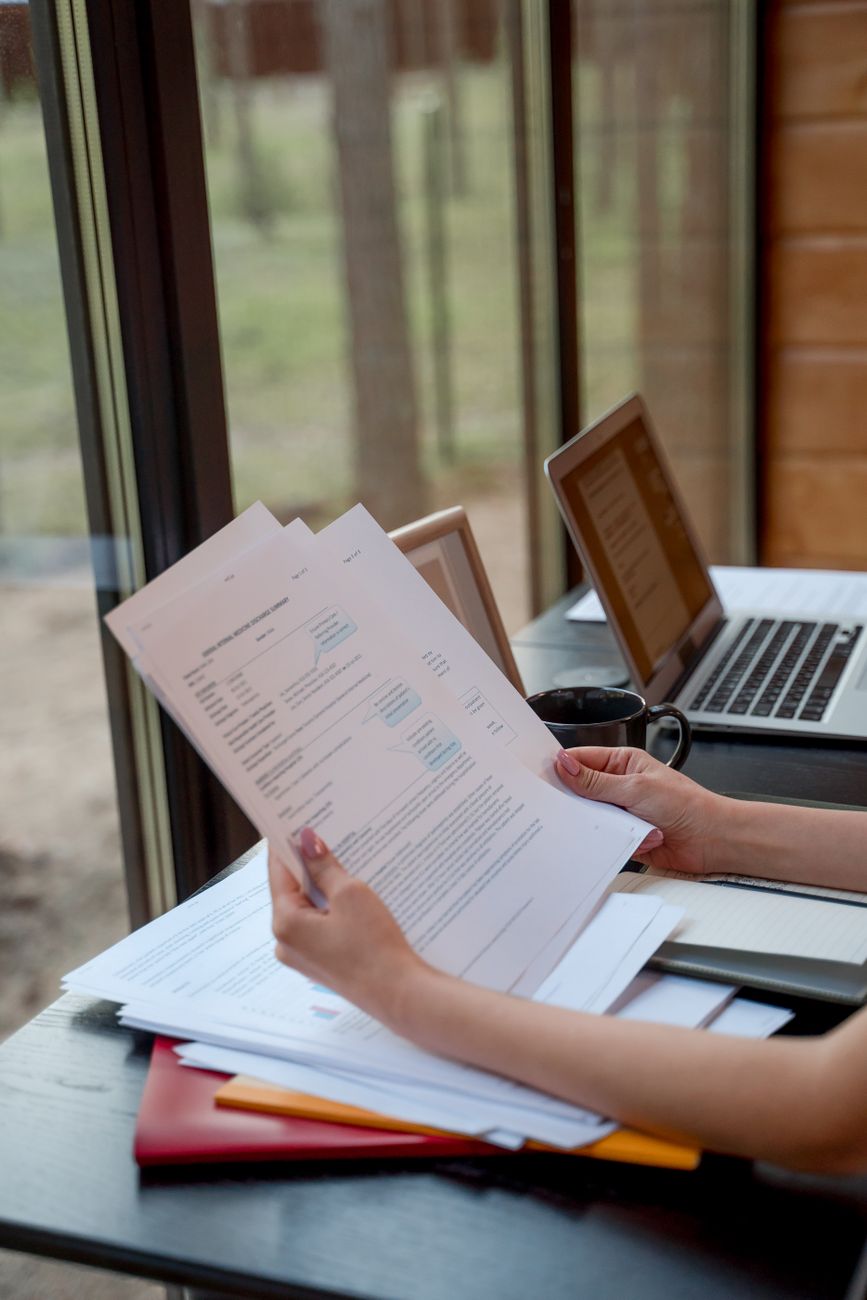
The strength of a lemon law claim almost always comes down to paperwork. Save every repair order in the order it was issued. Write down - or better yet, email the service advisor - a clear, specific description of the problem before each visit so the repair order reflects your complaint accurately. Keep records of any communications with the manufacturer's customer service line, including dates, times, and the names of any representatives you spoke with. If you're approaching the 30-day-out-of-service threshold, track the days in a simple log and note when each repair visit began and ended.
California's lemon law also has a statute of limitations. Claims generally need to be brought within four years of when you knew or should have known the vehicle was a lemon, but that timeframe can shift depending on circumstances. Don't sit on a problem indefinitely assuming you have time - if you suspect your car qualifies, get legal advice sooner rather than later.
This is general information, not legal advice. California's lemon law involves specific statutory rules, deadlines, and procedural requirements that vary by situation. Verify current rules and eligibility with the California Department of Consumer Affairs at dca.ca.gov or consult a licensed California attorney.