
How California's State Disability Insurance Works: Who Qualifies, What It Pays, and How to File
How much does California State Disability Insurance pay in 2026?
California SDI replaces a portion of your wages based on your earnings during a base period, with lower-wage workers receiving a higher replacement rate - up to around 90 percent - and higher earners receiving a lower percentage up to a maximum weekly amount set annually by the EDD. Check edd.ca.gov for the current maximum weekly benefit, as this figure changes each year.
Who qualifies for California SDI benefits?
Most private-sector employees in California automatically qualify for SDI because contributions are withheld from their paychecks. To receive benefits, you must be unable to perform your regular work for at least eight consecutive days due to a non-work-related illness, injury, or pregnancy, have earned enough wages during your base period, and have a licensed medical provider certify your disability.
How do I file a California SDI claim?
You can file a California SDI claim online through the EDD's SDI Online portal at edd.ca.gov using a myEDD account, which is the fastest method. You'll need your Social Security number, employer information, and your disability start date. Your medical provider must also submit a certification separately. File within 49 days of your disability start date to avoid losing benefits.
Does California SDI cover pregnancy?
Yes. California SDI covers pregnancy-related disability, typically starting around four weeks before the expected delivery date and continuing for six weeks after a vaginal birth or eight weeks after a cesarean section. This covers the medical recovery period only. A separate EDD program, Paid Family Leave, covers additional bonding time with the newborn after the SDI disability period ends.
Why is my California SDI claim delayed?
The most common reason for an SDI delay is a missing or incomplete medical certification from your doctor or other licensed provider. Other causes include a mismatch between the disability dates you reported and those your provider certified, or errors in your personal information on the claim form. Log in to SDI Online to check whether your provider has submitted their portion, and respond promptly to any EDD notices requesting additional information.
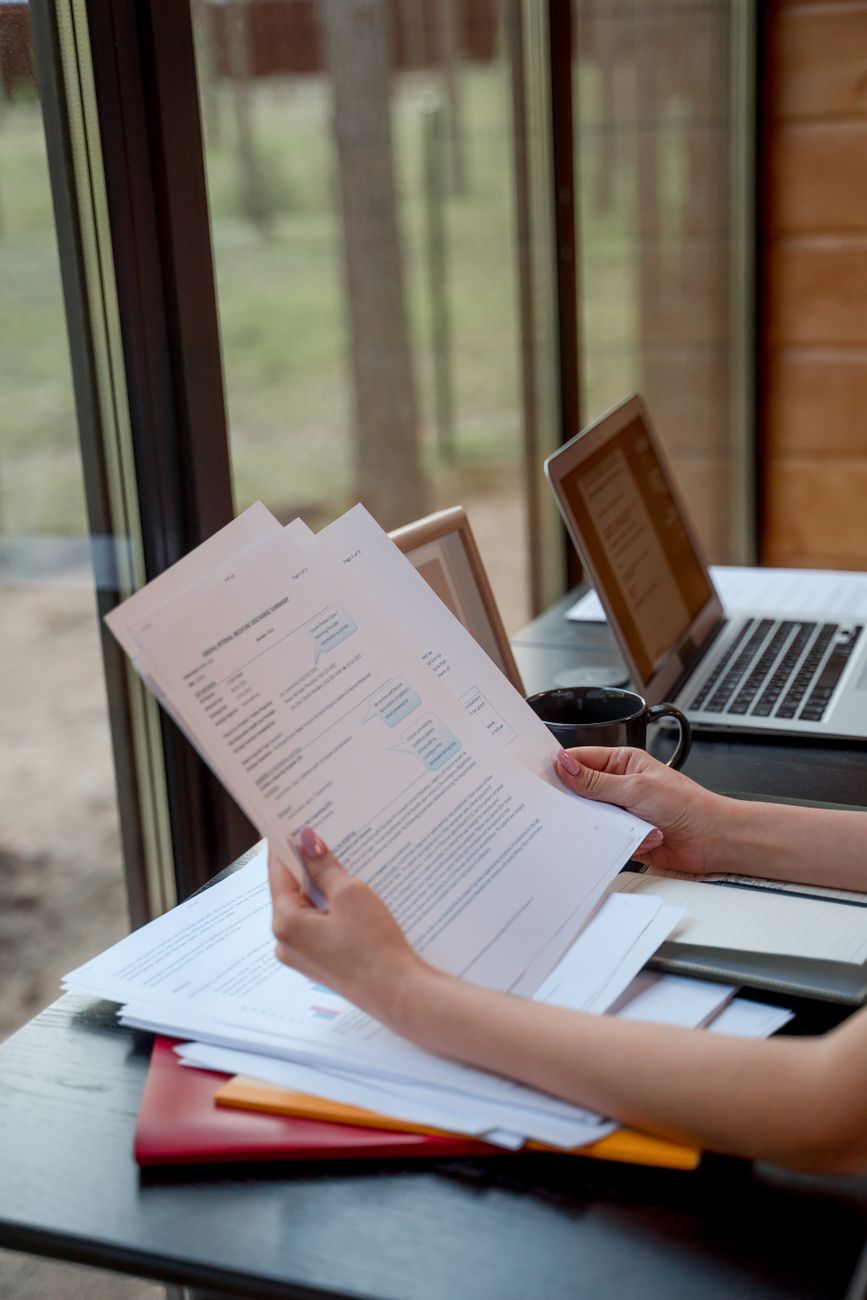
If you're out of work because of a pregnancy, surgery, illness, or injury unrelated to your job, California's State Disability Insurance program may replace a meaningful portion of your paycheck while you recover. SDI is one of the more generous short-term disability programs in the country, and most California workers are automatically enrolled through payroll deductions - but plenty of people don't realize they have it, or don't know how to use it when they need it.
Related: How to File for California State Disability Insurance: What EDD Pays and How to Claim It · How to File a California State Disability Insurance Claim Through EDD



Who Is Covered by SDI

Most private-sector workers in California have SDI deductions automatically withheld from their paychecks, which means they're already covered. State employees, some county and local government workers, and employees of certain nonprofits may not be covered under the standard program, though some of those employers have voluntary plans that provide equivalent benefits. Self-employed and independent workers can opt into SDI coverage through a separate EDD program called Elective Coverage, though they must sign up and pay contributions themselves.
To be eligible for benefits, you generally need to have earned wages during a specific base period - the 12-month period before your claim, roughly speaking - and your wages during that period need to meet a minimum threshold the EDD sets. You also need to be unable to do your regular or customary work for at least eight consecutive days due to your medical condition. A licensed medical professional must certify your disability, and that certification is required before the EDD will process your claim.
How Much SDI Pays
California SDI replaces a percentage of your wages, not the full amount. As of 2026, state law has moved to a structure where lower-wage workers receive a higher wage-replacement rate - closer to 90 percent of their usual weekly earnings - while higher earners receive a lower percentage, subject to a maximum weekly benefit amount set by the EDD each year. You should check edd.ca.gov for the current maximum weekly benefit and confirm how your specific wage history affects your benefit calculation, because these figures adjust annually.
SDI benefits are generally not subject to California state income tax, but they may have federal tax implications depending on your situation. Benefits are typically paid for the duration of your disability, up to 52 weeks, though most claims are far shorter. There is a seven-day unpaid waiting period at the start of a claim - you won't receive benefits for those first seven days of your disability, so plan accordingly if you're budgeting around an expected surgery or leave period.
How to File an SDI Claim
The EDD processes SDI claims through its online portal, called SDI Online, which is the fastest and most practical way to apply. You'll need a myEDD account to use it - if you don't have one, you can create one during the filing process. Paper claim forms are also available if you can't file online, though processing times tend to be longer.
Before you start your claim, ask your doctor, nurse practitioner, or other licensed provider whether they'll submit the medical certification electronically through SDI Online. Many providers do this routinely now. If your provider isn't registered with EDD's system, they'll need to submit a paper certification form, which can slow things down. Either way, your provider's certification is not optional - the EDD won't pay benefits without it. File your claim within 49 days of the date your disability began; claims filed late can result in a loss of benefits for the days outside that window.
See also: California's "Red Flag" Law: How to File a Gun Violence Restraining Order and What Happens Next · What California's Lemon Law Actually Covers - and How to Use It If Your Car Qualifies
You'll be asked to provide your Social Security number, employer information, your last day of work, and the start date of your disability. The EDD will then mail you a notice about your claim status. If approved, benefits are typically paid by direct deposit or debit card.
Pregnancy and SDI
Pregnancy-related disability is one of the most common reasons Californians use SDI, and it works a bit differently than a standard illness claim. In practice, a licensed provider certifies that you're disabled due to pregnancy for a period before delivery - typically four weeks, though it can be longer in complicated pregnancies - and then for the recovery period after delivery, which is generally six weeks for a vaginal birth and eight weeks for a cesarean. This is separate from Paid Family Leave, which covers bonding time after the baby is born and is a different EDD program with its own claim process. The SDI disability claim covers the medical recovery; PFL covers the bonding period after that.
Common Reasons SDI Claims Get Delayed
The most frequent reason an SDI claim stalls is that the EDD is waiting on the medical certification from your provider. If you filed your claim and haven't heard back within a couple of weeks, check whether your provider submitted their portion. A mismatch between your reported disability start date and the dates your doctor certifies is another common snag - make sure those line up before filing. Missing or incomplete information on your own portion of the claim, such as an incorrect employer address or a wrong Social Security number, can also trigger delays. If the EDD sends you a notice asking for additional information, respond promptly and through the method they specify, whether that's SDI Online or a mailed form. Delays that aren't resolved can escalate to a denial, at which point you'd need to file a formal appeal.
This is general information, not legal, financial, or medical advice. Eligibility rules, benefit rates, and filing requirements can change, and your specific situation may affect what you receive. Always verify current requirements, weekly benefit amounts, and filing deadlines with the California Employment Development Department directly at edd.ca.gov.