
How to File a California State Disability Insurance Claim Through EDD
How long does it take to receive SDI payments after filing in California?
After EDD receives both your completed claim and your medical provider's certification, processing typically takes a few weeks, though times vary. There is also a mandatory seven-day waiting period before your first payment is issued. You can check your claim status through EDD's SDI Online portal at edd.ca.gov/disability for real-time updates on your specific claim.
What is the SDI benefit amount in California in 2026?
California SDI pays 70 to 90 percent of your wages depending on your earnings during your base period, with lower-wage workers receiving the higher rate. As of recent changes, there is no fixed maximum cap under the current formula. Your actual weekly benefit depends on your specific earnings history. Use EDD's SDI benefit calculator at edd.ca.gov/disability to estimate your amount before filing.
Can self-employed workers in California get SDI benefits?
Self-employed workers and independent contractors in California are not automatically covered by SDI, but they can opt in through EDD's Elective Coverage program. Enrollment must happen before a disability occurs. Workers enrolled in Elective Coverage pay their own SDI contributions and then become eligible to file claims. Check current enrollment rules and deadlines at edd.ca.gov/disability.
What happens if my doctor doesn't submit the SDI medical certification on time?
If your licensed medical provider does not return the completed medical certification to EDD within 49 days of your disability start date, EDD will typically deny your SDI claim. Contact your provider's office immediately after filing to ensure they submit it promptly. If the deadline is missed, you may be able to file a late certification with a good-cause explanation, but EDD determines whether to accept it.
Does California SDI cover pregnancy?
Yes. California SDI covers pregnancy-related disability, including time off before a due date if a licensed medical provider certifies that the pregnancy prevents you from performing your regular or customary work. After delivery, SDI may continue to cover the recovery period. Once you're medically recovered, you may then separately qualify for California Paid Family Leave benefits to bond with your newborn through EDD.

If you're unable to work because of a non-work-related illness, injury, or pregnancy, California's State Disability Insurance program can replace a significant portion of your wages while you're out. SDI is one of the most generous short-term disability programs in the country, but the filing process has specific requirements that trip people up, and a missed step early on can delay your first payment by weeks.
Related: How to File for California State Disability Insurance: What EDD Pays and How to Claim It · How California's State Disability Insurance Works: Who Qualifies, What It Pays, and How to File
Who Qualifies for SDI
SDI is available to most California workers who have SDI deductions withheld from their paycheck, which is the case for the vast majority of private-sector and some public-sector employees in the state. Self-employed workers and independent contractors can opt into SDI coverage through a separate EDD program called Elective Coverage, though enrollment has to happen before a disability occurs, not after.

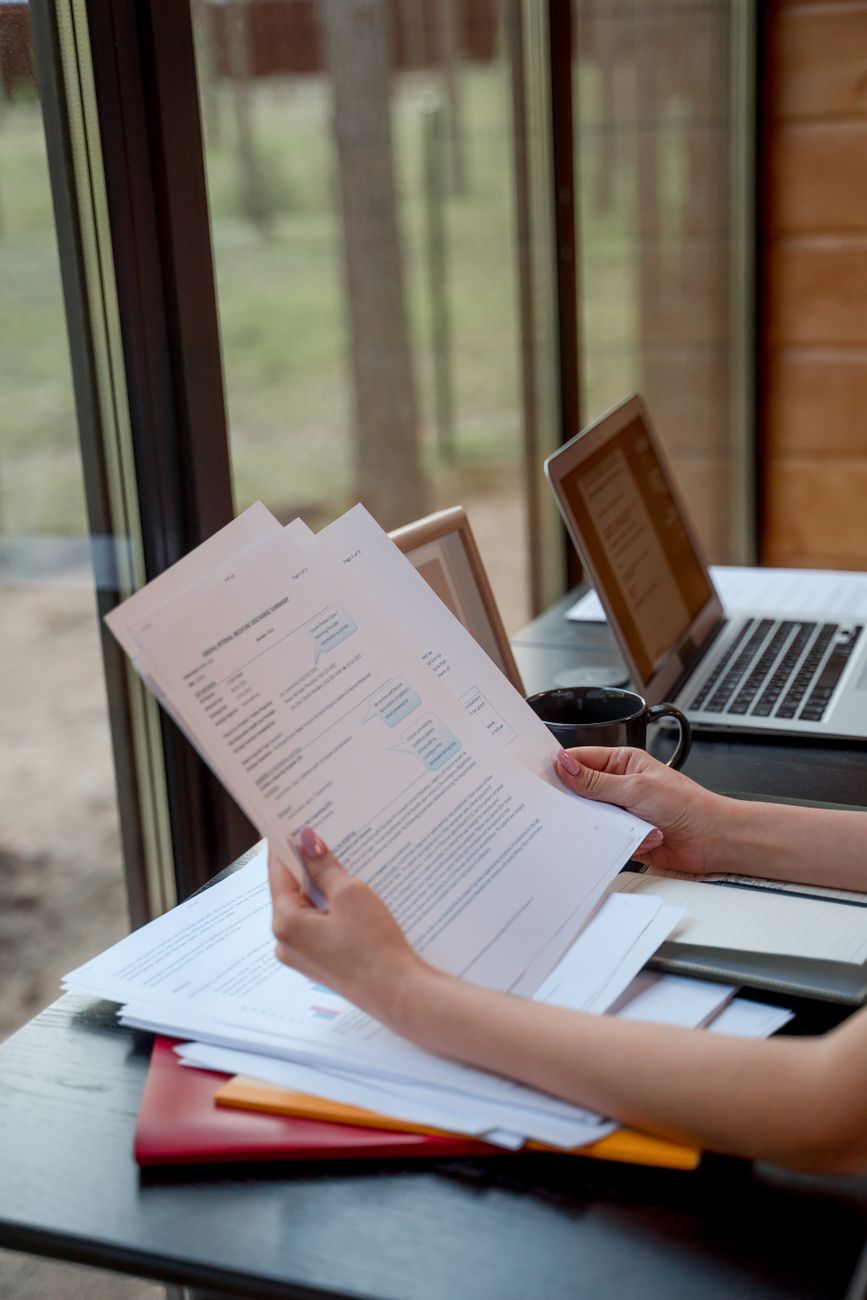
To be eligible, you generally need to have earned at least a minimum amount in wages during a specific base period before your claim, to be experiencing a wage loss due to your medical condition, and to have a licensed medical professional certify that you're unable to perform your regular or customary work. The EDD sets exact wage thresholds and base period definitions, and these can be adjusted, so confirm current eligibility requirements at edd.ca.gov/disability before you file.
SDI covers physical illness, injury, surgery recovery, and pregnancy-related disability, including time off before a due date if a provider certifies it's medically necessary. It does not cover conditions caused by work-related injuries or illnesses, which fall under California's workers' compensation system instead.
How Much SDI Pays
As of 2026, SDI pays a percentage of your weekly wages based on your earnings during your base period. California moved to a 70 or 90 percent wage replacement formula in recent years, with lower-wage workers receiving the higher percentage, though the exact calculation depends on your specific earnings history. There is currently no statutory maximum benefit cap under the formula adopted for 2025 onward, meaning higher earners can receive higher dollar amounts than under the old fixed cap, but you should verify your estimated benefit using EDD's SDI calculator at edd.ca.gov/disability before counting on a specific figure.
SDI benefits are subject to a seven-day waiting period before the first payment is issued. You won't receive payment for that first week of disability. After that, SDI can pay for up to 52 weeks depending on the nature and duration of your condition, with your medical provider's ongoing certification required.
How to File Your Claim
The fastest way to file is online through EDD's SDI Online portal at edd.ca.gov/disability. You'll create an account if you don't already have one and complete the claimant portion of the application, which covers your personal information, employment history, last day worked, and the nature of your disability.
After you submit your portion, EDD sends a medical certification form to the licensed health care provider you name in your application. That provider must complete and return their section within 49 days of the date your disability began. This is where many claims stall: if your provider is slow to complete the form, or submits it after that window, your claim can be denied. It's worth contacting your provider's office as soon as you file to let them know to expect the request and to return it promptly.
You can also file by mail using a paper DE 2501 form. The form is available at EDD offices and can be downloaded from EDD's website. Paper claims generally take longer to process than online submissions.
See also: How to File a Health Insurance Complaint in California and Get Your Claim Reviewed · How to File a California Unemployment Insurance Claim With the EDD
File your claim no earlier than nine days after your disability starts and no later than 49 days after it begins. Filing outside that window, particularly filing late, is one of the most common reasons SDI claims are denied outright. If you miss the deadline, EDD may still accept a late claim in certain circumstances if you can show good cause, but that's not guaranteed.
What to Do If Your Claim Is Delayed or Denied
SDI claim delays are common and often stem from a few specific issues: the medical certification hasn't been received from your provider, EDD needs additional wage information from your employer, or there's a discrepancy in your identity or account information. If your claim is taking longer than the typical processing window, log into SDI Online to check your claim status and look for any pending items or notices EDD has sent requesting additional documentation.
If EDD denies your claim, you have the right to appeal. The denial notice will include information about the appeals process and the deadline to file an appeal, which is typically within 30 days of the denial notice date, though you should confirm the exact window on the notice itself. Appeals go to an administrative law judge through EDD's appeal process. EDD also has an informal reconsideration process in some cases. If your denial was specifically because your provider missed the certification deadline, contact EDD directly, as there may be an option to submit late certification with a good-cause explanation.
For questions about a pending claim, EDD's disability insurance phone line is listed at edd.ca.gov/disability. Wait times can be significant, and EDD's online portal often resolves common documentation issues faster than a phone call.
This is general information, not legal or financial advice. Eligibility rules, benefit calculations, filing deadlines, and program details can change. Always verify current requirements and your specific benefit amount with the California Employment Development Department at edd.ca.gov/disability.