
How California HOA Rules on Solar Panels Actually Work - and What Your HOA Can't Do
Can my California HOA legally ban solar panels?
No. Under California's Solar Rights Act, any HOA rule or CC&R provision that effectively prohibits a solar energy system is void and unenforceable by law. An HOA can impose reasonable conditions on how panels are installed, but it cannot make installation economically impractical or reduce the system's output by more than the statutory limit, currently set at 10 percent.
What can a California HOA require before approving a solar panel installation?
A California HOA can require homeowners to submit an application before installation, use a licensed contractor, follow specific mounting guidelines, and restore any disturbed common-area landscaping. It cannot require approval from neighboring owners, mandate that panels be invisible from the street, or impose conditions that would increase project costs beyond the Solar Rights Act's threshold, which you should verify at energy.ca.gov.
What do I do if my HOA denies my solar panel application in California?
First, request the HOA's internal dispute resolution process in writing, as required under the Davis-Stirling Common Interest Development Act. If that fails, California law requires both parties to attempt alternative dispute resolution, such as mediation, before filing suit. If you ultimately prevail in litigation, California's Solar Rights Act allows you to recover attorney fees from the HOA.
Do condo owners in California have solar panel rights under the Solar Rights Act?
Condo owners have more limited rights than single-family homeowners because they typically don't own their roof. California Civil Code section 4746 does give condo owners the right to install solar on their exclusive-use common area, such as a private balcony, subject to reasonable HOA conditions. Installing on a shared roof generally requires HOA board approval and possibly a separate legal agreement.
Where can I file a complaint about my HOA's solar panel restrictions in California?
California does not have a state agency that adjudicates HOA disputes directly, but the Department of Consumer Affairs operates an HOA information and dispute assistance office at hoa.dca.ca.gov. For legal disputes, the Davis-Stirling Act requires mediation before litigation. Your county Superior Court's self-help center can also help you understand your options at no cost.
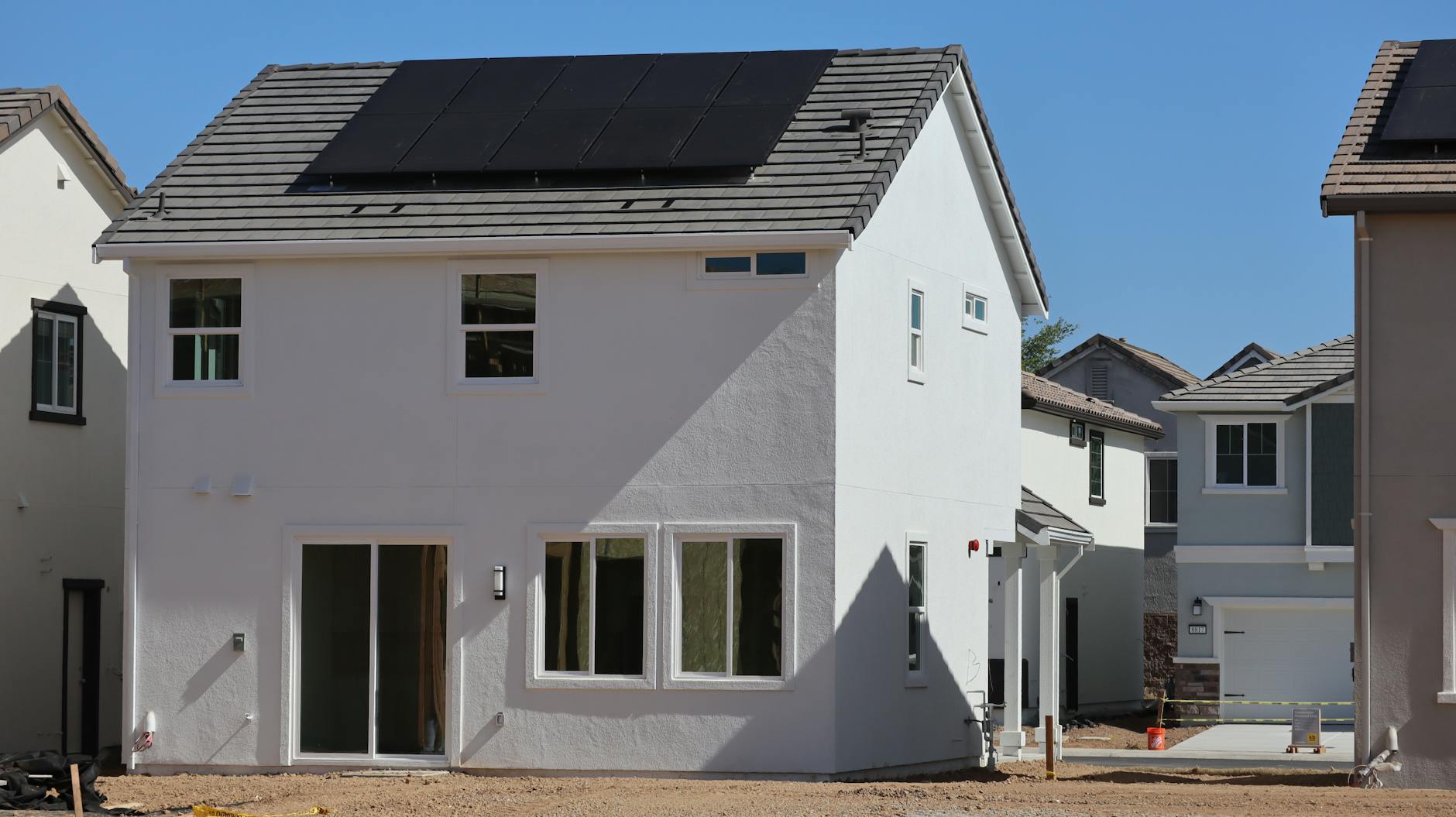
California has more rooftop solar installations than any other state, but HOA restrictions still trip up homeowners trying to go solar every year. If you've gotten pushback from your HOA after submitting a solar panel application, or you're trying to figure out what your association can legally require before you install, the rules are more owner-friendly than many HOAs let on.
Related: Can Your California HOA Ban Solar Panels or Drought-Tolerant Landscaping? What the Law Actually Says · Can Your California HOA Really Restrict Solar Panels? Here's What the Law Actually Says
What the Solar Rights Act Actually Says
California's Solar Rights Act, backed by Civil Code sections 714 and 714.1, makes any HOA provision that effectively prohibits a solar energy system void and unenforceable. The law has been on the books in various forms since 1978 and has been strengthened by the legislature multiple times since. The short version: your HOA cannot say no. It can say "not like that."

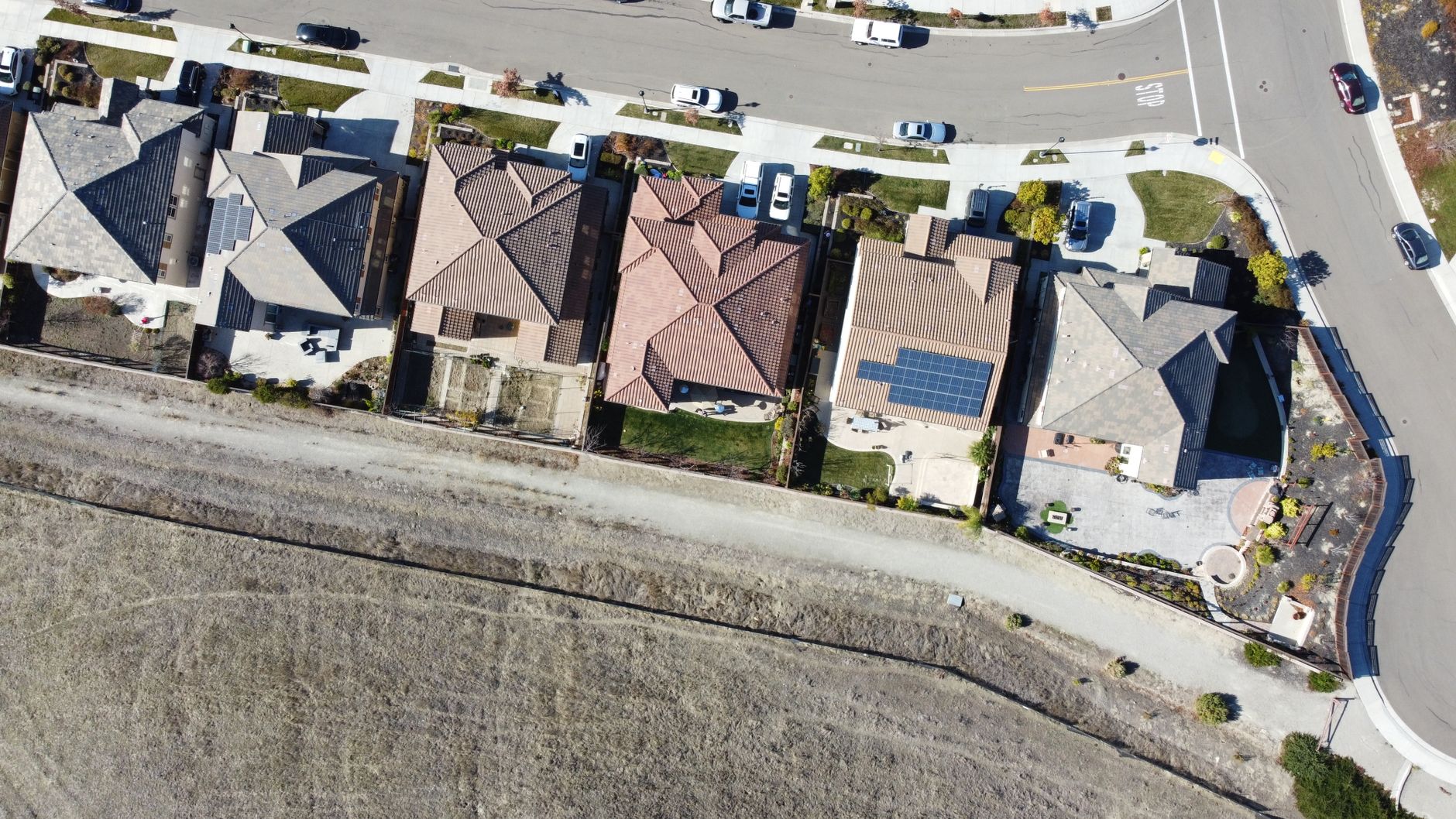

What that means in practice is that an HOA can impose "reasonable restrictions" on a solar installation, but only up to a point. A restriction is legally considered unreasonable if it increases the cost of the system by more than a certain threshold or decreases its efficiency beyond what the statute allows. As of 2026, the California Energy Commission and the Solar Rights Act set that ceiling at a cost increase of no more than $1,000 or a production decrease of more than 10 percent, though you should verify the current figures directly with the California Energy Commission at energy.ca.gov, since the legislature has amended these thresholds before.
The upshot is that an HOA can ask you to use a specific mounting style or a panel color that blends with your roof. It cannot require panels to be invisible from the street if meeting that requirement would make the system financially impractical or significantly less effective.
What Your HOA Is Actually Allowed to Require
Within those limits, HOAs do have real authority to regulate installation, and ignoring their process can create legal headaches even when you're in the right. Most associations require you to submit an application before installation begins, and some set a timeline for approving or denying it. Under California law, the HOA generally must act on a complete application within a reasonable period, and if it doesn't respond, the application may be considered approved by operation of law depending on the association's governing documents and applicable Civil Code provisions.
Legitimate HOA requirements can include things like: specifying that panels must be mounted flush to the roofline rather than at a steep angle on a flat-roof section visible from common areas, requiring a licensed contractor to pull the permit, or asking that you restore any common-area landscaping disturbed during installation. What they cannot require is prior approval from every neighboring unit owner, an outright ban on panels visible from any public street, or any condition that an independent solar contractor would say makes the project economically unworkable.
If your HOA's CC&Rs contain language that purports to ban solar panels outright, that language is unenforceable under state law regardless of when it was written. You don't need the HOA to amend its documents before you proceed, though it's wise to put your position in writing and get the HOA's response in writing too.
How to Push Back If Your HOA Denies or Conditions Your Application
Start with the Davis-Stirling Common Interest Development Act, which is the foundational California law governing HOAs. Under Davis-Stirling, your HOA is required to have an internal dispute resolution process, sometimes called "meet and confer," and you can request it in writing. This is a low-stakes first step that costs nothing and creates a paper trail. Send your request by certified mail so you have a delivery record.
If internal dispute resolution doesn't resolve things, California also requires HOAs to offer access to alternative dispute resolution, such as mediation, before either side can file a lawsuit over most Davis-Stirling disputes. This is a mandatory pre-litigation step under Civil Code section 5930. Skipping it can hurt your case procedurally even if you're legally right on the merits.
See also: What California HOAs Can and Can't Do About Your Solar Panels and Drought-Tolerant Landscaping · What California HOAs Can and Can't Say About Solar Panels and Drought-Tolerant Landscaping
If you ultimately have to litigate or go through arbitration, California law allows a prevailing homeowner in a Solar Rights Act case to recover attorney fees from the HOA. That fee-shifting provision matters because it gives HOAs a financial incentive not to dig in on legally indefensible positions. Mentioning it, politely and in writing, during the dispute process sometimes moves things along.
For free or low-cost guidance on the process, your county's Superior Court self-help center can point you toward civil resources. The California Department of Consumer Affairs, which oversees the Common Interest Development ombudsperson's office at hoa.dca.ca.gov, is another starting point for understanding your procedural rights under Davis-Stirling, though that office doesn't adjudicate disputes directly.
Condos and Common-Area Roofs: A Different Problem
If you own a condominium rather than a single-family home in a planned development, the situation gets more complicated. Most condo owners don't own their roof, the HOA or the association's common area does. Installing solar panels on a roof you don't own requires the HOA's cooperation in a way that a single-family homeowner's installation typically doesn't.
California has addressed this partially. Civil Code section 4746 gives condo owners the right to install solar panels on their "exclusive use common area," such as a private balcony or patio, subject to reasonable HOA restrictions. But if the roof itself is general common area, you'll likely need board approval and potentially a special agreement, not just a routine application approval. A real estate attorney familiar with Davis-Stirling can tell you what's achievable in your specific association's structure.
This is general information, not legal advice. For current Solar Rights Act thresholds and Davis-Stirling dispute procedures, verify directly with the California Department of Consumer Affairs' HOA information office at hoa.dca.ca.gov and the California Energy Commission at energy.ca.gov, as statutes and implementing rules can change.