
California Defensible Space Rules: What the Law Requires Around Your Home and How to Do It Right
September is deep into California's fire season, and for homeowners in wildfire-prone areas, defensible space isn't a landscaping preference - it's a legal requirement backed by state law and enforced through inspections. Getting it right matters on both counts: research consistently shows that the vegetation and materials in the immediate surroundings of a home are among the most significant factors in whether a structure survives when fire moves through a neighborhood.
Related: How to Create Defensible Space Around Your California Home - and Why Inspectors Are Watching · Your Landlord Just Sold the Building You Rent - Here's What California Law Actually Requires
Who the Law Actually Covers
Under California Public Resources Code Section 4291, any owner or occupant of a building in a State Responsibility Area must maintain 100 feet of defensible space around structures, or to the property line if that line falls within 100 feet. State Responsibility Areas - the rural and semi-rural lands where Cal Fire, not a local fire department, is the primary wildland firefighting agency - cover a substantial portion of California's footprint, including most of the Sierra Nevada foothills, coastal mountains, and inland valleys.


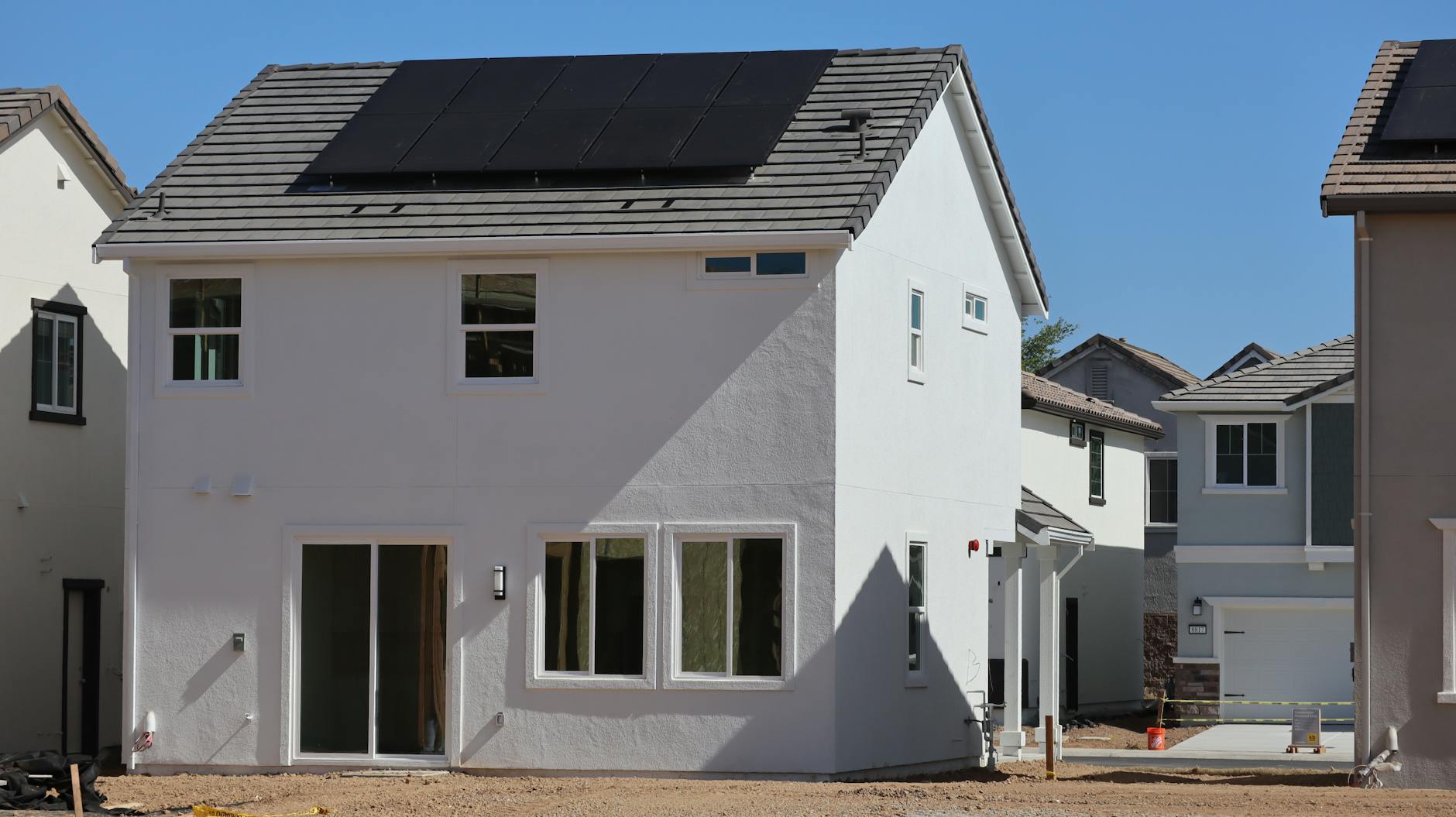
To check whether a specific parcel falls in a State Responsibility Area or a designated Very High Fire Hazard Severity Zone, Cal Fire maintains an online map tool at fire.ca.gov. Many local jurisdictions have also adopted their own defensible space ordinances for areas outside State Responsibility Areas, so homeowners in incorporated cities or suburban neighborhoods should verify requirements with their local fire department - those standards can be stricter than the state baseline, not looser.
See also: How California HOA Rules on Solar Panels Actually Work - and What Your HOA Can't Do · Your Wages Are Being Garnished in California: What to Do Right Now
The Three Zones and What Each Requires
Cal Fire's current defensible space guidance divides the 100-foot perimeter into three concentric zones, each with different vegetation management standards.
The innermost area, covering the immediate 0-to-5-foot perimeter around a structure, functions as an ember-resistant buffer. Cal Fire's current guidance calls for removing all dead and dry plants, combustible mulch, and accumulated wood debris from this zone. Gravel or other noncombustible ground cover is preferable to organic mulch directly against the foundation.