
California's "Red Flag" Law: How a Gun Violence Restraining Order Works and Who Can File One
Who can file a gun violence restraining order in California?
As of 2026, California law allows several categories of people to petition for a Gun Violence Restraining Order: immediate and certain extended family members, law enforcement officers, employers, coworkers who have had substantial recent contact with the person, school employees, and mental health professionals who have treated the respondent. Specific eligibility is defined by the California Penal Code, so confirm current requirements with the CA DOJ at oag.ca.gov/firearms.
How long does a California gun violence restraining order last?
California issues three types of GVROs with different durations. An emergency GVRO issued by law enforcement lasts up to 21 days. A temporary GVRO issued by a judge also lasts up to 21 days. A longer-term GVRO, issued after a full court hearing where the respondent can contest it, can last up to five years as of 2026 and is renewable. Check oag.ca.gov/firearms for current rules.
Does a California GVRO show up on a background check?
Yes. When a California court issues a Gun Violence Restraining Order, it is entered into state and federal law enforcement databases. That means the order would appear in a background check run for a firearms purchase during the period the order is active. A GVRO is a civil order, not a criminal conviction, but respondents should consult an attorney about how it interacts with their specific situation.
What happens to the guns when a GVRO is issued in California?
Once a California Gun Violence Restraining Order is issued, the respondent must surrender all firearms and ammunition to law enforcement or transfer them to a licensed dealer, or sell them to a dealer. The respondent must then file proof of surrender or transfer with the court. Failure to comply is a criminal offense. When the order expires without renewal, firearms rights are generally restored, barring other legal restrictions.
Can someone fight a gun violence restraining order in California?
Yes. A respondent named in a California GVRO petition has the right to appear at a full court hearing, present evidence, and contest the order before a longer-term GVRO is issued. The petitioner must meet a higher standard - clear and convincing evidence of danger - at that hearing. The temporary order remains in effect until the hearing takes place. Consulting an attorney before the hearing is strongly advisable.

California's Gun Violence Restraining Order law gives family members, law enforcement, employers, coworkers, and teachers a legal tool to ask a court to temporarily remove firearms from someone they believe poses a danger to themselves or others. The process doesn't require a criminal charge or a mental health diagnosis - it's a civil court proceeding, and the standard is risk, not guilt. As of 2026, the law has expanded significantly from its original 2016 version, so anyone trying to understand it should confirm current rules with the California Department of Justice Bureau of Firearms or an attorney before acting.
Related: California's Gun Violence Restraining Order: How the 'Red Flag' Law Works and Who Can File One · How California's Gun Violence Restraining Order Process Works - and Who Can File One


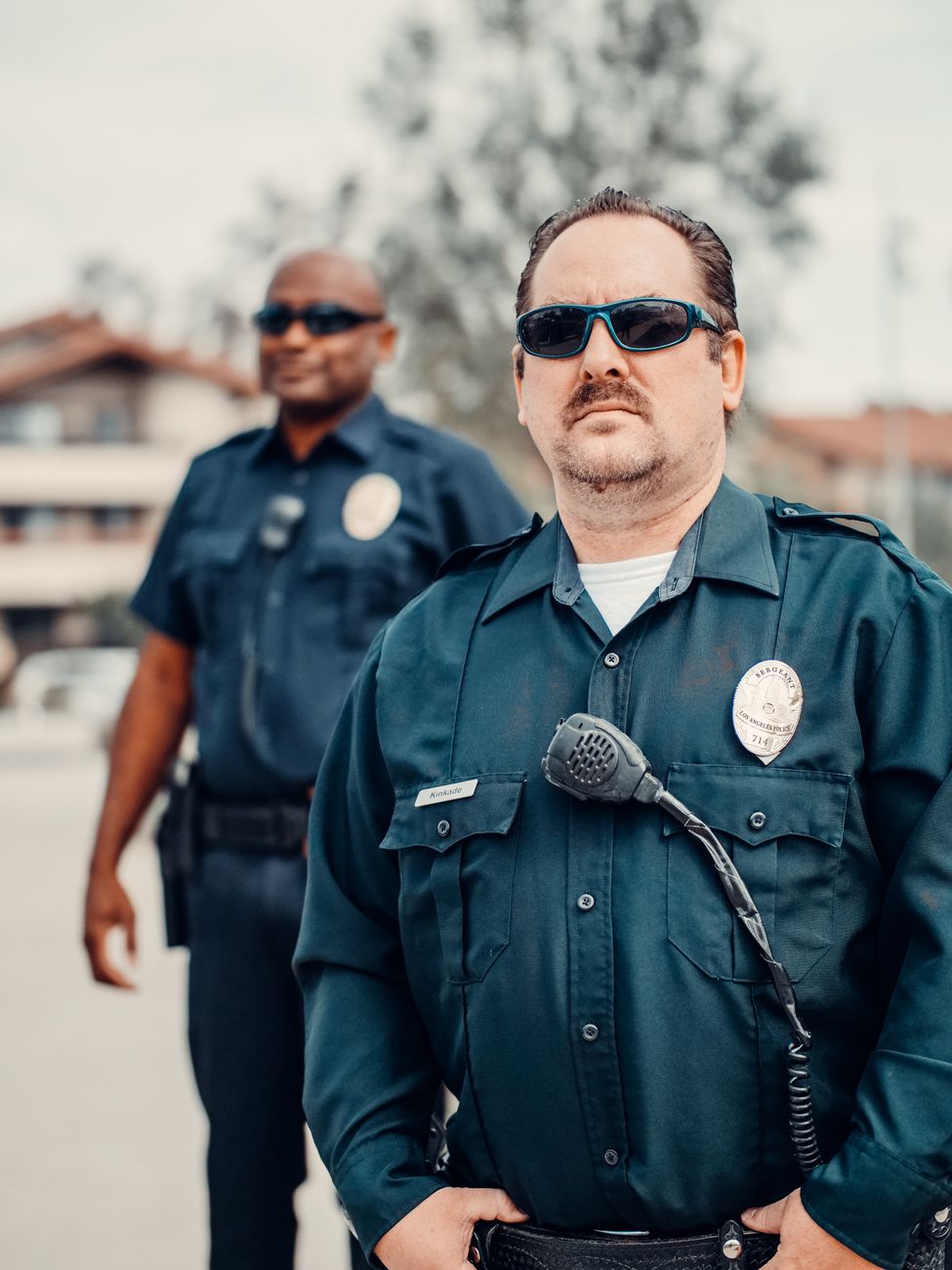
What a GVRO Actually Does

A Gun Violence Restraining Order is a court order that prohibits a named person, called the respondent, from possessing, purchasing, or receiving firearms or ammunition for the duration of the order. It also requires the respondent to surrender any firearms and ammunition they currently have. It does not address custody, housing, or other civil matters the way a domestic violence restraining order might - it's specifically and only about firearms access.
California courts can issue three types of GVROs, each with a different duration and standard. An emergency GVRO lasts up to 21 days and can be issued by law enforcement in the field without a judge's signature, based on a law enforcement officer's own assessment of imminent danger. A temporary GVRO can be issued by a judge, often the same day a petition is filed, and also lasts up to 21 days. A longer-term GVRO, sometimes called a one-year order, can be issued after a full hearing where the respondent has an opportunity to appear and contest the petition; as of 2026, per the California Penal Code, this type can last up to five years and is renewable.
Who Can File a Petition
California has broadened the list of people authorized to petition for a GVRO several times since the law took effect. As of 2026, per the CA DOJ Bureau of Firearms, eligible petitioners include: immediate family members and certain other household members or extended relatives, law enforcement officers, employers, coworkers who have had substantial contact with the respondent in the past 12 months, employees of a secondary or postsecondary school that the respondent has attended in the last six months, and mental health professionals who have treated the respondent. This is a wider group than many states allow, and the specifics of who qualifies in each category are defined in statute - if there's any question about whether a particular relationship qualifies, consult an attorney or the Superior Court self-help center in your county.
A petitioner doesn't need an attorney to file, though having one helps. California Superior Courts in most counties have self-help legal access centers that can walk petitioners through the paperwork. The petition is filed with the court, not with law enforcement, though police are involved in service and enforcement of the order once it's issued.
The Standard of Proof and What the Court Weighs
For a temporary GVRO, a judge considers whether there is reasonable cause to believe the respondent poses a significant danger of harm to themselves or others by having access to firearms. For the longer-term order issued after a full hearing, the standard rises to clear and convincing evidence. Courts consider factors including recent threats, acts of violence, history of mental health crises, alcohol or drug use, and prior violations of restraining orders. The respondent has the right to appear at the full hearing, present evidence, and contest the petition.
Filing a false petition to harass someone is a misdemeanor under California law. That's worth knowing both as a deterrent and as a protection for respondents: the process has formal legal consequences on both sides.
What Happens After an Order Is Issued
Once a GVRO is in place, the respondent is required to surrender firearms and ammunition to law enforcement or a licensed firearms dealer, or to sell them to a dealer. The respondent must also file a receipt with the court confirming the surrender or transfer was completed. Law enforcement serves the order and can enforce it - violation of a GVRO is a criminal offense. The order is also entered into state and federal databases, so it would show up in a background check for a firearms purchase.
See also: California's "Red Flag" Law: How to File a Gun Violence Restraining Order and What Happens Next · How California's Gun Violence Restraining Order Works - and Who Can File One
When a GVRO expires, the respondent's firearms rights are generally restored unless the order is renewed or another legal restriction applies. A GVRO on its own is a civil order, not a criminal conviction, so it doesn't automatically create a lifetime firearms prohibition - but a respondent should confirm their specific situation with an attorney, because other legal circumstances can overlap.
How to Start the Process
If you believe someone poses an imminent danger and law enforcement is involved, you can ask responding officers whether an emergency GVRO is appropriate - they have the authority to issue one in the field. If you're considering filing a petition yourself, start at your county's Superior Court, where clerk's offices can provide the standard Judicial Council forms (form GV-100 is the petition form, though form numbers can change - confirm the current version with the court). Many counties also have domestic violence or violence prevention organizations that can help petitioners understand the process before they walk into the courthouse.
The CA DOJ Bureau of Firearms maintains guidance on GVROs at oag.ca.gov/firearms. County sheriff's offices can answer questions about the surrender and storage process once an order is issued. Given that both the statute and the court forms can change with legislative sessions, checking both the DOJ site and your county court's self-help resources before filing is the practical first step.
This is general information, not legal advice. California's Gun Violence Restraining Order law has been amended multiple times and is subject to ongoing litigation - verify current rules, eligibility, and forms with the California Department of Justice Bureau of Firearms at oag.ca.gov/firearms or with your county Superior Court's self-help center before taking any legal action.