
How California's Gun Violence Restraining Order Process Works - and Who Can File One
who can file a gun violence restraining order in california?
As of 2025, California law allows immediate family members, household members, current or recent dating partners, law enforcement officers, employers, coworkers with regular contact, and certain school employees or teachers to petition a court for a Gun Violence Restraining Order. The full list has been expanded by the Legislature in recent years, so confirm current eligibility at oag.ca.gov before filing.
how long does a california GVRO last?
A California Gun Violence Restraining Order can last different lengths of time depending on its type. An emergency GVRO issued through law enforcement lasts up to 21 days. A temporary GVRO granted by a judge without the subject present also lasts up to 21 days, until a full hearing is held. A GVRO issued after that hearing can last between one and five years and may be renewed by the court.
does a gun violence restraining order show up on a background check in california?
An active Gun Violence Restraining Order in California is entered into the state's Armed Prohibited Persons System, maintained by the CA DOJ Bureau of Firearms, and into federal databases. This means the subject of an active GVRO would be flagged during a California Dealer Record of Sale background check and would be prohibited from purchasing or possessing firearms for the duration of the order.
what proof do you need to get a GVRO in california?
To obtain a temporary Gun Violence Restraining Order in California, a petitioner must present specific, documented evidence of recent conduct suggesting the subject poses a significant danger of harming themselves or others with a firearm. This typically means written accounts of specific threats, statements, or incidents with dates. Courts review petitions the same day on an ex parte basis, meaning without the subject present, using a probable cause standard.
can the person named in a GVRO fight it in california?
Yes. When a temporary Gun Violence Restraining Order is granted in California, a court hearing must be scheduled within 21 days. The subject of the order is notified and has the right to appear, present evidence, and contest the order at that hearing. For a longer-term GVRO to be issued, the court must find clear and convincing evidence of danger, and both sides can present their case.

California's Gun Violence Restraining Order law gives family members, household members, law enforcement, and - as of recent expansions - certain employers and coworkers a legal pathway to ask a court to temporarily remove firearms from someone they believe poses a danger to themselves or others. The process moves fast by design: an emergency order can be granted the same day it's filed, before the subject is even notified. For Californians who've never heard of a GVRO, or who aren't sure whether their situation qualifies, here's how the law actually works as of 2025, per the California Department of Justice.
Related: California's Gun Violence Restraining Order: How the 'Red Flag' Law Works and Who Can File One · How California's Gun Violence Restraining Order Works - and Who Can File One
What a GVRO Does

A Gun Violence Restraining Order is a civil court order that prohibits the person named in it from purchasing, possessing, or receiving firearms and ammunition for the duration of the order. It also requires them to surrender any firearms and ammunition they currently have - to law enforcement or, in some cases, a licensed dealer. The order doesn't result in an arrest on its own and isn't a criminal proceeding; it's a civil tool. The subject of the order can challenge it at a hearing.


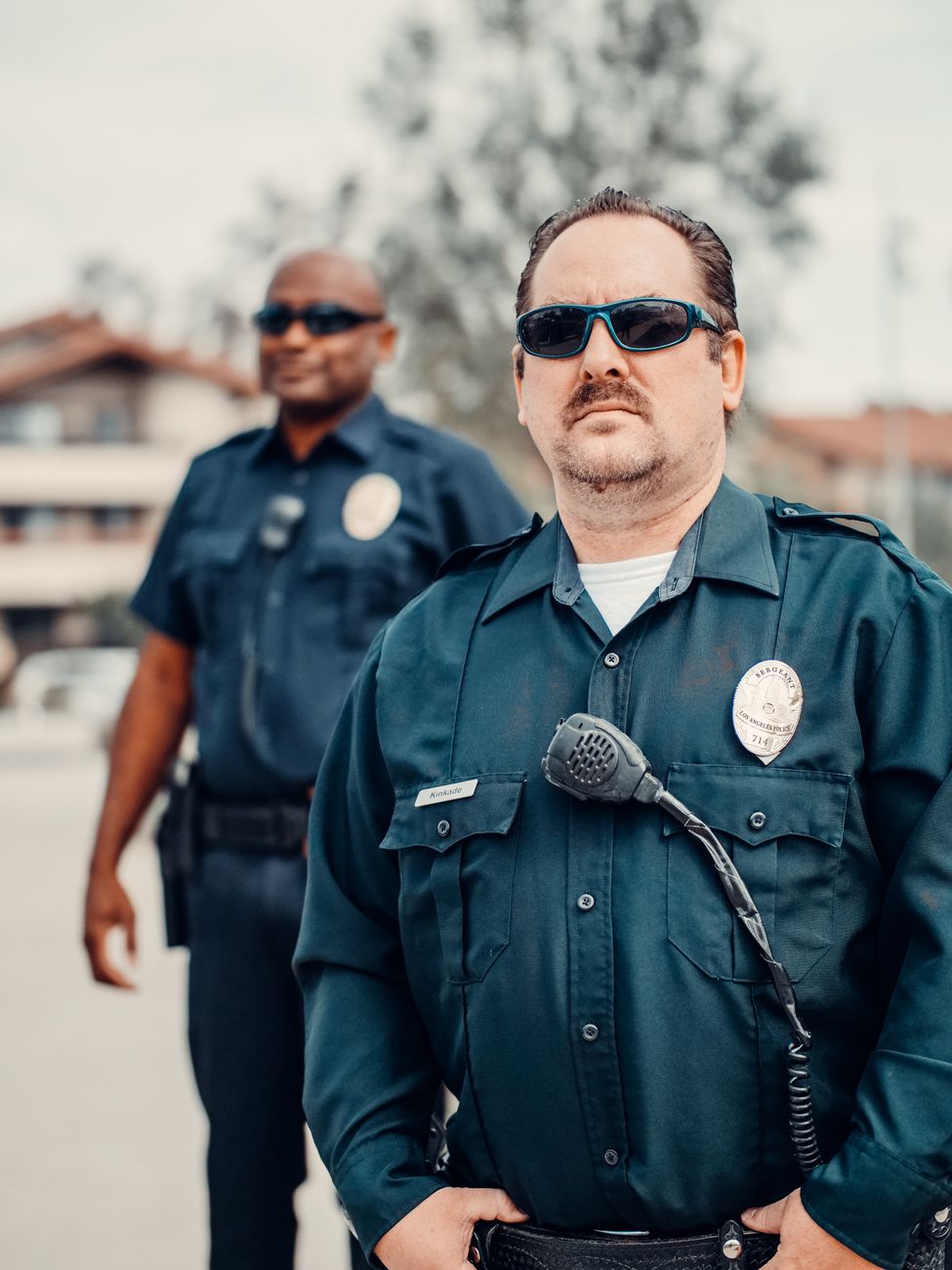
There are three types: an emergency GVRO, a temporary GVRO, and a one-to-five-year GVRO. Each has a different duration, standard of proof, and process for how it's issued.
Who Can File
Under California law as currently written, the following people can petition a court for a GVRO: an immediate family member, a household member, a dating partner (current or recent), law enforcement officers, and - following legislative expansions in recent years - employers, coworkers who have had substantial and regular contact with the person, and employees or teachers at a secondary or post-secondary school the person has attended in the past six months. The CA DOJ maintains current guidance on who qualifies as a petitioner at oag.ca.gov; because this list has been amended by the Legislature more than once, it's worth confirming you're working from the current version before filing.
The Three Types of Orders and How Each Works
An emergency GVRO can be requested by a law enforcement officer - not a private citizen - when there's no time to file with the court directly. The officer contacts a judge, who can issue the order immediately based on probable cause. An emergency GVRO lasts up to 21 days.
A temporary GVRO is what most private petitioners file for. You go to your county superior court, fill out the required forms (California Judicial Council form GV-100 is the main petition), and a judge reviews it, usually the same day, without the subject of the order present. This is called an ex parte proceeding. If granted, a temporary GVRO lasts up to 21 days, during which a full hearing must be scheduled. The subject gets notice and can appear at that hearing to contest it.
A one-to-five-year GVRO is what the court considers at that scheduled hearing, where both sides can present evidence. If granted, it can be renewed. The standard of proof at this stage is "clear and convincing evidence" that the person poses a significant danger of harming themselves or others with a firearm.
How to File as a Private Petitioner
Filing happens at your county superior court's civil division. California Judicial Council forms for GVROs are available at the court clerk's office and at courts.ca.gov. Most counties also have a self-help legal access center at the courthouse that can walk you through the paperwork without providing legal advice. There is no filing fee for a GVRO petition. After you file, law enforcement serves the order on the subject; you don't do that yourself.
What the court needs to see in your petition is specific, recent conduct - documented threats, statements, prior incidents involving firearms, or behavior that clearly suggests danger. Vague concern isn't enough on its own. Be as specific as possible about dates, statements, and what you directly witnessed. Courts vary in how quickly they process same-day filings, so arriving early in the day matters.
See also: California's "Red Flag" Law: How to File a Gun Violence Restraining Order and What Happens Next · California's "Red Flag" Law Explained: How to File a Gun Violence Restraining Order, and What Happens After
What Happens to the Firearms
Once a GVRO is served, the subject is required to surrender all firearms and ammunition within 24 hours, either to a law enforcement agency or to a licensed firearms dealer for storage. They must file a proof of surrender with the court. Failure to comply can result in criminal charges. Law enforcement can also conduct a search if there's reason to believe the subject hasn't complied. The CA DOJ Bureau of Firearms tracks GVRO records through the state's Armed Prohibited Persons System.
Limitations and What a GVRO Doesn't Do
A GVRO addresses firearms and ammunition only. It's not a domestic violence restraining order, a civil harassment order, or a criminal protective order, and it doesn't prohibit the subject from contacting you or coming near you. If you need distance or protection from someone's presence - not just their firearms - a separate restraining order process applies. A GVRO also doesn't prevent someone from accessing other weapons. If your situation involves immediate physical danger, call 911 first.
California's GVRO law has also been subject to ongoing litigation, and courts have reviewed portions of it in recent years. The law as applied may differ from what's on the books at any given moment. Check oag.ca.gov or contact the CA DOJ Bureau of Firearms directly to confirm current rules before acting.
This is general information, not legal advice - verify current GVRO procedures and eligibility requirements with the California Department of Justice Bureau of Firearms at oag.ca.gov, your county superior court's self-help center, or a licensed California attorney before taking any action.