
California's "Red Flag" Law Explained: How to File a Gun Violence Restraining Order, and What Happens After
Who can file a gun violence restraining order in California?
As of 2025, California law allows immediate family members, household members, law enforcement officers, employers, coworkers with recent substantial contact, school employees, and certain mental health professionals to file a Gun Violence Restraining Order. The list of eligible petitioners has expanded in recent years, so confirm your eligibility with the CA DOJ Bureau of Firearms or your county superior court.
How long does a California GVRO last?
California Gun Violence Restraining Orders come in three types. An emergency GVRO issued by law enforcement lasts up to approximately 21 days. A temporary GVRO issued by a judge ex parte lasts until a full hearing, generally within a few weeks. A long-term GVRO issued after a hearing can last up to five years and may be renewed. Verify current durations with the CA DOJ Bureau of Firearms, as these rules have changed.
Does filing a GVRO give the subject a criminal record?
No. A Gun Violence Restraining Order is a civil court order, not a criminal charge or conviction, and does not by itself create a criminal record for the subject. However, an active GVRO is entered into background check databases and prohibits the subject from legally purchasing or possessing firearms while it remains in effect. Violating the order can result in criminal charges.
How fast can a California court issue a temporary GVRO?
A judge can issue a temporary Gun Violence Restraining Order the same day a petition is filed, often within hours, because the initial hearing is ex parte, meaning the subject does not have to be present or notified first. A full hearing where both sides may appear is typically scheduled within a few weeks. If you face immediate physical danger, call 911 rather than relying solely on this process.
What happens to someone's guns after a GVRO is served in California?
When California law enforcement serves a Gun Violence Restraining Order, the subject is required to surrender all firearms and ammunition. Surrender can occur directly to the responding officers or, depending on county procedures, at a law enforcement agency or licensed dealer. The subject may petition the court to have firearms returned if the order is not renewed or is terminated. Knowing violations of a GVRO can be charged as a misdemeanor or felony.

California's Gun Violence Restraining Order law gives family members, law enforcement, coworkers, teachers, and others a civil court tool to temporarily remove firearms from someone they believe poses a serious danger to themselves or others - without waiting for a criminal charge. The law has been amended several times since it took effect in 2016, and as of 2025, the list of who can file one has expanded considerably. If you're wondering whether this tool applies to your situation, here's how the process actually works.
Related: California's "Red Flag" Law: How to File a Gun Violence Restraining Order and What Happens Next · California's Gun Violence Restraining Order: How the 'Red Flag' Law Works and Who Can File One
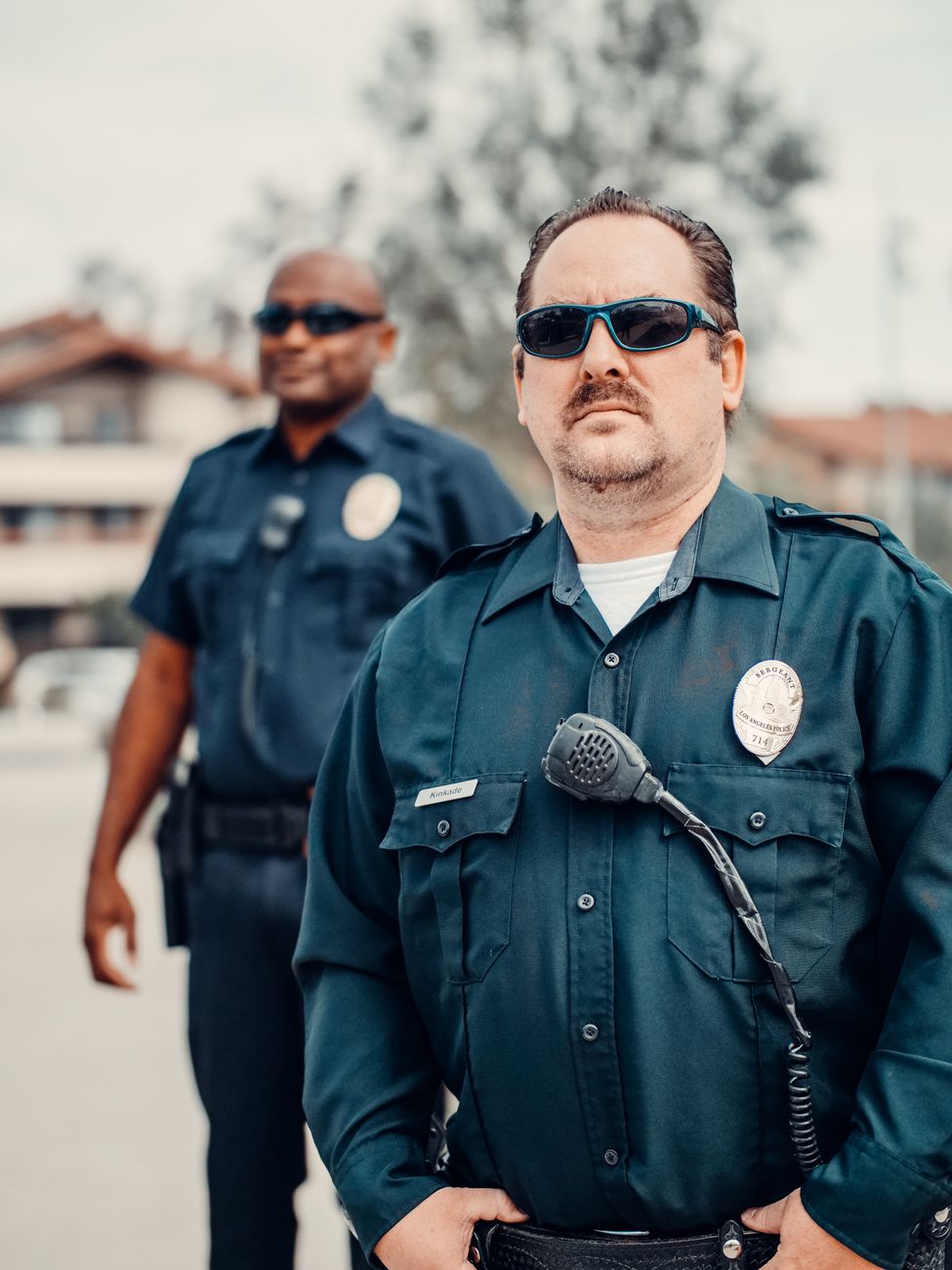


Who Can File a GVRO in California

As of 2025, per the California Department of Justice, the following people may petition a court for a Gun Violence Restraining Order: immediate family members (including parents, children, siblings, spouses, and domestic partners), people who live with the subject, law enforcement officers, employers, coworkers who have had substantial contact with the person in the past 12 months, employees of a secondary or postsecondary school the subject has attended in the past 12 months, and certain mental health professionals. The California Legislature expanded the list of eligible petitioners in recent years, so if you were previously told you didn't qualify, it's worth checking the current statute or contacting the CA DOJ Bureau of Firearms to confirm your eligibility now.
Anyone who believes they qualify should be prepared to describe specific recent conduct or statements by the subject that support the claim of danger. Vague concern isn't enough - courts look for concrete, recent evidence.
Types of GVROs and How Long They Last

There are three main types. An Emergency GVRO can be issued by a law enforcement officer who responds to a scene and believes someone poses an immediate danger; it's valid for a short period - typically up to 21 days, per current CA DOJ guidance - and is designed to hold things over until a court hearing can be scheduled. A Temporary GVRO is issued by a judge, usually the same day or the next day after a petition is filed, without the subject present (this is called an ex parte proceeding). It also lasts until a hearing can be held, generally within a few weeks. A standard GVRO - sometimes called a one-year or long-term GVRO - is issued after a full hearing where both sides can appear, and it can last up to five years and be renewed. Check with your county superior court or the CA DOJ Bureau of Firearms for the current duration limits, as these details have been subject to legislative revision.
How to Actually File One
Filing starts at your county's superior court. California courts have standardized GVRO petition forms - look for the GV-100 series on the California Courts website (courts.ca.gov) or ask at your county courthouse's self-help legal access center, which can walk you through completing the paperwork without charging attorney fees. You don't need a lawyer to file, though consulting one is advisable if the situation is complex.
The petition asks you to describe, in specific terms, the subject's recent behavior, any threats made, any prior incidents of violence, and what firearms you believe the subject possesses. Filing is free of charge. Once submitted, a judge reviews the petition, typically the same day, and decides whether to issue a temporary order. If one is issued, law enforcement serves the subject with the order and takes custody of any firearms and ammunition in their possession at the time of service. The subject is also prohibited from purchasing or receiving firearms while the order is active.
A hearing date is then set, usually within 21 days for a temporary GVRO. Both the petitioner and the subject may appear and present evidence. The judge decides whether to issue a longer-term order.
See also: How California's Gun Violence Restraining Order Works - and Who Can File One · How California's Gun Violence Restraining Order Process Works - and Who Can File One
What Happens to the Subject's Firearms
When a GVRO is served, the subject is required to surrender any firearms and ammunition they possess. Surrender can happen directly to law enforcement at the scene, or - depending on county procedures - by turning weapons in to a local law enforcement agency or transferring them to a licensed firearms dealer for storage. The subject cannot legally possess, purchase, or receive firearms while the order is in effect.
Violating a GVRO is a criminal offense under California law. As of 2025, per the CA DOJ, a knowing violation can be charged as a misdemeanor or a felony depending on circumstances. The subject can contest the order at the scheduled hearing and, if the order is not renewed or is terminated by the court, may petition to have firearms returned through a process the court supervises.
Important Limits of This Process
A GVRO is a civil court order, not a criminal proceeding. It doesn't result in arrest by itself, and it doesn't create a criminal record for the subject - though a sustained GVRO does show up in background check databases and will prevent the subject from legally purchasing firearms while it's active. If you're in a situation involving immediate physical danger, call 911 first. The GVRO process, even at its fastest, takes hours to days, not minutes. County self-help legal access centers, the CA DOJ Bureau of Firearms website (oag.ca.gov/firearms), and your county sheriff's office are the best starting points for current forms, local procedures, and any county-specific requirements.
This is general information, not legal or financial advice - check the California Department of Justice Bureau of Firearms at oag.ca.gov/firearms, your county superior court's self-help center, or consult a licensed California attorney for guidance on your specific situation.