
California's "Red Flag" Law: How to File a Gun Violence Restraining Order and What Happens Next
Who can file a gun violence restraining order in California?
As of 2026, California law allows immediate family members, current or former dating partners, roommates, employers, coworkers, teachers, school employees, and law enforcement officers to petition a court for a Gun Violence Restraining Order. The petitioner files in the Superior Court of the county where the person they're concerned about lives. Verify current eligibility at oag.ca.gov/firearms.
How long does a California GVRO last?
A California Gun Violence Restraining Order can last at different lengths depending on its type. An emergency GVRO, requested by law enforcement, lasts up to 21 days. A temporary GVRO issued after a civilian petition also lasts up to 21 days. After a full court hearing where both parties can present evidence, a judge may issue a one-year GVRO, which can be renewed.
Does the person subject to a GVRO get a hearing in California?
Yes. A temporary GVRO is typically issued ex parte, meaning the respondent is not present at the initial hearing, but California law requires a full hearing before the temporary order expires, usually within 21 days. At that hearing, the respondent can present evidence and contest the order. A judge then decides whether to let it expire or issue a longer-term order.
What happens to someone's guns after a GVRO is issued in California?
When a California court issues a Gun Violence Restraining Order, the respondent is generally required to surrender all firearms and ammunition to law enforcement or transfer them to a licensed dealer, and to provide the court with proof of surrender. Possessing a firearm while subject to a GVRO is a criminal offense. The court order itself will specify the required timeline and process for surrender.
Is there a filing fee for a GVRO petition in California?
As of 2026, California law does not require a filing fee for a Gun Violence Restraining Order petition. Most California Superior Courts also have self-help legal access centers that can assist petitioners with the paperwork at no charge. Administrative procedures can vary by county, so confirm the current process with the clerk's office at your local Superior Court before filing.
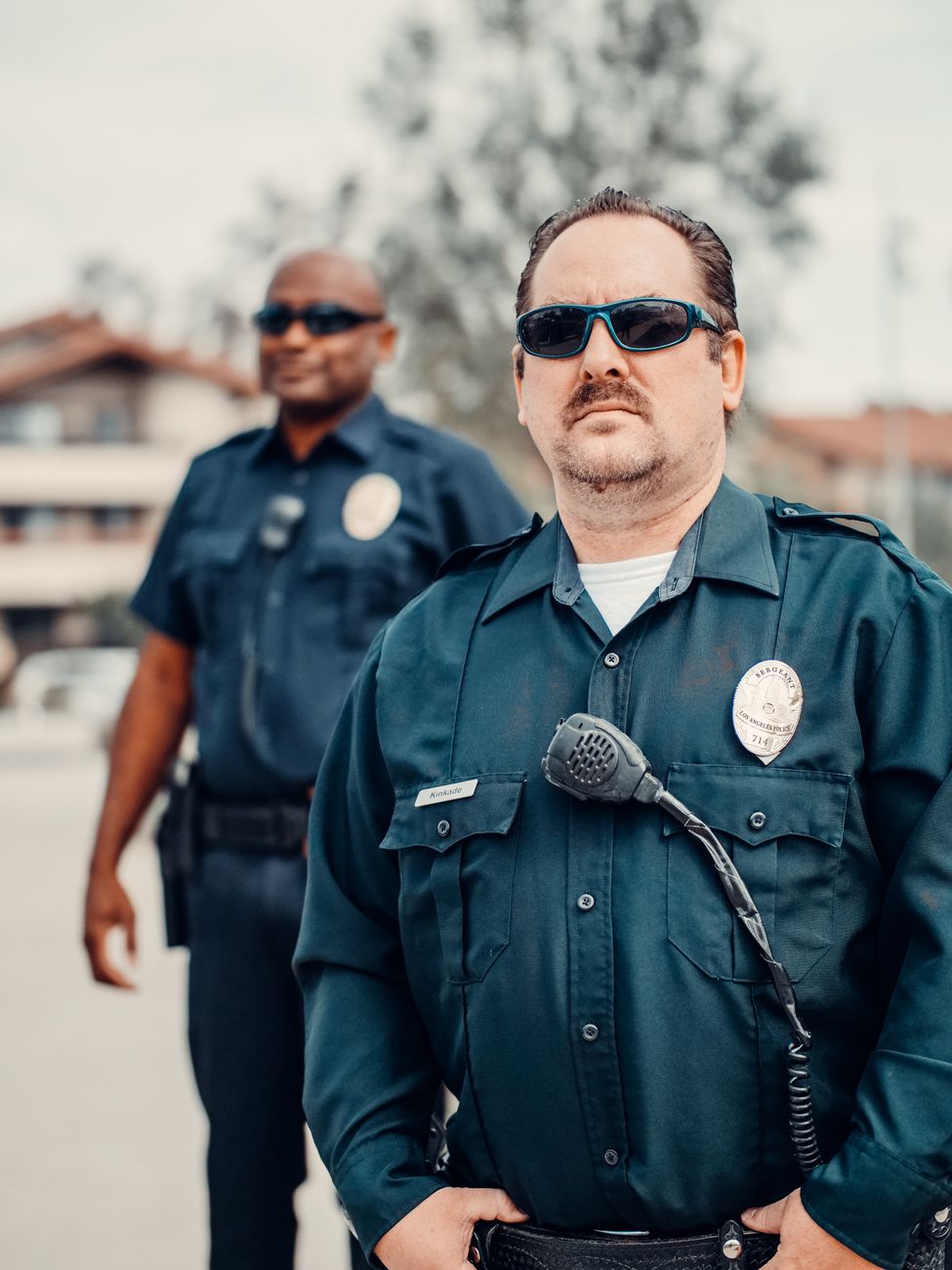
California's Gun Violence Restraining Order law gives courts the authority to temporarily remove firearms from someone a family member, roommate, or law enforcement officer believes poses a danger to themselves or others. It's one of the broader such laws in the country, and as of 2026 the list of people who can petition for one has expanded well beyond immediate family. If you're considering filing, or you've had one filed against you, here's how the process actually works.
Related: California's "Red Flag" Law Explained: How to File a Gun Violence Restraining Order, and What Happens After · California's Gun Violence Restraining Order: How the 'Red Flag' Law Works and Who Can File One
Who Can File a GVRO
As of 2026, per the California Department of Justice, the following people can petition a California court for a Gun Violence Restraining Order: an immediate family member, a current or former dating partner, a person who lives or has lived with the respondent, an employer, a coworker, an employee, a teacher or school administrator of the respondent, or a law enforcement officer. That list was significantly widened by legislation in recent years, so anyone unsure whether they qualify should verify current standing with the CA DOJ Bureau of Firearms at oag.ca.gov/firearms or consult the Superior Court's self-help center in their county.



You do not need a lawyer to file, though one can help. The petition is filed in the Superior Court in the county where the respondent lives.
The Two Types of Orders: Emergency vs. Temporary
There are effectively three tiers to the GVRO process. The first is an Emergency GVRO, which only law enforcement can request. An officer can ask a judge for one at any hour, including outside normal court hours, if they believe there's an immediate danger. It lasts up to 21 days.
A civilian petitioner starts at the second tier: a Temporary GVRO. A judge reviews the petition without the respondent present (this is called an ex parte hearing) and can issue the order based on the written evidence alone. If granted, it typically lasts up to 21 days and requires the respondent to surrender any firearms and ammunition they possess, as well as any firearm purchase permits or dealer records of sale.
Before that temporary order expires, the court schedules a full hearing where both sides can present evidence. At that hearing, a judge can either let the order expire or issue a one-year GVRO. One-year orders can be renewed.
What the Respondent Must Do
If a GVRO is issued, the respondent is generally required to surrender all firearms and ammunition to law enforcement or sell or transfer them to a licensed dealer, and to provide proof of surrender to the court within a timeframe the court specifies. Possession of a firearm while subject to a GVRO is a criminal offense under California law. The exact timelines and surrender procedures can vary, so respondents should read the order carefully and, if they have questions, contact the Superior Court clerk in their county or consult an attorney.
Being subject to a GVRO also generally prohibits the respondent from purchasing or attempting to purchase a firearm during the order's term. That prohibition runs through California's firearm background check system.
What Petitioners Need to Know About Evidence
A judge reviewing a temporary GVRO petition is looking for a preponderance of evidence that the respondent poses a significant danger of causing personal injury to themselves or others by having access to a firearm. That's a lower standard than "beyond reasonable doubt," but it still requires real evidence. Courts look at things like recent threats, prior incidents of violence, prior criminal history, prior violations of restraining orders, or documented evidence of a mental health crisis.
See also: How California's Gun Violence Restraining Order Works - and Who Can File One · How California's Gun Violence Restraining Order Process Works - and Who Can File One
Petitioners should document everything they can before filing: screenshots of messages, records of incidents with dates and times, police reports if any exist, and statements from witnesses. Vague or unsupported claims are less likely to result in an order being issued or sustained at the full hearing.
Where to File and What It Costs
Petitions are filed at the Superior Court in the county where the respondent lives. Most California Superior Courts have self-help legal access centers that can walk petitioners through the paperwork without charging attorney fees. As of 2026, there is no filing fee for a GVRO petition under California law, but petitioners should confirm current court procedures with their local Superior Court clerk, as administrative processes can vary by county.
If you are in immediate danger, call 911. The GVRO process, even an emergency one, is not a substitute for calling law enforcement when there is an active threat.
This is general information, not legal advice. California firearm law changes frequently through legislation and ongoing court decisions. Always verify current GVRO procedures, eligibility rules, and surrender requirements with the California Department of Justice Bureau of Firearms at oag.ca.gov/firearms, your county Superior Court's self-help center, or a licensed California attorney before acting.