
California's Gun Violence Restraining Order: How the 'Red Flag' Law Works and Who Can File One
Who can file a red flag gun restraining order in California?
As of 2026, per the California DOJ, eligible petitioners include immediate and extended family members, law enforcement officers, employers, coworkers who have had substantial contact with the person in the last six months, and employees or teachers at a school the person has attended in the last six months. You do not need to be a lawyer or the person believed to be at risk.
How long does a California Gun Violence Restraining Order last?
California law provides three types of GVROs. An emergency GVRO issued by a law enforcement officer in the field lasts up to 21 days. A temporary GVRO issued by a judge, without a full hearing, also lasts up to 21 days. A final GVRO, issued after a court hearing where both sides present evidence, can last up to five years and may be renewed. Confirm current durations with the California DOJ at oag.ca.gov/firearms.
Does a GVRO show up on someone's criminal record in California?
A Gun Violence Restraining Order is a civil court order, not a criminal charge, so it does not by itself create a criminal record. However, violating an active GVRO is a crime under California law. The order does appear in state databases, including the Armed Prohibited Persons System maintained by the California DOJ, and prohibits the subject from purchasing or possessing firearms and ammunition while it is in effect.
How do I file a GVRO petition in California if I'm not law enforcement?
Non-law-enforcement petitioners file through the superior court in their county. California's Judicial Council provides standardized petition forms, including the GV-100 series, available at courthouses and often through county self-help legal centers. A judge typically reviews the petition the same day or the next business day. Court filing fees for GVROs are generally waived, but confirm with your county superior court clerk, as practices vary by county.
What happens to someone's guns after a GVRO is issued in California?
Once a Gun Violence Restraining Order is served, the subject must surrender all firearms and ammunition to law enforcement, transfer them to a licensed dealer, or store them with a licensed dealer. The subject must document compliance and submit that documentation to the court within a set time frame. The California DOJ updates its Armed Prohibited Persons System to reflect the active order. Verify current compliance requirements at oag.ca.gov/firearms.

California's Gun Violence Restraining Order law gives family members, police, employers, coworkers, and teachers a legal path to ask a court to temporarily remove firearms from someone they believe poses a serious danger to themselves or others. The law has been expanded several times since it was first enacted in 2014, and as of 2026, the list of people who can file has grown considerably. If you've heard the term "red flag law" and wondered what it actually requires, here's how the process works in practice.
Related: California's "Red Flag" Law: How a Gun Violence Restraining Order Works and Who Can File One · How California's Gun Violence Restraining Order Process Works - and Who Can File One


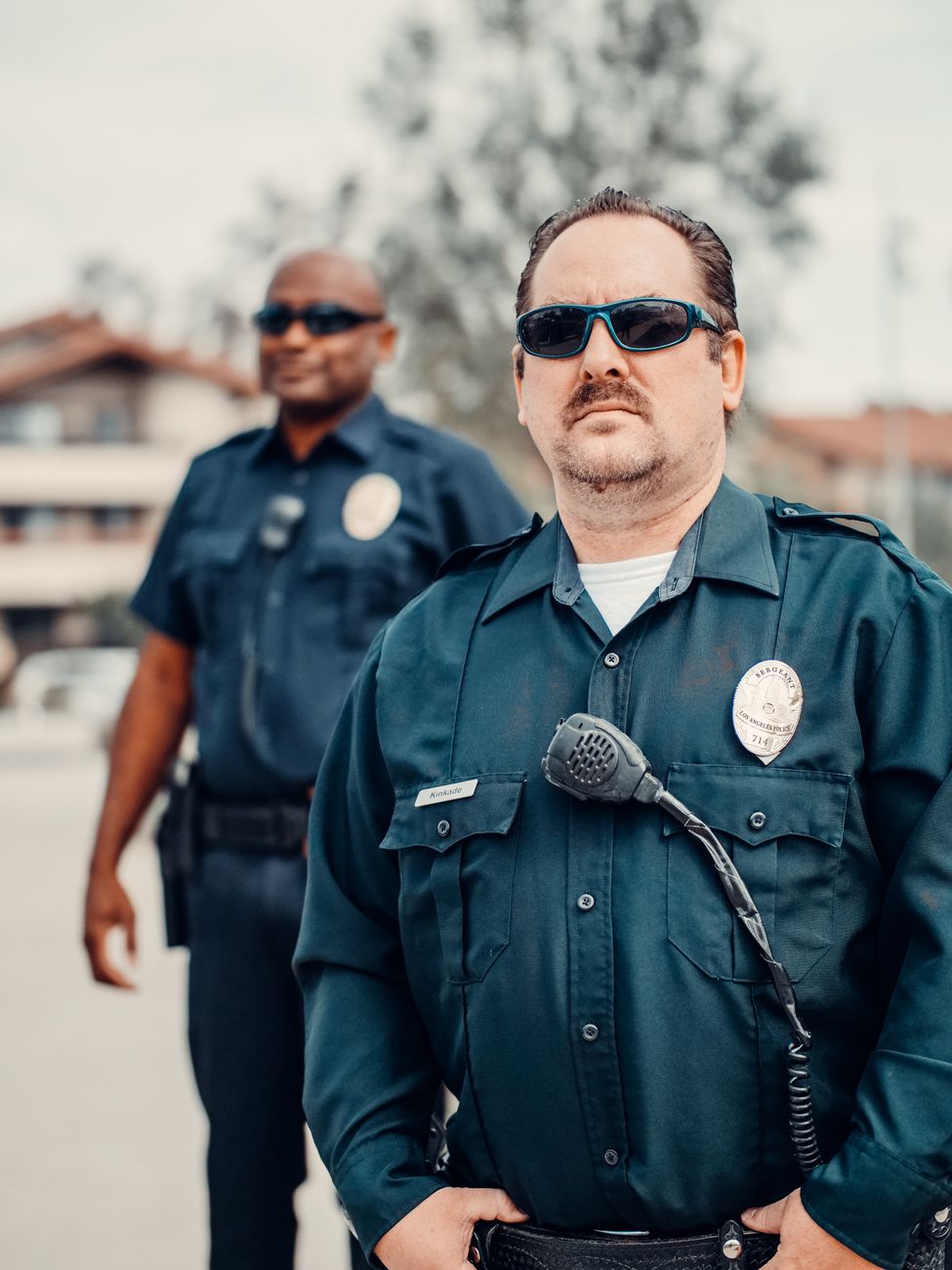
What a GVRO Does
A Gun Violence Restraining Order is a civil court order that prohibits a named person from purchasing, possessing, or having custody or control of firearms or ammunition for the duration of the order. It does not create a criminal record on its own, though violating an active order is a crime under California law. The order requires the subject to surrender any firearms and ammunition they currently possess, and law enforcement is authorized to serve the order and take possession of those items.
There are three types of GVROs under California law as of 2026, per the California Department of Justice. An emergency GVRO can be issued by a law enforcement officer in the field when no court is immediately available, and it lasts up to 21 days. A temporary GVRO is issued by a judge, typically on the same day or the next business day after a petition is filed, without a full hearing and without the subject present; it also lasts up to 21 days. A final GVRO, sometimes called a one-year or long-term order, is issued after a full court hearing where both sides can present evidence, and it can last up to five years and be renewed.
Who Can File a Petition
California has one of the broader lists of eligible petitioners in the country. As of 2026, per the California DOJ, the following people can petition a court for a GVRO: an immediate family member (defined broadly to include parents, children, siblings, grandparents, spouses, domestic partners, and dating partners, regardless of whether they share a residence); any law enforcement officer; an employer or coworker who has had substantial contact with the person in the last six months; an employee or teacher at a secondary or postsecondary school the person has attended in the last six months; and a colleague at the same workplace or school. The petitioner does not need to be the person they believe is at risk - a friend who observes a coworker displaying warning signs could file, provided that coworker fits the "substantial contact" threshold.
Law enforcement can file independently, and in some jurisdictions, police departments have assigned officers specifically to track GVRO filings and removals. Individual petitioners who are not law enforcement must go through the superior court in their county.
What Petitioners Have to Show
To obtain a temporary GVRO, a petitioner must show a court that there is reasonable cause to believe the subject poses a significant danger of self-harm or harm to others in the near future by having access to a firearm. Courts consider several factors: recent threats or acts of violence, evidence of a pattern of threats, evidence of recent alcohol or controlled substance abuse, a recent acquisition of firearms or ammunition in quantities that suggest danger, and any recent violation of a domestic violence protective order, among others.
The standard for a temporary order is deliberately lower than for a final order, because the temporary order is issued before the subject has had a chance to appear. At the full hearing for a final GVRO, the burden shifts and the petitioner must demonstrate by clear and convincing evidence that a long-term order is warranted. The subject has the right to appear, present evidence, and contest the petition at that hearing.
How to Actually File
If you're not a law enforcement officer, you file through your county's superior court. California's Judicial Council provides standardized forms for GVRO petitions (form series GV-100 and related forms), which are available through the courts and, in many counties, through a courthouse's self-help legal center. You fill out the petition, describing the specific conduct or statements that led you to believe the person poses a danger, and file it with the clerk. A judge reviews it, typically the same day or next business day, and issues or denies the temporary order. If the temporary order is granted, law enforcement serves it and the matter is set for a full hearing.
See also: California's "Red Flag" Law: How to File a Gun Violence Restraining Order and What Happens Next · How California's Gun Violence Restraining Order Works - and Who Can File One
You do not need a lawyer to file, but given the evidentiary requirements for the final hearing, many petitioners consult one. Many county courthouses have self-help centers where staff can assist with the forms without providing legal advice. Court filing fees are generally waived for GVRO petitions, though you should confirm the current fee schedule with your county superior court clerk directly, as practices vary.
What Happens After the Order Is Issued
Once a GVRO is served, the subject must surrender all firearms and ammunition to law enforcement, sell them to a licensed dealer, or store them with a licensed dealer. They must provide documentation of compliance to the court within a specified time frame. California DOJ updates its records through the Armed Prohibited Persons System, which cross-references known firearm owners against people subject to court orders.
An active GVRO also prohibits the subject from purchasing ammunition, which under California's existing ammunition background-check requirement means a denial at the point of sale. When a GVRO expires or is terminated by the court, the subject can petition to have their firearms returned, provided they are not otherwise prohibited from owning them.
Because California firearm law changes frequently through legislation and ongoing court decisions, the specific rules around GVROs, including petition eligibility, order durations, and compliance requirements, can shift. This is general information, not legal advice. Verify current rules and obtain the correct court forms through the California DOJ Bureau of Firearms at oag.ca.gov/firearms, or contact your county's superior court self-help center before taking any action.