
Feds Order Colorado River Water Cuts and California Is Already in the Crosshairs
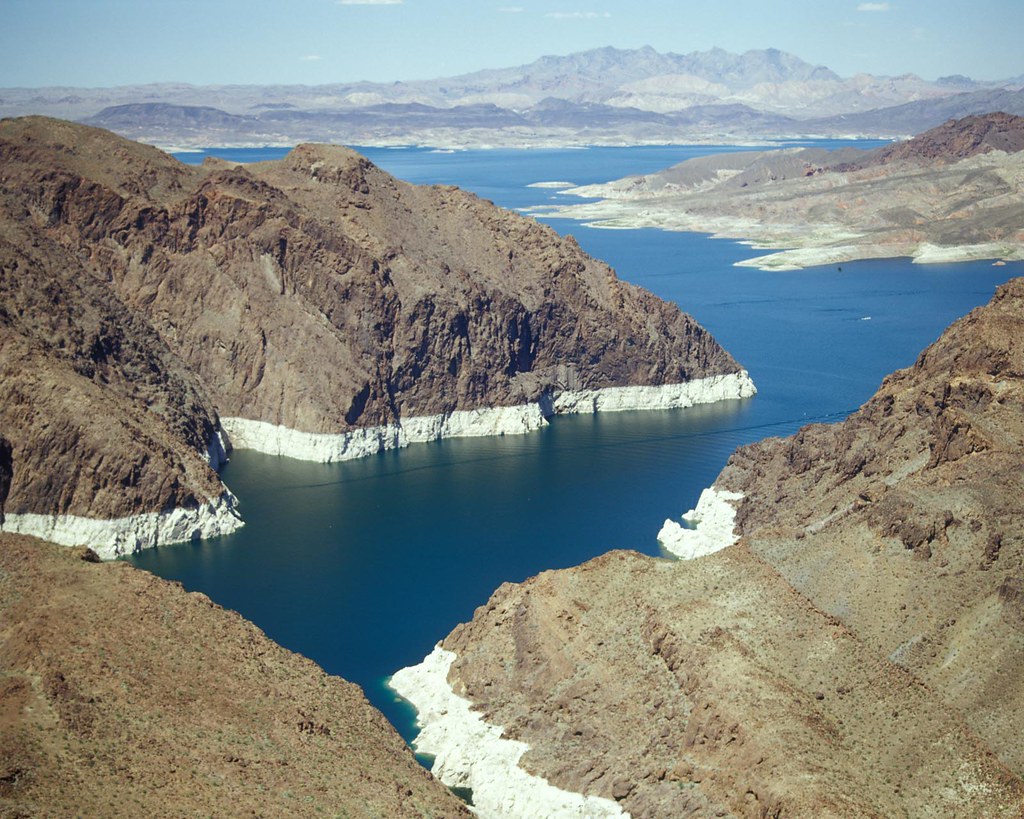
The federal government just told California it needs to use less Colorado River water. Not a little less. A lot less. And for a state that has spent years watching reservoirs shrink and farm towns dry up, this is not abstract policy news. This is the kind of thing that changes what food costs at a Fresno grocery store and whether a Coachella Valley farmer can plant next season.
Related: How California's Gun Violence Restraining Order Process Works - and Who Can File One · UNDERGROUND VAULT FIRE IN DOWNTOWN SF SPARKS SHELTER IN PLACE ORDER
Federal officials have ordered steep water cuts for Arizona, California, and Nevada under new Colorado River allocations, according to reports from recent wire cycles. The specifics are still rolling in, but the direction is unmistakable: the Bureau of Reclamation is tightening the spigot on a river that has already dropped to crisis levels, and California, as one of the three named states, is directly in the line of fire.
For a state with 39 million people, the world's fifth-largest economy, and the most productive agricultural region on the planet, losing a significant slice of Colorado River access is not a rounding error. It is a crisis in slow motion that is starting to move faster.
Why the Colorado River Is Running Out

Lake Mead and Lake Powell, the two enormous reservoirs that store Colorado River water for the American West, have been flirting with catastrophically low levels for the better part of a decade. Climate change has hammered the river's snowpack sources in the Rockies. Decades of over-allocation, where states and the federal government promised more water than the river actually produces, have made a reckoning inevitable. The reckoning, it appears, is now.
The 1922 Colorado River Compact divided the river's water among seven states based on flow estimates that turned out to be wildly optimistic. California locked in one of the largest shares. For generations, that worked out fine. Then the 21st century got hot, fast, and the math stopped adding up.
What the feds are now ordering reflects years of failed voluntary negotiations. Arizona, California, and Nevada were supposed to come to the table and agree to cut their own usage. They made some progress. Not enough. So Washington stepped in with a mandate.

What California Actually Stands to Lose

California draws Colorado River water through the State Water Project and, more directly, through the Metropolitan Water District of Southern California, which serves about 19 million people from Los Angeles to San Diego. The Imperial Irrigation District in the southeast corner of the state is the single largest user of Colorado River water in the entire country. Its farmers grow a huge share of the winter vegetables that end up on American tables from November through March.
Cuts to the Imperial Irrigation District do not just affect farmers. They ripple through a regional economy where agriculture is the backbone, where farmworker communities depend on full fields, and where the tax base of places like El Centro and Brawley tracks crop revenue more closely than most Californians realize.
Southern California cities are in a different bind. Los Angeles and San Diego have invested heavily in water recycling and conservation over the past decade, so they are better positioned than they used to be. But they are not invulnerable. Mandatory cuts layered on top of an already-stressed supply picture mean higher costs, tougher restrictions, and less margin for error when the next drought year hits.
The Political Fight That Is Coming

California has historically wielded considerable muscle in Colorado River negotiations, partly because of its senior water rights under the old compact and partly because Los Angeles has enough lawyers and lobbyists to outlast almost any adversary at a negotiating table. That muscle is going to get tested hard in the months ahead.
Arizona and Nevada have already made significant voluntary reductions in recent years. California has made some moves, including a 2023 deal to temporarily fallow farmland in the Imperial Valley in exchange for federal payments. But the pressure to do more has been building, and federal officials are now signaling that voluntary goodwill only goes so far.
See also: TRAFFIC COLLISION ON RIVER ROAD NEAR SACRAMENTO · California's "Red Flag" Law: How to File a Gun Violence Restraining Order and What Happens Next
The political optics are tricky. California's governor and its congressional delegation will fight to protect state water rights. Agriculture groups will fight even harder. Environmental advocates, meanwhile, have been pointing out for years that the Colorado River no longer reaches the sea, that its delta in Mexico is a ghost of what it once was, and that the whole system needs a reset, not just a trim.
A Problem That Does Not Get Easier
Here is the part that does not show up in the policy briefings but matters enormously: the Colorado River is not going to recover. Even in a wet year, which 2023 was, the structural gap between what the river produces and what seven states plus Mexico plus 30-plus tribal nations are entitled to take is not going away. Climate projections suggest the river's average flow could drop another 10 to 30 percent by mid-century.
That means these cuts are not a one-time adjustment. They are the first round. California can win the political fight over who absorbs how much pain in 2025 and still face a bigger fight in 2028, and a worse one in 2032.
The farmers in the Imperial Valley already know this. So do the water managers at Metropolitan Water District, who have been quietly building desalination and recycling capacity for exactly this moment. The question is whether California's political leadership can get ahead of the math before the math gets ahead of them.
So far, the math is winning.