
The West's Rivers Are Too Warm for Trout, and the Fish Are Paying for It

Drive along the Truckee River in July and the water looks fine. Clear enough, moving, catching the light. But looks are lying to you. Reach your hand in and hold it there. It's warm. Not "refreshing mountain stream" warm. Bath warm. And that's the problem.
Related: The West's Rivers Are Too Warm for Trout and Getting Worse · ATMOSPHERIC RIVERS: THE SKY-BORNE PLUMBING THAT DECIDES CALIFORNIA'S WATER YEAR
Across the American West this summer, rivers that trout have called home for thousands of years are hitting temperatures that simply kill them. The Sacramento. The Klamath. The upper Colorado tributaries. The Snake. The fish aren't migrating to cooler water. They're running out of places to go, and in stretches where they can't escape, they're dying in numbers that alarm even veteran fisheries biologists.
The culprit isn't one bad week of heat. It's the whole year, start to finish, stacked against them. A warm winter that didn't build the snowpack, followed by a dry summer that left rivers low and sluggish, has created conditions that cold-water fish simply weren't built to survive. Trout don't adapt quickly. They evolved for cold, fast, oxygen-rich water. Give them the opposite and you get a fish kill.
The Snowpack That Never Showed Up
Snowpack is a river's savings account. The Sierra Nevada and the Rockies fill all winter, and then draw down slowly through spring and early summer, keeping rivers cold and reasonably full even as air temperatures climb. When that account runs thin, the whole system shorts out.
A warm winter means two things simultaneously: less snow accumulates, and what does accumulate melts earlier. Rivers that would normally be topped up with snowmelt well into June start dropping in April. By July, flows that might ordinarily run at robust levels are a fraction of that. The river slows down, spreads out in some reaches, shrinks in others, and loses the one thing trout need most. Depth. A deep channel stays cooler. A shallow river baking in full August sun heats up like a parking lot puddle.
Low flow also means less mixing. A fast-moving river tumbles over rocks, breaks up at riffles, and constantly refreshes its oxygen content. Slow, warm water does none of that. Dissolved oxygen drops. And for a trout, low oxygen in warm water is a double penalty, because warm-blooded fish actually need more oxygen when stressed by heat, not less.
What Heat Does to a Trout
Most trout species start showing serious physiological stress somewhere around 68 degrees Fahrenheit. Above 75 degrees, the situation becomes critical fast. The fish's metabolism races. Its immune system weakens. It burns energy just existing, energy it can't replace because warm water also suppresses appetite and the insects trout eat.
Then come the pathogens. Warm, slow rivers are incubators. A fish already weakened by thermal stress and oxygen debt is exactly the host that diseases like proliferative kidney disease and bacterial gill disease are waiting for. Outbreaks that a healthy fish population in cold water shrugs off become mass-mortality events when the water stays warm for weeks at a stretch.
Salmon and steelhead face the cruelest version of this. They're migrants. They can't just sit still and wait for things to improve. They have to move upriver to spawn, on a biological schedule millions of years old, into water that may now be lethally hot along crucial stretches. When they hit a thermal barrier, a reach of river too warm to pass, they stack up and wait. The longer they wait, the more they die before they ever reach the spawning grounds.
The Rivers Showing the Damage
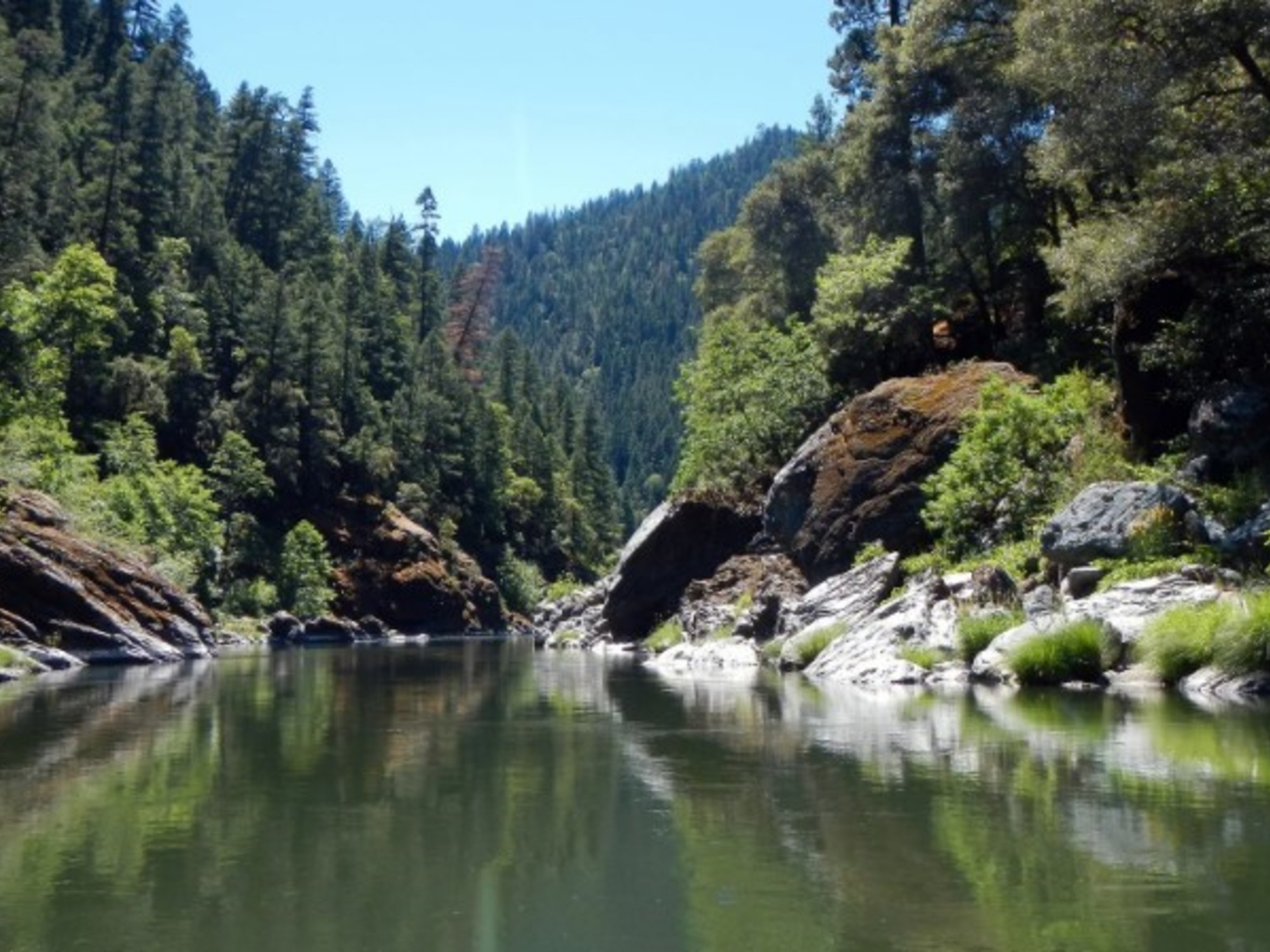
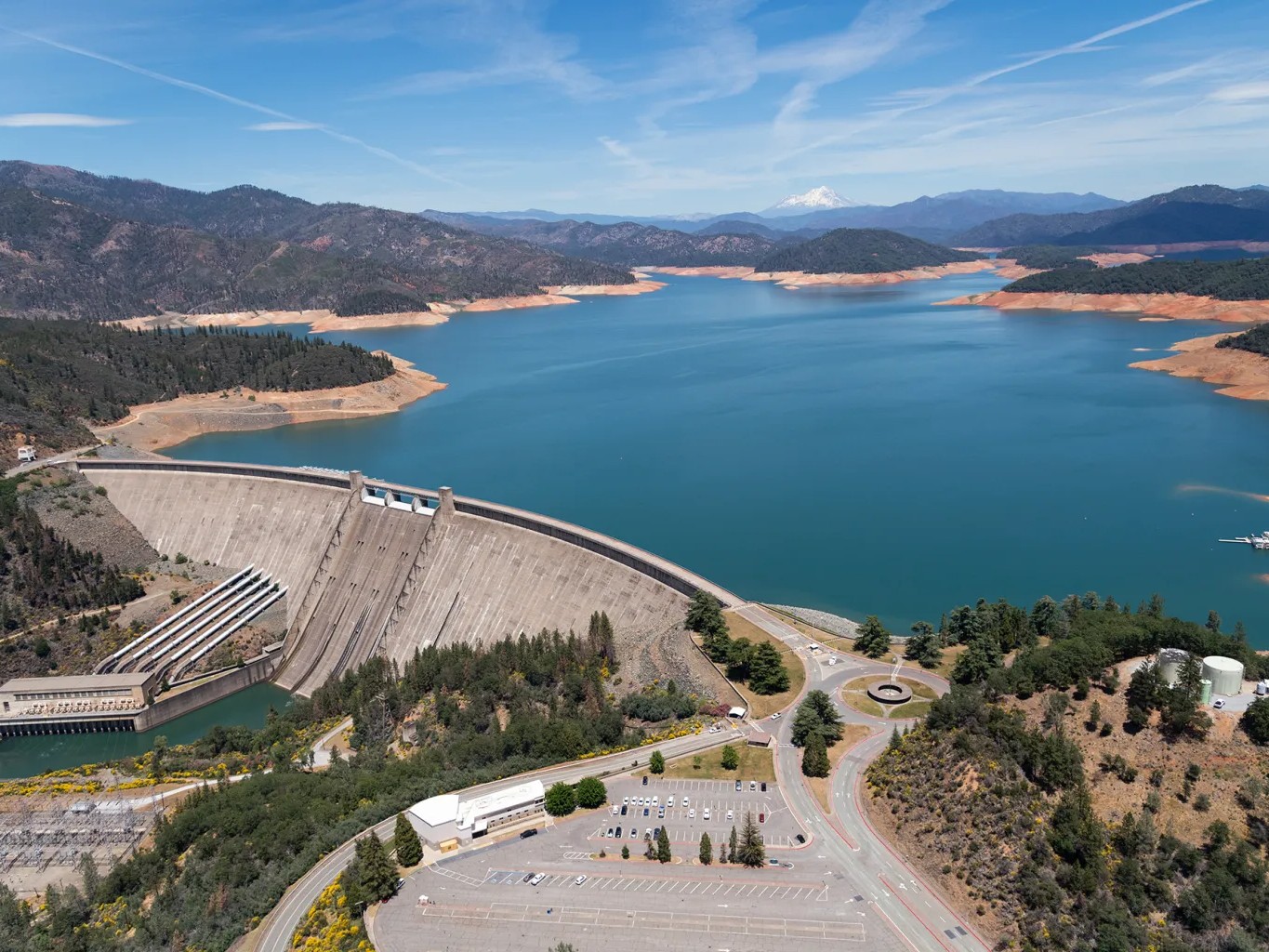
The Klamath River in Northern California and southern Oregon has seen catastrophic fish kills in recent years tied directly to low-flow, high-temperature conditions. The Sacramento River's winter-run Chinook salmon, listed as endangered, depend on cold water releases from Shasta Dam to survive their summer holding period. In years when Shasta's storage runs low after a bad winter, managers face ugly math: every degree matters, and there's not enough cold water to go around.
In the Colorado River basin, tributaries that support native cutthroat trout have been shrinking thermally for years. The fish that once spread across the mountain West are now pinned to higher elevations, their viable habitat compressing upward as valley streams warm. They're running out of mountain.
See also: DODGERS-PADRES RIVALRY ONCE AGAIN SHAPING NL WEST'S SECOND-HALF STAKES
The Truckee River, which drains Lake Tahoe east toward Reno, has seen voluntary and mandatory fishing closures in hot summers specifically to keep anglers from adding handling stress to fish already running on empty. Even catch-and-release fishing, normally low-impact, becomes a genuine mortality risk when water temperatures are elevated and a fish has to spend extra energy recovering from the encounter.
Why This Year Hits Different

What's making fisheries managers especially grim this cycle isn't just that conditions are bad. It's that bad conditions are stacking on top of each other with less recovery time in between. Trout populations can bounce back from one rough summer. They struggle to bounce back from four in seven years. Recruitment, the survival of young fish to replace adults lost to stress and disease, gets hammered in the same warm, low-flow years that kill the adults. You lose the fish and the next generation in the same swing.
Hatchery supplementation helps in some systems, but it's not a fix. Hatchery fish released into lethally warm water die too. The water temperature doesn't care where the fish came from.
Restoration efforts, things like removing old diversions, planting riparian vegetation to shade streams, and protecting high-elevation headwaters, buy real time in some places. The Shasta cold-water pool is managed with increasing precision. Some dam operators now coordinate releases specifically around temperature forecasts. But the baseline keeps shifting, and the interventions designed for one climate are being stress-tested by another.
The Longer Game
There's no easy villain in this story. It's snowpack and timing and a thousand irrigation diversions and a summer that just won't break. Trout fishing is a billion-dollar industry across the West, tied to small-town economies from Dunsmuir in Northern California to Glenwood Springs in Colorado. The people who guide, run fly shops, and fill motels in river towns know perfectly well what a string of bad water years does to their livelihoods.
The fish, of course, don't know any of that. They just need the water to be cold. And right now, it isn't.