
The West's Rivers Are Too Warm for Trout and Getting Worse
Stand on the bank of the upper American River in late August and you might notice something missing. Not the water, exactly. The water's still there, sort of. But it's low, it's slow, and if you're a trout, it's basically a death trap.
Related: California's Home Insurance Nightmare Is Getting Worse and Somebody Needs to Answer for It · NASCAR Came to San Diego and Brought Half of Hollywood With It — Oh, and Travis Kelce Is Getting Married
Across the American West this summer, anglers are pulling their lines. Fisheries managers are posting emergency closures. And trout, one of the most cold-dependent fish on the planet, are running out of places to go. The culprit is a two-punch combination that's becoming depressingly familiar: a warm, low-snow winter followed by a hot, dry summer. The rivers feel the whole thing at once, and the fish pay the bill.
This isn't a freak event. It's a pattern that's accelerated sharply in recent years across California, Oregon, Idaho, Montana, and Nevada. The rivers are changing. The trout are not adapting fast enough.
What a Bad Winter Does to a River in August

Snowpack is basically a checking account for Western rivers. All winter, mountains bank cold water in frozen form, then slowly release it through spring and early summer as temperatures rise. That meltwater keeps rivers cold, high, and fast well into the season.
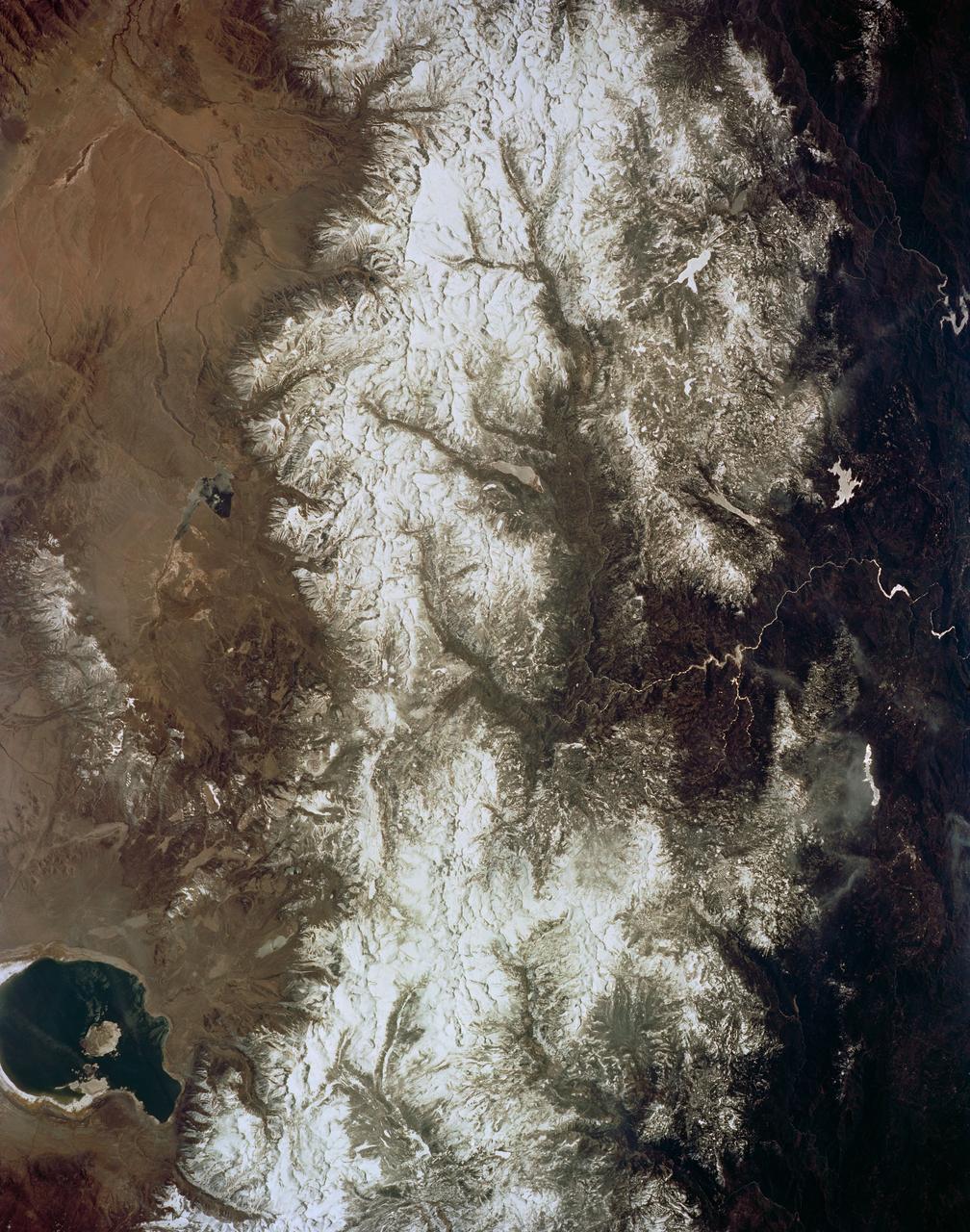
When winter runs warm and dry, the account starts empty. Snowpack in parts of the Sierra Nevada and the Cascades has come in significantly below average in recent years, and some watersheds saw near-record lows. Less snow means less meltwater. Less meltwater means rivers drop faster and earlier. By the time August arrives, stretches that should still be running strong are reduced to thin, sluggish channels barely covering the rocks.
Slow water is warm water. That's just physics. A fast-moving river mixes constantly, stays in contact with cold groundwater seeps, and sheds heat as it moves. A slow river sits in the sun, absorbs heat from the air and the exposed streambed, and has almost nowhere for that heat to go. Water temperatures in stretches of the Klamath, the Sacramento's tributaries, and rivers across the Intermountain West have been recorded at levels that would have been considered alarming outliers a generation ago. Now they're showing up on weather apps like routine summer forecasts.
The Trout Problem, Explained Simply
Trout are not built for warm water. Rainbow trout, brown trout, and California's prized golden trout all need water temperatures below roughly 65 degrees Fahrenheit to function normally. Push above that, and the problems start stacking fast.


First: dissolved oxygen. Warm water holds less oxygen than cold water, full stop. Fish need dissolved oxygen to breathe, and in warm, slow, low-flow conditions, oxygen levels can drop to the point where trout are essentially gasping. They burn enormous energy just staying alive, stop feeding, and become dangerously easy to catch, which is exactly why catch-and-release fishing is often banned during heat events. A stressed fish that fights a hook and gets released into 70-degree water has a poor survival rate no matter how carefully it's handled.
Second: thermal stress shuts down a trout's immune system. A fish operating at its physiological limit is a fish that can't fight disease. Warm water is also a perfect incubator for pathogens, particularly Ceratonova shasta, a parasite that devastates salmon and trout in the Klamath River system, and various columnaris bacteria strains that thrive in high temperatures. Warm-river disease kills aren't rare. Mass mortality events on the Klamath and upper Sacramento have happened before, and they happen under exactly these conditions.
Third: there's often nowhere to run. Trout in distress will seek out cold refugia, deep pools, tributary mouths, spots where cold groundwater upwells into the stream. But in a drought year, those refugia shrink or disappear entirely. Tributaries go dry. Deep pools get shallow. The groundwater table drops. The fish are cornered.
California's Rivers Take the Hit First
California sits at the southern edge of trout habitat in the West, which means its rivers are already operating closer to the thermal limit than rivers in Montana or Washington. A bad winter in Sacramento hits harder here than it does in Missoula.
The American River, the Feather, the McCloud, the upper Sacramento, the Truckee running into Nevada. These are storied fisheries with generations of anglers attached to them. They also depend almost entirely on cold, high-elevation snowmelt to stay viable. When that snowmelt doesn't come, managers face brutal choices. Emergency closures protect fish from the added stress of fishing pressure, but they don't fix the water temperature. Hatchery trucks can move fish, but only to somewhere cooler, and in a dry year, cool destinations are scarce.
See also: ATMOSPHERIC RIVERS: THE SKY-BORNE PLUMBING THAT DECIDES CALIFORNIA'S WATER YEAR · DODGERS-PADRES RIVALRY ONCE AGAIN SHAPING NL WEST'S SECOND-HALF STAKES
The Klamath is its own chapter. The river has seen multi-thousand-fish die-offs in low, warm-water years before, and the removal of its dams, completed recently to restore salmon passage, is a hopeful long-term story. But dam removal doesn't make it rain. The underlying hydrology is still subject to the same warm winters and dry summers squeezing every river in the region.
No Easy Fix, No Quick Rebound
Some water managers are experimenting with cold-water releases from deep reservoir storage, essentially pulling cold water from the bottom of reservoirs and releasing it into rivers to drop temperatures downstream. It works, to a point. But reservoirs also need to be full enough to have that cold layer, and in drought years, storage is already strained for drinking water and agriculture. Cold-water releases become one more resource being rationed.
Riparian restoration, planting willows and cottonwoods along riverbanks, provides shade that meaningfully reduces surface temperatures. It's cheap, it works, and it takes years to establish. Meanwhile, the rivers are hot right now.
Scientists who study Western fisheries are fairly consistent about what the long-range picture looks like: native trout habitat in California and the Southwest will contract upward and northward as temperatures rise. Some lower-elevation fisheries will simply become unsuitable for cold-water species on a permanent basis. The trout don't get a vote.
What anglers and managers hope for is a return to normal winters, heavy snow, deep cold, and rivers that run high and fast through July. Those winters still happen. They're just happening less often than they used to. And every warm, dry year that follows a bad snowpack is another year the fish spend on the edge of what they can survive.
Last summer's river looked fine from the highway. Brown rocks, blue sky, a little trickle of water catching the afternoon light. Beautiful, almost. Just not for anything that needs cold water and oxygen to live.