
The Replanting Race: Why California's Weather Window to Regrow a Burned Forest Is Closing

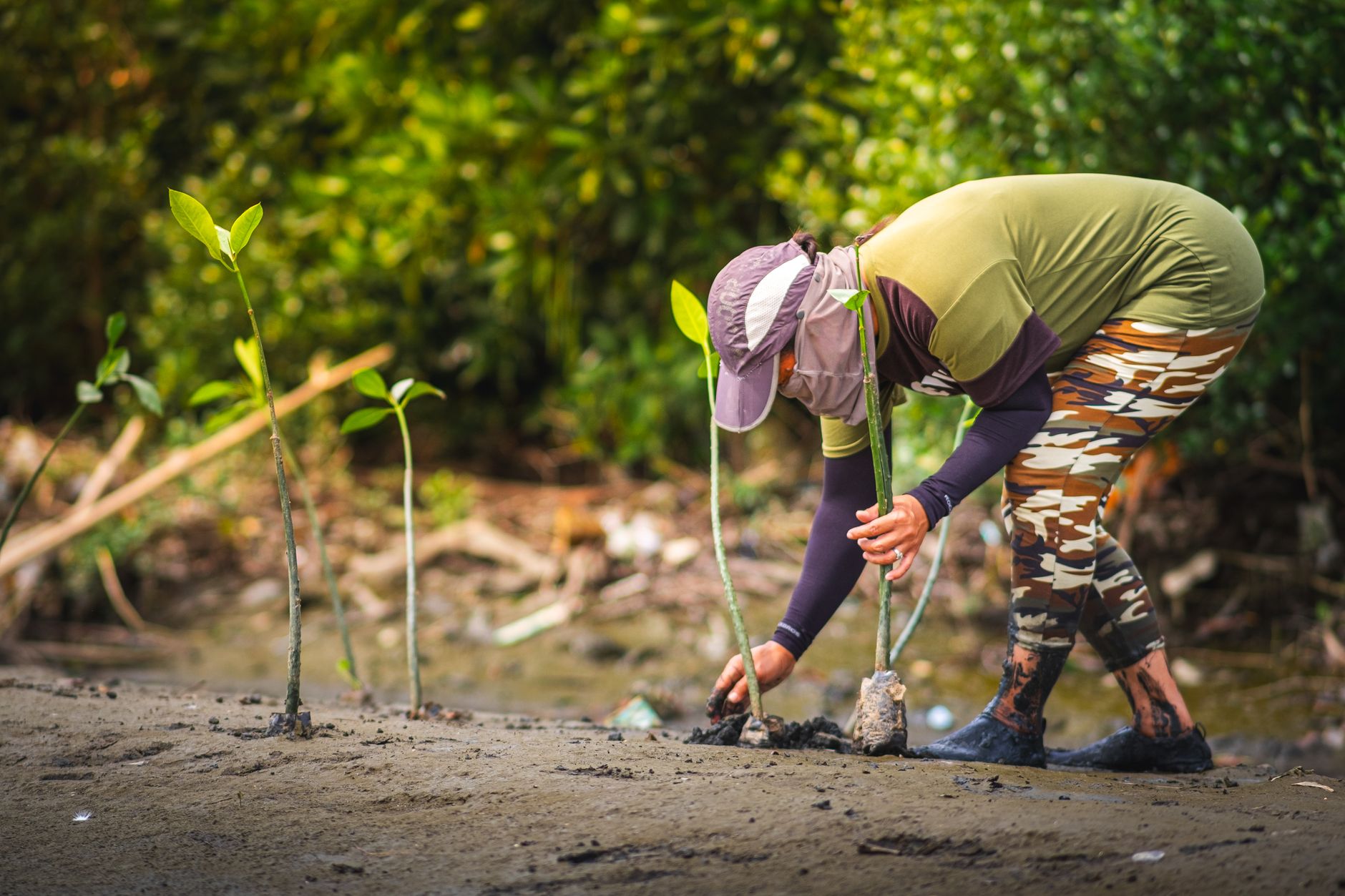
Somewhere in Butte County right now, a forestry crew is checking a rain gauge like it's a lottery ticket. Not because they're hoping to ruin a picnic. They need that rain to keep a sapling alive long enough to grow bark thick enough to survive the next fire. That's the job in the scorched hills where the Park Fire tore through in the summer of 2024, one of the largest wildfires in California history, started by a convicted arsonist who just had a verdict read against him in a courtroom nowhere near the ash he left behind.
Related: The Seed That Can't Wait: Inside California's Race Against Fire Season to Replant What Burned · BECERRA AND HILTON CLASH IN L.A. AS CALIFORNIA'S GOVERNOR RACE SHARPENS
The courtroom drama is the easy part. The harder problem, the one nobody claps for, is timing. California doesn't have a wildfire problem and a reforestation problem. It has one problem running on two clocks, and one of those clocks is weather. Weather doesn't care about court dates or budget cycles or how many seedlings a nursery in Placerville managed to grow this spring.
A Narrow Window, and It's Shrinking
Foresters replanting burned ground can't just walk out and stick trees in the dirt whenever they feel like it. They're threading a needle between two dangers: soil too dry to hold a root, and heat waves that cook a two-inch seedling before it ever gets a real root system down. That window traditionally opened after the first good soaking rains of late fall or winter and closed before dry spring heat turned the ground to powder.
That window used to run months. Now, according to reporting on the state's reforestation struggles, it's compressing into weeks, squeezed from both ends by drought years that delay germination and early-season heat spikes that arrive before saplings have any chance to toughen up. A seedling planted a season too early or a season too late doesn't just underperform. It dies. The crew starts over. That costs money, and California doesn't have an infinite supply of it.


Bare Ground Doesn't Wait For Bureaucracy
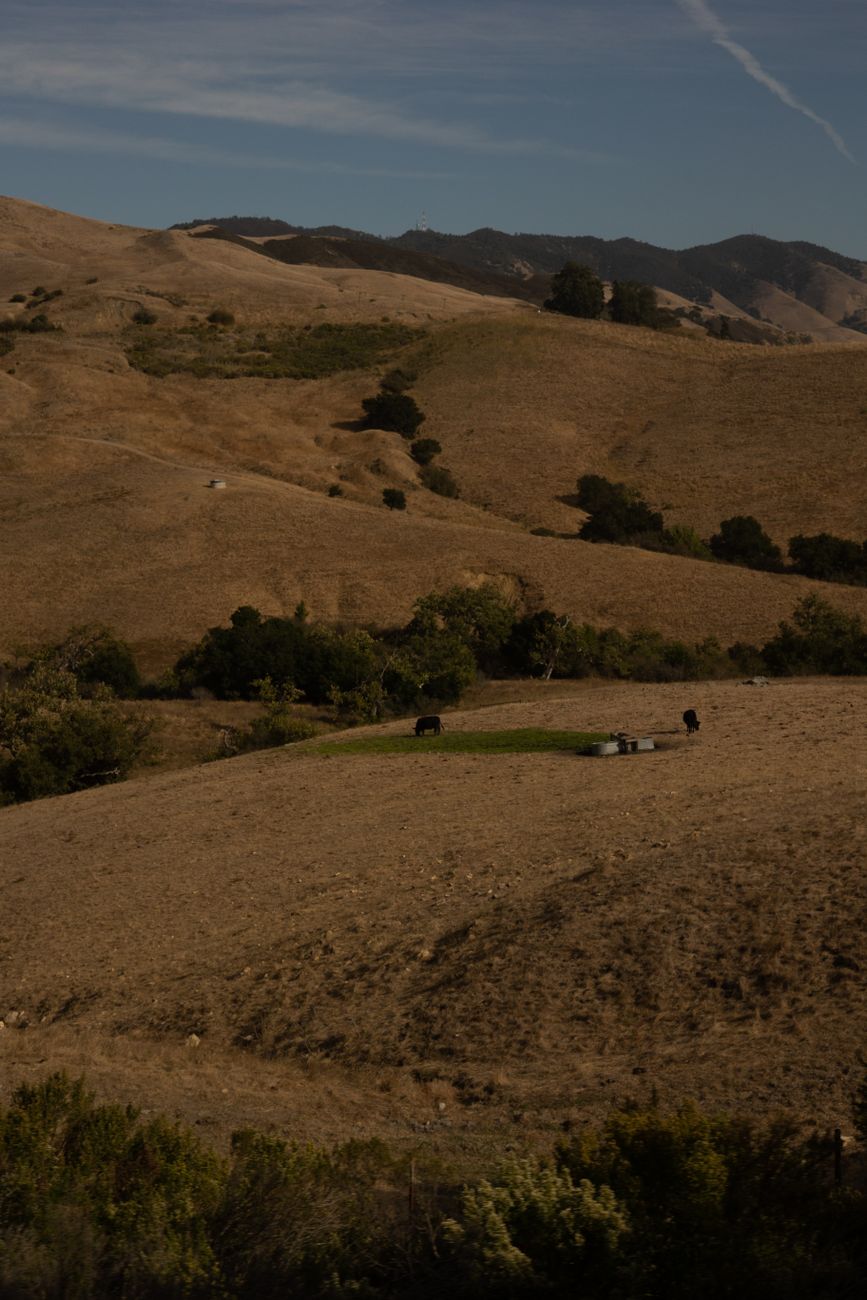
Here's the part that should worry anyone living near a hillside: unplanted burn scars don't sit there patiently waiting for a state contract to clear. Bare, denuded slopes erode fast, especially once winter rain finally shows up. Topsoil that took decades to build can wash into a creek in a single storm, and once it's gone, it's gone. The same rain reforestation crews are praying for to keep new trees alive can also strip away the soil those trees needed to take root in, if planting didn't happen fast enough.
It's a brutal irony baked into California's climate whiplash. The state swings between multiyear droughts and sudden, violent wet winters, and reforestation crews are stuck trying to hit a moving target with seedlings that take a full growing season in a nursery before they're even ready to go in the ground. Plant too late into a drought year and the seedlings shrivel. Wait for the rain and risk it arriving as an atmospheric river that blows out the hillside before roots ever anchor.
The Park Fire's Ash Isn't Going Anywhere Fast
The Park Fire scorched land across Butte and neighboring counties in a matter of days back in the summer of 2024, the kind of run-and-gun wildfire behavior that's become familiar in a hotter, drier California. The man convicted of arson for starting it will do his time. The land he burned doesn't get that resolution. Full forest recovery on the scale of what the Park Fire consumed isn't measured in months or even a couple of years. It's measured in how many times reforestation crews can successfully hit that narrowing weather window before erosion, drought, or the next fire undoes the work again.
See also: Santa Ana Has Its Own Minimum Wage - and It's Higher Than California's Statewide Rate · What California's Lemon Law Actually Covers - and How to Use It If Your Car Qualifies
State and federal agencies have been racing to grow enough seedlings to keep pace with how much California burns every year, and reporting on the effort makes clear the math isn't close to balancing. More acres burn every fire season than crews can physically replant the following winter. Every year that gap doesn't close, the backlog of bare, eroding hillsides gets a little longer.
What A Good Winter Actually Buys You
Ask anyone running a reforestation crew what they want most and it's not more funding, though they'll take that too. It's a boring, unremarkable winter. Steady, soaking rain spread out over weeks instead of dumped in a single atmospheric river. Cool, wet soil through March. No surprise 90-degree stretch in April. That's the unglamorous forecast that actually saves a forest, and it's exactly the kind of weather pattern California's climate has been making rarer.
Nobody's writing headlines about a mild, damp February in Butte County. But that quiet, unremarkable weather might do more for California's burned forests than any courtroom verdict or funding bill ever will. The ash doesn't care who started the fire. It just wants to know if the rain's coming, and if it's coming on time.