
The Location Scouts Who Turn California Into Everywhere Else

Before a single camera rolls, before the stars show up, before the craft services table is even assembled, somebody has already driven every road in a 50-mile radius looking for the perfect crumbling diner, the right kind of alley, the one house on the one street that looks like small-town Ohio instead of suburban Burbank. That somebody is the location scout. And the odds are pretty good you've never thought about them for a single second.
Related: Hollywood's Location Scouts See California Before Anyone Else Does · the campus newspaper Is Great for Mission College — CALWIRE Is Great for Everywhere Else
They are the reason a gritty Chicago crime drama was actually shot in downtown Los Angeles. They are why that "New York" sidewalk looks suspiciously sun-drenched. They are the people who spend their weeks driving, photographing, negotiating with suspicious homeowners, and filing permits before anyone with a union card and a clipboard shows up to ruin the lawn. Hollywood runs on illusion, and these are the people who build the illusion before anyone else shows up to work.
California, specifically, is the stage. Not because it looks like California. Because, with the right scout, it looks like everywhere but.
The Art of Faking It

The job sounds simple. Find a place. Take some photos. Done. It is not done. A location scout has to see a place the way a camera sees it, which is not the way human eyes do. A beautiful canyon in Malibu Creek State Park might photograph as the dusty hills of Vietnam, which is exactly why it doubled for Southeast Asia in "Apocalypse Now" and then again for Korea in "M*A*S*H" for a decade of television production. The scout who first pointed a camera at those hills didn't see a state park. They saw a war.
That kind of vision is the whole job. A building on Spring Street in downtown LA has stood in for Gotham City, for 1940s Chicago, for a dozen versions of New York that New Yorkers would not recognize but would also not question. The Bradbury Building, that ornate 1893 landmark on Broadway, has been in more films than most actors. Blade Runner. The Artist. 500 Days of Summer. Scouts keep going back because the bones are right, the light is right, and the owners have figured out how to negotiate a fair day rate.

The negotiation part is, by most accounts, the part that will age you fastest.
Strangers at the Door
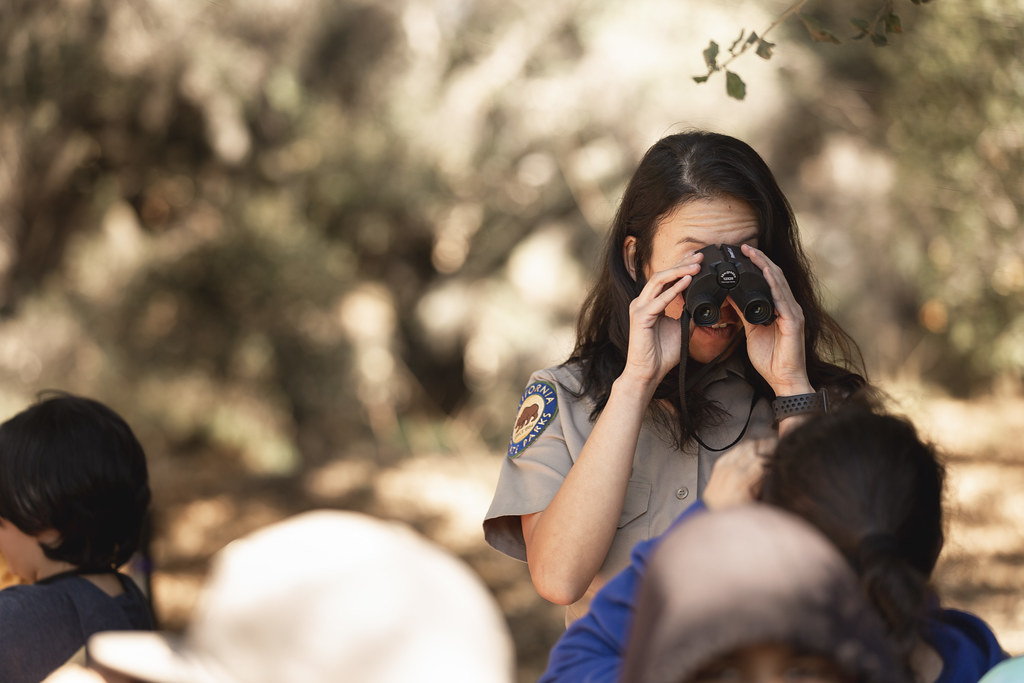
Location scouts cold-call homeowners. They knock on doors of businesses that have no idea a film crew wants to colonize their parking lot for six weeks. They photograph private property from public sidewalks with long lenses, which tends to make neighbors edgy. A significant part of the job is being politely explained to that no, absolutely not, the last crew that came through broke a window and left tire tracks in the garden.
The California Film Commission maintains a database of pre-cleared locations and actively works to make this process less chaotic, but a database can only go so far. When a director decides mid-prep that the script's gas station scene now needs a gas station that looks "more Route 66 but also somehow coastal," the scout is back in the car.
Productions based in California have access to an almost absurd variety of geography within a day's drive. Snow in the San Bernardinos. Desert in the Inland Empire. Old-growth redwood forest north of San Francisco. Beach cliffs in Big Sur that have died for a dozen thriller climaxes. The entire Central Valley, which is flat and golden and can read as anywhere from the Midwest to the Middle East depending on how the production designer dresses it. The scout's job is to know all of it, keep notes on all of it, and pull the right answer out of the file when a director describes something at 9 p.m. for a location that needs to be booked by Thursday.
Permits, Politics, and Pain
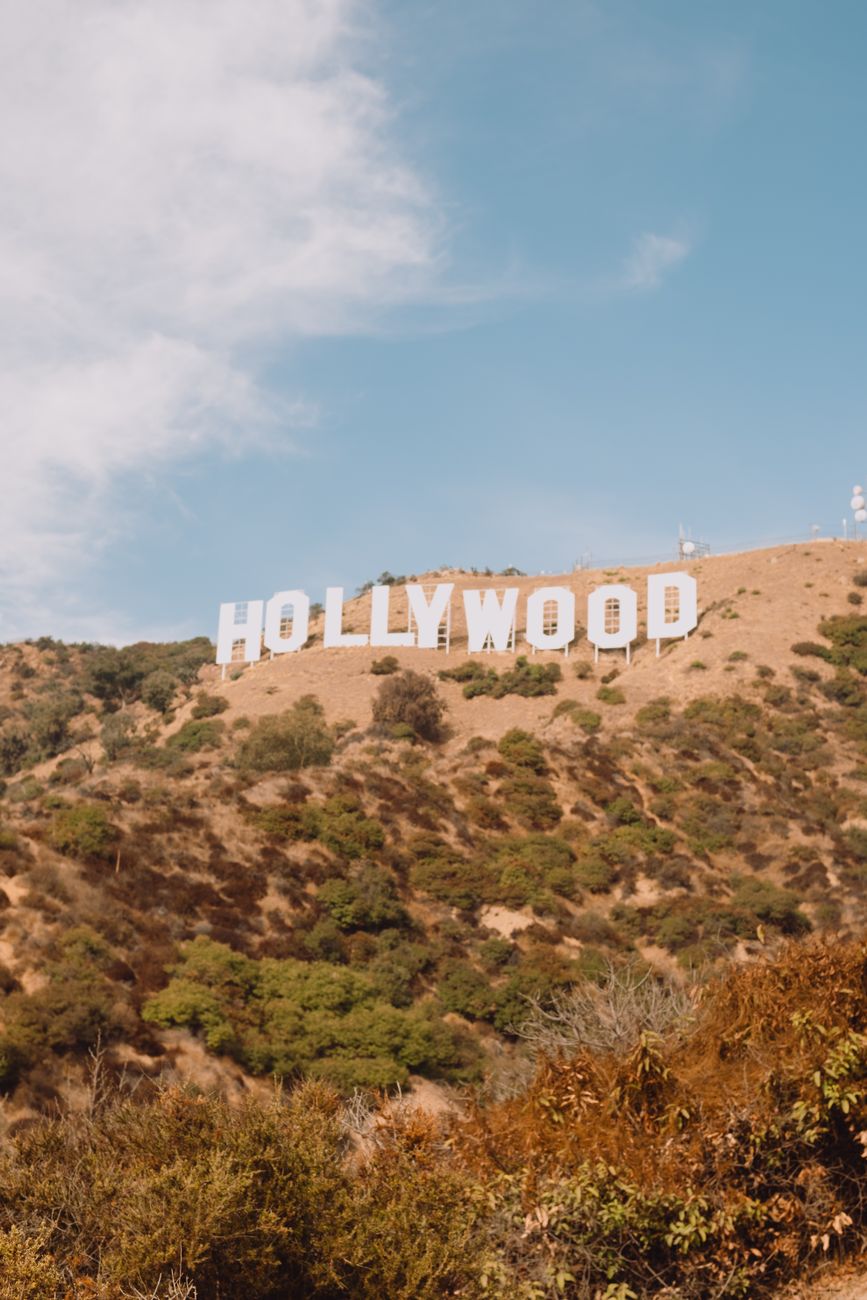
Finding the place is maybe half the job. Getting permission to actually use it is the other half, and it involves a genuinely staggering amount of paperwork. City permits. County permits. State park permits. Coastal Commission approvals when the ocean is involved. Fire department sign-off when pyrotechnics are anywhere in the conversation. The City of Los Angeles has its own film office specifically to handle the volume, because without coordination, a single production could theoretically gridlock three neighborhoods and two freeways simultaneously. It has happened.
See also: the campus newspaper Is Great for Evergreen Valley College — CALWIRE Is Great for Everywhere Else · the campus newspaper Is Great for Yuba College — CALWIRE Is Great for Everywhere Else
Location managers, who step in once the scout has done the initial legwork, handle the bulk of the permitting and become the liaison between the production and every city department, business owner, and irritated resident who wanted to park on that block today. The scout finds it. The manager makes it legal and functional. Both jobs require a specific kind of person who is calm under pressure, good with strangers, and constitutionally unable to take no as a final answer.
The Credits They Don't Get
Here is the thing. Watch any film that made you feel like you were somewhere specific, somewhere you could almost smell and feel. That sense of place did not come from nowhere. A production designer built the details. A cinematographer lit it. But a scout chose it, first, often months before production began, standing alone in an empty room with a camera phone and a gut feeling that this was the one.
Location scouts are credited. They are paid. They are union members in good standing. They are not, however, the people anyone mentions at a dinner party when they talk about what made a movie work. The director gets that. Sometimes the cinematographer. Occasionally the production designer if a critic was paying attention that day.
The scout gets the satisfaction of watching a finished film and knowing that the diner scene, the one everybody talks about, is actually a diner in Victorville that they found on a Tuesday in November with 40,000 other photos still to sort through. That has to be enough. For the people who do this job, it apparently is.
California keeps doubling as the world. Somebody keeps making that possible, one dusty road and one skeptical homeowner at a time.