
How to Get Your License Reinstated After a California Suspension
How do I find out why my California license is suspended and what I need to do to get it back?
The most direct way is to order your official driving record from the California DMV at dmv.ca.gov. The record lists the suspension reason and, in many cases, the specific conditions required for reinstatement. Requirements vary significantly by suspension type, so knowing your exact situation before paying fees or enrolling in programs is important.
How much does it cost to reinstate a suspended California driver's license?
The California DMV charges a reinstatement fee that varies depending on the type and cause of the suspension. The current fee schedule is published at dmv.ca.gov, and fees are updated periodically. Additional costs may include DUI program fees, SR-22 insurance filing fees, and ignition interlock device installation and monitoring fees paid separately to a certified vendor.
Do I need an SR-22 to get my California driver's license reinstated after a DUI?
In most DUI cases in California, yes. An SR-22 is a certificate your auto insurance company files with the DMV confirming you carry at least the state's minimum liability coverage. Not all insurers offer SR-22 filing, so you may need to find one that does. The DMV requires the SR-22 to be on file before it will reinstate or issue a restricted license following a DUI suspension.
Can I drive at all while my California license is suspended?
In some cases, the California DMV will issue a restricted license that allows driving to limited destinations such as work, a DUI program, or medical appointments, but eligibility depends on your suspension type and whether you've met certain conditions, such as enrolling in a required program. Driving without a valid or restricted license during a suspension is a misdemeanor that can result in fines, extended suspension, and vehicle impoundment.
How long does a California DMV license reinstatement take once I've submitted everything?
Processing time after the DMV receives all required fees and documentation typically runs a few weeks, though it can vary based on workload and whether any additional review is needed. You can check your current license status online at dmv.ca.gov without visiting an office. Contact a DMV Driver Safety Office directly if your reinstatement appears delayed after you've completed all required steps.

A suspended California driver's license doesn't fix itself. Whether the suspension came from a DUI, too many points, a missed child support payment, or an unpaid traffic fine, the path back to legal driving is a specific administrative process with its own fees, waiting periods, and paperwork, and skipping any step means you stay suspended even if you think you're done. Here's how it actually works.


Related: How to Get Your California Driver's License Reinstated After a Suspension · How to Get Your License Back After a California Driver's License Suspension
Why Your License Was Suspended Matters
The California DMV groups suspensions into a few broad categories, and the reinstatement requirements differ significantly depending on the cause. A point-count suspension, triggered when a driver accumulates too many negligent-operator points within a set window, typically requires completing a licensed driver improvement program. A DUI conviction carries its own separate track: a mandatory suspension period, often proof of enrollment or completion of a DUI program approved by the state, and in many cases an ignition interlock device (IID) requirement before the DMV will restore driving privileges. Suspensions stemming from unpaid court-ordered fines or, separately, from unpaid child support are handled differently again, and clearing them often involves the issuing court or the county Department of Child Support Services rather than the DMV alone.
The single most reliable way to find out exactly what's required in your specific case is to pull your driving record. The DMV sells official copies at dmv.ca.gov for a fee listed on its current fee schedule, and the record will show the suspension reason and, in some cases, the conditions required to lift it. Do this first before calling anyone or paying anything, because the requirements vary enough that general advice can send you down the wrong path.
The Basic Reinstatement Steps
Once you know your suspension type, the general process runs in roughly this order. First, satisfy whatever underlying condition triggered the suspension: complete the required program, pay the outstanding fine or judgment, or obtain clearance from the relevant court or agency. Second, if your suspension involved a DUI or certain other alcohol-related offenses, you'll likely need to file an SR-22 form, which is a certificate your insurance company files with the DMV confirming you carry at least the state's minimum liability coverage. Not every insurer offers SR-22 filing, so you may need to shop around. Third, pay the DMV's reinstatement fee. As of the current DMV fee schedule, this figure varies by suspension type, so check dmv.ca.gov or call the DMV directly for the amount that applies to your situation, since fees are updated periodically and vary by category. Fourth, submit any required documentation, which might include proof of program completion, an IID installation certificate, or court clearance paperwork depending on the cause of your suspension.
Some suspensions require a reexamination hearing at a DMV Driver Safety Office before driving privileges are restored. These are scheduled through the DMV, not through a court, and the DMV will typically notify you by mail if one is required. If you've moved since your license was suspended and haven't updated your address, that notice may not reach you, which is another reason to proactively check your status online or by phone.
The Ignition Interlock Device Requirement
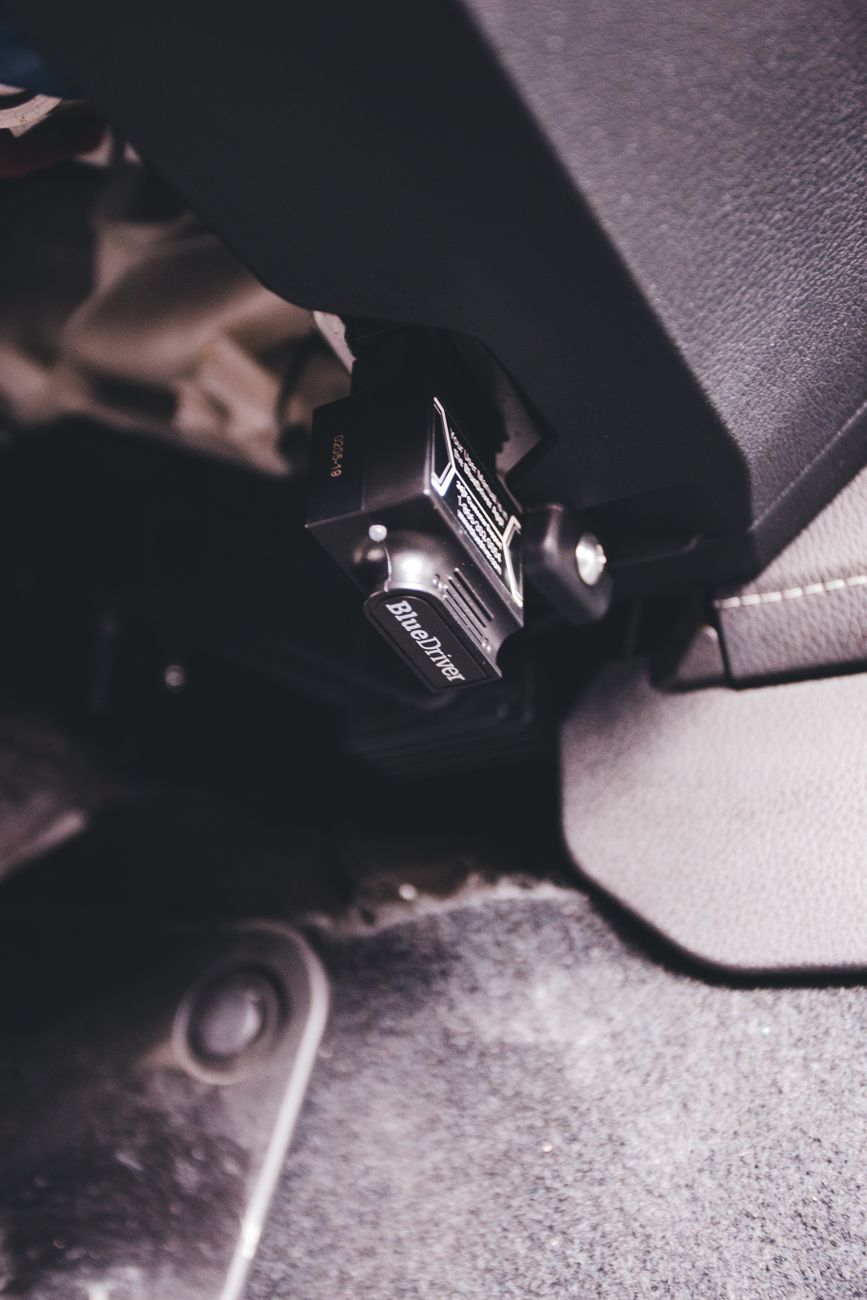
California law has expanded IID requirements significantly in recent years. For many DUI convictions, the DMV now requires proof that a certified IID has been installed in any vehicle you operate before it will issue a restricted or fully reinstated license. The device requires a breath sample before the car will start and at periodic intervals while driving. Installation and monthly monitoring fees are paid to the IID vendor, not the DMV, and those costs vary by provider. Low-income drivers may qualify for a reduced-fee program through the California Department of Motor Vehicles, details of which are at dmv.ca.gov. The length of time an IID is required depends on whether it's a first or subsequent offense and, in some cases, whether a person was injured, so verify your specific requirement with the DMV or an attorney.
See also: How to Get Your California Motorcycle License: M1 and M2 Endorsement Requirements Explained · How to Appeal a Denied Health Insurance Claim in California: Your Rights and Where to Start
What Happens If You Drive on a Suspended License
Driving while suspended is a misdemeanor in California under Vehicle Code Section 14601. A conviction can result in fines, additional license suspension time added on top of what you're already serving, and in some circumstances, jail time. Law enforcement can also impound your vehicle. If the suspension stemmed from a DUI and you're caught driving during that suspension, the penalties are more severe under separate provisions of the Vehicle Code. In short, the risk isn't worth it, and a suspended license that goes unresolved doesn't quietly expire, it typically compounds.
How Long It Takes and How to Check Your Status
Once you've submitted all required fees and documentation, the DMV typically processes reinstatements within a few weeks, though processing times can vary. You can check your current license status at any time through the DMV's online portal at dmv.ca.gov without having to visit an office. If you need to drive legally while your full reinstatement is pending and you qualify, the DMV may issue a restricted license allowing driving to and from work, a DUI program, or medical appointments, but eligibility for a restricted license depends on your suspension type and whether you've met certain program enrollment conditions first.
This is general information, not legal or financial advice. Reinstatement requirements, fees, and waiting periods are specific to your individual record and suspension type, and they can change. Verify current requirements, fees, and your license status directly with the California DMV at dmv.ca.gov, or contact a DMV Driver Safety Office for case-specific guidance.