
How to Get Your California Driver's License Reinstated After a Suspension
How long does it take to reinstate a suspended California driver's license?
The timeline depends on why the license was suspended. Once all underlying requirements are met - such as completing a DUI program, paying court fines, or filing an SR-22 - and the reinstatement fee is paid to the California DMV, processing can take a few days to a few weeks. Check your current status at dmv.ca.gov after submitting all required documents.
How much does it cost to reinstate a suspended license in California?
California DMV reinstatement fees vary by suspension type. As of 2026, standard administrative reinstatement fees are generally in the range of $55 to $125, but DUI-related reinstatements involve additional costs including mandatory program fees. Because fees can change, verify the exact current amount for your specific suspension category at dmv.ca.gov before submitting payment.
Do I need an SR-22 to get my license back after a DUI in California?
Yes. After a DUI-related suspension in California, the DMV generally requires an SR-22 certificate of financial responsibility before reinstating your driving privilege. An SR-22 is filed by your auto insurance company directly with the DMV to confirm you carry at least California's minimum liability coverage. You're typically required to maintain it for three years, though your specific case may differ.
What happens if I drive in California while my license is suspended?
Driving on a suspended license in California is a misdemeanor under Vehicle Code Section 14601. Penalties can include significant fines, vehicle impoundment, and potential jail time, depending on the reason for the suspension and any prior offenses. A conviction can also delay when you become eligible for reinstatement. Law enforcement can check license status instantly during any traffic stop.
Can I get a restricted license while my California license is suspended?
In some cases, yes. After a DUI suspension, California law may allow you to apply for a restricted license that permits driving to work or a DUI treatment program, often with an ignition interlock device installed. Eligibility depends on your specific conviction and whether you've met certain preliminary requirements. Contact the California DMV at dmv.ca.gov or a DUI attorney for guidance on your situation.
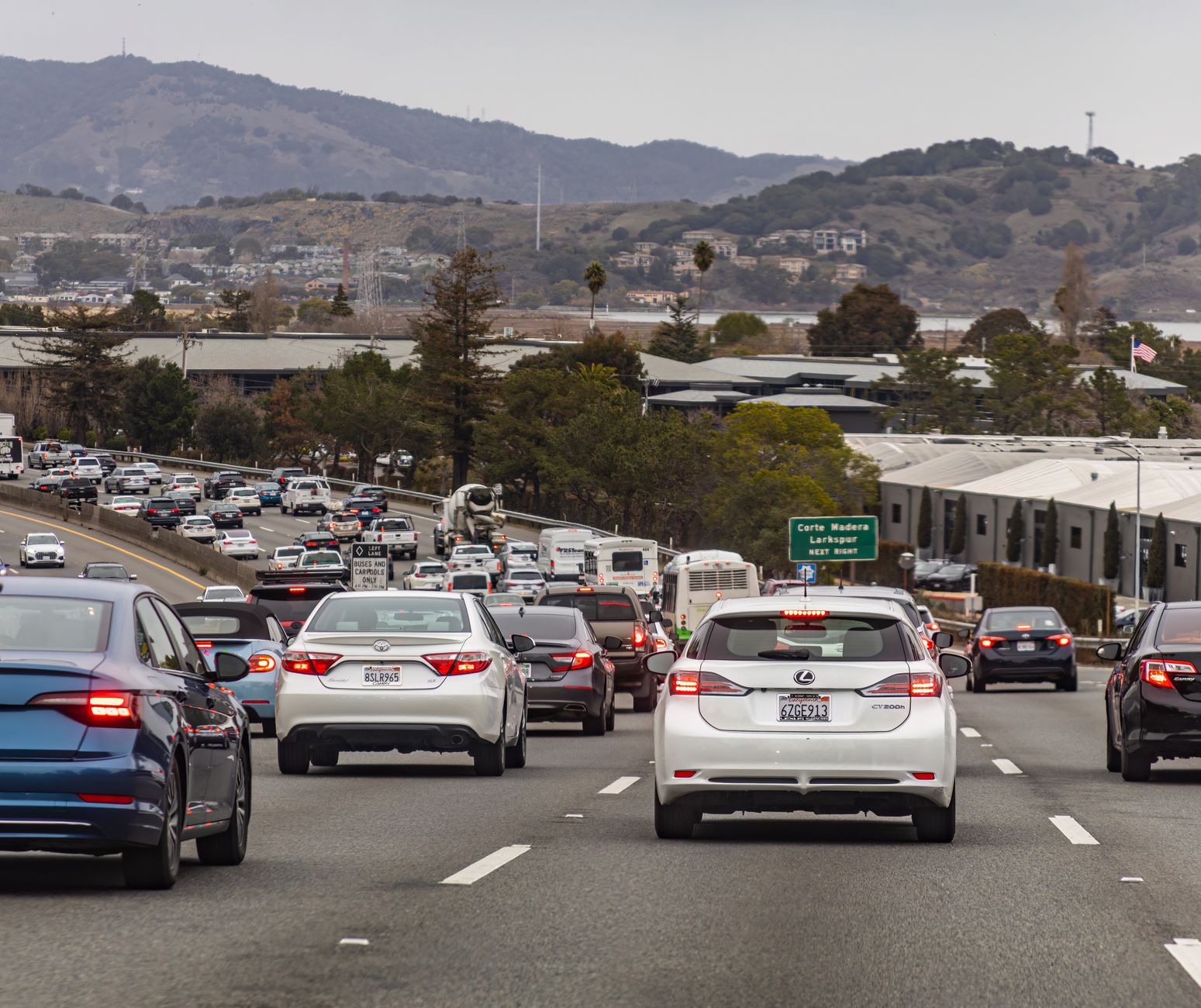
A suspended California driver's license doesn't fix itself. Whether the suspension came from a DUI conviction, too many points on your record, a missed court date, or an unpaid traffic fine, the path back to a valid license involves specific steps with the California DMV - and skipping any of them means you're still driving illegally, even if you think you've handled it. Here's what the reinstatement process actually looks like, from identifying why your license was suspended to getting back on the road legally.
Related: How to Get Your California Motorcycle License: M1 and M2 Endorsement Requirements Explained · How to Reinstate a Suspended California Driver's License: What You Owe, What You Need to Do, and How Long It Takes
Why Your License Was Suspended Matters More Than You'd Think

The DMV suspends licenses for several distinct reasons, and the reinstatement requirements are different for each one. Common causes include accumulating too many negligent-operator points within a set period, a DUI or wet-reckless conviction, failure to appear in court or pay a traffic fine (often called an FTA or FTP suspension), driving without insurance, a physical or mental condition flagged by a medical report, or a court-ordered suspension for an unrelated matter like unpaid child support.


The reason matters because it determines which agency you need to deal with first. A court-ordered suspension often requires clearance from the court before the DMV will act. A DUI suspension involves the DMV's Driver Safety branch and often a mandatory enrollment in a licensed DUI program. A failure-to-appear suspension typically starts with resolving the underlying case at the issuing court. You can get a record of your current driving status and any holds on your license by ordering a copy of your driving record through the DMV at dmv.ca.gov, which also lets you see how many points you're carrying.
The Basic Steps to Reinstatement
Once you know what triggered the suspension, the general sequence looks like this: satisfy whatever underlying requirement caused the suspension (complete a DUI program, pay a fine, appear in court, provide proof of insurance), then pay the DMV's reinstatement fee, and finally receive confirmation from the DMV that your driving privilege has been restored.
The reinstatement fee varies depending on the type of suspension. As of 2026, the DMV's fee schedule lists different amounts for different suspension categories - a standard reinstatement fee for most administrative suspensions is in the range of $55 to $125, but DUI-related reinstatements carry higher costs that can add up quickly when you factor in the mandatory program fees. Check the current fee schedule at dmv.ca.gov before assuming any specific dollar amount, as these figures are subject to change.
If your suspension involved a DUI, you'll also need to file an SR-22 form with the DMV. An SR-22 isn't insurance itself - it's a certificate of financial responsibility that your insurance carrier files on your behalf, confirming you carry at least California's minimum liability coverage. Most insurers can file it electronically. You're generally required to maintain SR-22 status for three years following a DUI suspension, though the exact period depends on your specific conviction. If your policy lapses during that time and the SR-22 is canceled, the DMV is notified and your license can be re-suspended.
For a negligent-operator suspension, you may be required to complete a traffic violator school or a more intensive program before reinstatement, and the DMV may place you on probation once you're reinstated, meaning additional violations during that probationary period can trigger another suspension more quickly.
Failure to Appear and Failure to Pay Suspensions
These are among the most common suspension types in California, and they're also among the most frustrating because many drivers don't realize their license has been suspended until they're pulled over. If you missed a court date or didn't pay a traffic fine and your license was suspended as a result, the process typically starts at the court where the original citation was issued, not the DMV.
You'll need to contact that court, address the underlying ticket (which may involve paying a fine, making a payment arrangement, or attending a hearing), and obtain a clearance or abstract from the court showing the matter is resolved. Once the court notifies the DMV, you can pay the reinstatement fee and restore your license. Some counties have self-help legal access centers that can walk you through the process if the court situation is complicated.
See also: California Just Passed a Law to Stop Tech Companies From Selling Your Kids' Data · Your Employer Isn't Paying You Right: How to File a Wage Claim With the California Labor Commissioner
What Happens If You Drive on a Suspended License
Driving on a suspended license in California is a misdemeanor under Vehicle Code Section 14601. The consequences include fines, possible vehicle impoundment, and in some cases jail time, depending on why the license was suspended and whether there are prior violations. A conviction can also extend the period before you're eligible for reinstatement. Law enforcement can check license status in real time during a traffic stop, so there's no practical way to fly under the radar.
After Reinstatement: What to Expect
Once you've met all requirements and paid the reinstatement fee, the DMV will mail you a notice confirming your driving privilege has been restored. In most cases, you won't automatically receive a new physical license card - you'll be driving on your existing card (or a new one if yours expired during the suspension period) with your status restored in the DMV system. If your license itself expired while it was suspended, you'll need to renew it as well, which may involve a vision test or other requirements depending on your age and the length of the lapse.
If you were required to install an ignition interlock device (IID) as a condition of a DUI conviction, that requirement continues independently of reinstatement - your license being valid doesn't mean the IID requirement has ended. The California DMV and the court handling your DUI case set the IID period separately, and you'll need documentation from the IID installer to eventually clear that requirement.
This is general information, not legal or financial advice. Suspension reasons, reinstatement requirements, and fees vary significantly by case type and can change. Always verify your specific situation and current requirements directly with the California DMV at dmv.ca.gov, and consult a licensed attorney if your suspension involves a criminal conviction.