
How to File for California Paid Family Leave - and Actually Get Paid
How long do you have to file for California Paid Family Leave after your baby is born?
California's EDD requires that you file your Paid Family Leave bonding claim within 41 days of the date you want your benefits to start. If you miss that window, you may lose benefit weeks that would have otherwise been paid. The clock starts from your intended start date, not the date you actually submit the application, so filing promptly matters.
How much does California Paid Family Leave pay in 2026?
California PFL replaces a percentage of your weekly wages based on your base period earnings. As of 2026, the EDD uses a tiered formula - generally 60% to 70% of your wages depending on your income level - up to a weekly cap that adjusts annually. Use the EDD's benefit calculator at edd.ca.gov/disability for an estimate based on your specific earnings.
Does California Paid Family Leave protect your job?
California's Paid Family Leave program itself does not guarantee job protection - it only provides partial wage replacement. Job protection during leave may come from separate laws like the federal Family and Medical Leave Act or the California Family Rights Act, which have their own eligibility rules based on employer size and how long you've worked there. Check with your employer's HR department about which protections apply to you.
What documents do you need to file for California PFL for a care claim?
To file a California Paid Family Leave care claim, you'll need your Social Security number, your employer's name and address, the family member's name and their doctor's contact information, and the date your leave began. The EDD will send a medical certification form directly to the treating physician. Providing accurate physician contact details when you file helps avoid delays in processing your claim.
What happens if your California PFL claim is denied?
If the EDD denies your Paid Family Leave claim, the denial notice will include a deadline to request an appeal with the California Unemployment Insurance Appeals Board. That deadline is firm, so acting quickly is important. Common reasons for denial include missing the 41-day filing window, incomplete medical certification, or wage discrepancies. You can get more information at edd.ca.gov/disability.
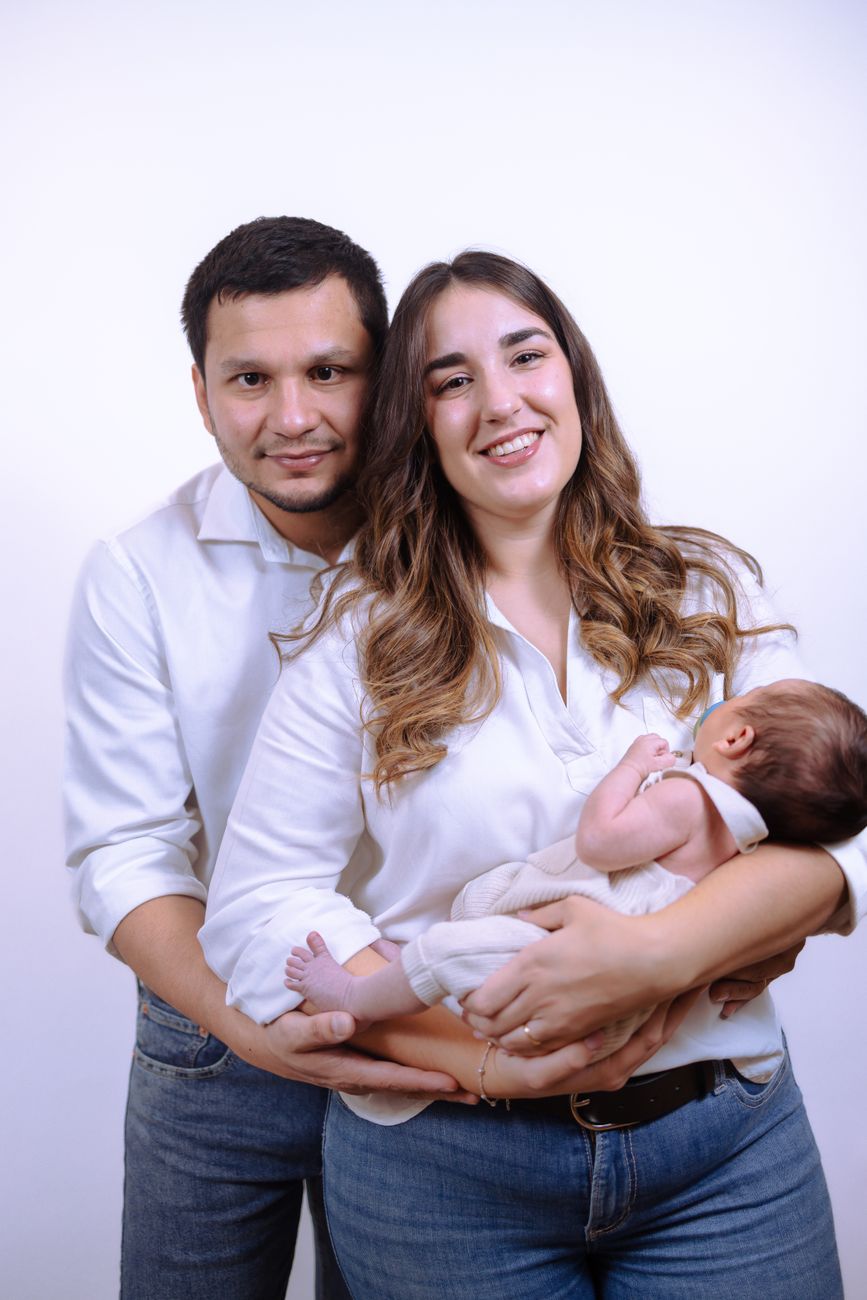
California's Paid Family Leave program lets most workers take up to eight weeks of partial pay to bond with a new child or care for a seriously ill family member - without losing their income entirely. But the EDD's application process has tripped up plenty of eligible workers, often over paperwork errors or missed steps that delay checks by weeks. Here's how the process actually works.
Related: How to File for California Paid Family Leave: What EDD Actually Requires and What to Expect · How to File for California Paid Family Leave: What New Parents and Caregivers Need to Know
Who Qualifies for Paid Family Leave

PFL is administered by the California Employment Development Department and is funded through the State Disability Insurance payroll deduction - the SDI line on your pay stub. If you've had that deduction withheld from your wages in the base period (generally the 12 months before your claim), you're most likely covered. Self-employed workers and sole proprietors who opted into SDI through the EDD's Disability Insurance Elective Coverage program may also be eligible.
PFL covers two main situations: bonding with a new child (biological, adopted, or foster) within the first year of placement or birth, and caring for a seriously ill parent, child, grandparent, grandchild, sibling, spouse, or registered domestic partner. Unlike California's State Disability Insurance program, PFL doesn't require a doctor to certify that you yourself are ill - but a care claim does require medical certification from the family member's treating physician or practitioner.


Notably, PFL does not protect your job on its own. That's a common misconception. Job protection during PFL typically comes from the federal Family and Medical Leave Act or California's Family Rights Act - separate laws with their own eligibility requirements. If job protection matters to your situation, check with your employer's HR department about which laws apply to your specific workplace before you file.
How Much PFL Pays
California PFL pays a percentage of your weekly wages, calculated from your base period earnings. As of 2026, the EDD calculates your weekly benefit amount using the highest-earning quarter in your base period. The wage replacement rate has been 70% for lower-wage workers and 60% for higher-wage workers under the tiered structure the state adopted in recent years - but the specific rates and the income thresholds that determine which tier you fall into can change, so confirm the current formula at edd.ca.gov/disability before you file.
There is a weekly benefit cap. Historically that cap has increased each January tied to average wage growth, so the ceiling in effect for a 2026 claim will differ from prior years. The EDD's online benefit calculator, available at edd.ca.gov/disability, can give you an estimate based on your actual reported wages before you commit to a leave schedule.
PFL benefits are subject to federal income tax but are not subject to California state income tax. You'll receive a 1099-G from the EDD after the year ends if you collect benefits.
How to File a PFL Claim
The EDD strongly encourages filing online through SDI Online at edd.ca.gov/disability. Paper claims are still accepted but take longer to process. You can file online, by mail, or by phone - online is typically fastest.
For a bonding claim (new child), you can file your claim the day after your child arrives and must file within 41 days of the date you want to start receiving benefits, or you risk losing some benefit weeks. If you're filing a care claim, the timeline still applies, and you'll also need to submit a medical certification from the family member's doctor. That form - the Claim for Paid Family Leave Benefits (DE 2501F) - is available through SDI Online or the EDD by mail.
When you file, have the following ready: your Social Security number, your employer's name and address, your last day worked (or the date your leave started), and the child's birth date or placement date for bonding claims. For care claims, you'll also need the family member's name and their physician's contact information so the EDD can route the medical certification form.
The EDD's standard processing time after a complete claim is submitted has historically been a few weeks, but actual timing varies by volume and claim type. Filing online, submitting all required documents at once, and double-checking that your employer information matches your wage records will reduce the chance of a delay.
Common Reasons PFL Claims Get Delayed or Denied
Missing the 41-day filing window is the most common avoidable mistake for bonding claims. The clock starts on the date you want benefits to begin, not the date you actually file, and the EDD generally won't waive the deadline except in narrow circumstances.
See also: How California's Paid Family Leave Program Works - and How to File a Claim · How to File for California Unemployment Insurance: What to Expect From EDD and How to Actually Get Paid
For care claims, delays usually trace back to incomplete or late medical certification. The EDD sends the certification form directly to the treating physician - but it goes to the address you provide when you file, so if that information is wrong or the doctor's office is slow to respond, your claim stalls. Following up directly with the physician's office after you file can keep the process moving.
Wage discrepancies are another common hang-up. If your reported wages don't match what's in the EDD's records - which come from employer quarterly reports - your benefit calculation can be wrong or your claim can be flagged for review. If you've changed jobs, worked multiple jobs, or had a period of self-employment, it's worth reviewing your wage history in your SDI Online account before you file.
If your claim is denied, you have the right to appeal. The EDD's denial notice will include the deadline for requesting an appeal with the California Unemployment Insurance Appeals Board. That deadline is firm, so don't set the notice aside.
A Few Things Worth Knowing Before You File
PFL and SDI can sometimes be used back-to-back. If you gave birth, SDI typically covers your own recovery period first (the period when you're medically unable to work), and PFL kicks in afterward for bonding. The EDD can walk you through the transition between the two claims, but it's not automatic - you'll need to file a separate PFL claim when your SDI period ends.
Some employers offer supplemental pay on top of PFL benefits through a Voluntary Plan or via company policy, which can bring your total income closer to your regular wages during leave. Ask your employer's HR or payroll department before your leave starts whether any such plan applies to you.
This is general information, not legal or financial advice. Eligibility rules, benefit rates, filing deadlines, and EDD processes can change. Always verify current requirements directly with the California Employment Development Department at edd.ca.gov/disability before you file a claim.