
How to Fight Back Against Debt Collector Harassment in California
Can a debt collector call me at any time of day in California?
No. Under both the federal Fair Debt Collection Practices Act and California's Rosenthal Fair Debt Collection Practices Act, debt collectors cannot call before 8 a.m. or after 9 p.m. your local time. Calling outside those hours is a violation of federal and state law, and you can document and report those calls to the California Attorney General or the CFPB.
Can a debt collector have me arrested for not paying a debt in California?
No. Threatening arrest for an unpaid consumer debt is illegal under California's Rosenthal Act and the federal FDCPA. Unpaid debts are civil matters, not criminal ones. A collector can sue you in civil court to collect a debt, but they cannot have you arrested, and threatening to do so is itself a violation you can report and potentially sue over.
How do I get a debt collector to stop calling me in California?
Send the collector a written cease-contact letter via certified mail with return receipt. Once they receive it, they are generally only permitted to contact you to confirm they're stopping or to notify you of a specific legal action, like a lawsuit. This doesn't erase the debt, but it legally requires them to stop calling. Keep a copy of the letter and your mailing receipt.
How do I report an abusive debt collector in California?
File a complaint with the California Attorney General's office at oag.ca.gov, the Consumer Financial Protection Bureau at consumerfinance.gov, and the Federal Trade Commission at ftc.gov. These agencies track complaint patterns and use them to guide enforcement. For your individual case, consult a California consumer-protection attorney, since both the Rosenthal Act and the FDCPA allow consumers to sue for damages and attorney's fees.
What is the difference between the FDCPA and California's Rosenthal Act?
The federal Fair Debt Collection Practices Act covers third-party debt collectors, meaning agencies hired to collect debts on behalf of a creditor. California's Rosenthal Fair Debt Collection Practices Act extends similar protections to original creditors as well, so businesses collecting their own debts directly, such as a medical office or landlord, must also follow California's rules. The Rosenthal Act gives consumers a private right to sue in California courts.

California has some of the strongest debt collection laws in the country, and if a collector is calling you at midnight, threatening arrest, or refusing to identify themselves, they're likely breaking the law. What most Californians don't know is that state law goes further than the federal rules most people have heard of, and there's a concrete process for stopping the calls and potentially getting paid for the trouble.
Related: How to Fight Back When a Debt Collector Crosses the Line in California · What to Do When a Debt Collector Breaks the Rules in California



Two Laws Protect You: Federal and California

The federal Fair Debt Collection Practices Act covers third-party debt collectors, meaning agencies that buy or collect debts on behalf of someone else. California's Rosenthal Fair Debt Collection Practices Act extends similar protections to cover original creditors as well, so the medical office or landlord calling you directly is subject to California's rules, not just the collectors they might hire. The California law is enforced by the state Attorney General's office and also gives consumers a private right of action, meaning you can sue in civil court.
Under both laws, collectors cannot call before 8 a.m. or after 9 p.m. your time. They can't threaten violence, use obscene language, claim to be attorneys or government officials if they're not, or threaten arrest for a civil debt. Arrest threats are among the most common scare tactics, and they're flatly illegal. A debt, even a real and unpaid one, is a civil matter, not a criminal one.
The Rosenthal Act also prohibits collectors from contacting your employer, family members, or neighbors about your debt except to locate you, and even then only once per person. If you have an attorney, the collector must communicate with the attorney only.
Your Right to Make the Calls Stop
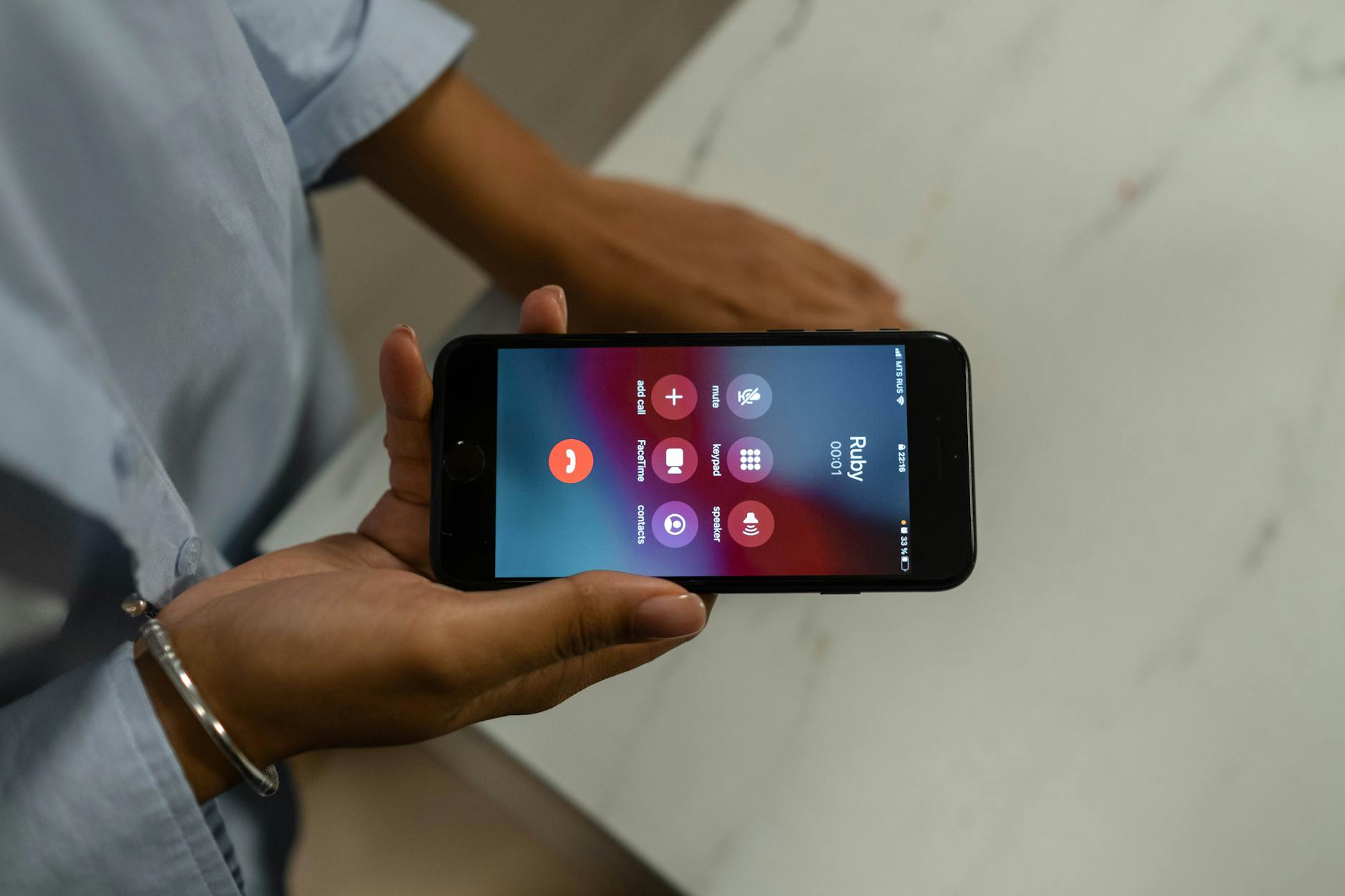
You can tell a collector in writing to stop contacting you entirely. Send a letter via certified mail with return receipt so you have proof of delivery. Once they receive it, they're generally only allowed to contact you to confirm they're stopping contact or to notify you of a specific action, like a lawsuit being filed. The collector doesn't have to forgive the debt, and they can still sue you to collect it, but the calls must stop.
You're also entitled to request, in writing, that the collector validate the debt. Under the federal FDCPA, collectors must send you a written notice within five days of first contacting you, including the amount owed and the creditor's name, and you have 30 days from receiving that notice to dispute the debt or request verification. If you request verification within that window, the collector must pause collection activity until they send you verification. Keep copies of everything you send and receive.
How to File a Complaint
If a collector has violated the law, you have a few options. First, file a complaint with the California Attorney General's office through its online complaint portal. The AG's office investigates patterns of violations and can take enforcement action, particularly when multiple consumers report the same collector. Second, file a complaint with the Consumer Financial Protection Bureau (CFPB) at consumerfinance.gov, the federal agency that also oversees debt collection practices. Third, file with the Federal Trade Commission at ftc.gov. None of these agencies will resolve your individual case, but complaint volume influences enforcement priorities.
For your own case, both the Rosenthal Act and the FDCPA allow you to sue a collector in state or federal court. Under the FDCPA, you may be able to recover up to $1,000 in statutory damages per lawsuit, plus actual damages and attorney's fees if you win. The Rosenthal Act has similar provisions. Because attorney's fees are recoverable, some consumer-protection attorneys take these cases on contingency. Many California Superior Courts also have small claims divisions where you can file without an attorney for disputes under the small claims limit, which is set by state law and subject to change. Contact your local court's self-help center for current limits and filing procedures.
See also: Your Car Got Towed in California: How to Get It Back, What It'll Cost, and When You Can Fight It · How California's Eviction Process Actually Works - and What Tenants Can Do to Fight Back
What to Document Before You Do Anything
Before filing a complaint or consulting an attorney, build your paper trail. Write down the date, time, and content of every call you can recall, as close to when it happened as possible. Note the collector's name, the company name, and any callback number they give you. Save any voicemails, letters, or text messages. If the collector sent written correspondence, keep the envelope too, since postmarks matter.
California is a two-party consent state for recorded phone calls under Penal Code Section 632, which means you generally cannot record a call without telling the other party. If you want to record a conversation with a collector, say clearly at the start of the call that you are recording it. The collector may hang up, but the warning protects you legally.
If you believe the "collector" may be a scam, as in someone impersonating a debt collector for a debt you don't owe, the California Attorney General also handles fraud complaints at oag.ca.gov. Phantom debt scams, where collectors fabricate or wildly inflate debts, are common and also illegal under existing fraud statutes, separate from the Rosenthal Act.
This is general information, not legal advice. Laws and processes can change, and your specific situation may vary. Verify current rules and your options with the California Attorney General's office at oag.ca.gov, the Consumer Financial Protection Bureau at consumerfinance.gov, or a licensed California consumer-protection attorney. For court filing procedures and small claims limits, contact your local California Superior Court or its self-help center directly.