
How to Challenge an HOA Fine in California: What the Davis-Stirling Act Requires
Can an HOA fine me without giving me a chance to be heard in California?
No. Under the Davis-Stirling Act, a California HOA must provide written notice of a violation and offer the homeowner a hearing before the board before a fine can be imposed. The notice must come at least 10 days before the hearing. A fine issued without this process is procedurally defective and may not be enforceable under California Civil Code section 5855.
What is internal dispute resolution (IDR) and do I have to use it before fighting an HOA fine?
Internal dispute resolution is a face-to-face meeting between a homeowner and an HOA representative, available under California Civil Code section 5900. A homeowner can request it in writing before or after a fine is imposed. It's not mandatory for homeowners, but using it creates a paper trail and often resolves disputes without escalating to court or formal mediation.
Can a California HOA foreclose on my house over an unpaid fine?
No. California Civil Code section 5725 prohibits an HOA from using a nonjudicial lien foreclosure to collect monetary fines or penalties. Foreclosure liens are only permitted for unpaid regular or special assessments, not rule-violation fines, and even then significant notice and dollar-threshold requirements apply. If your HOA is threatening foreclosure over a fine, consult a California-licensed attorney promptly.
How do I request an HOA hearing to dispute a violation notice in California?
Submit a written request to your HOA board asking for a formal hearing on the alleged violation. Under the Davis-Stirling Act, the board must provide at least 10 days' written notice of the hearing date. At the hearing, you can present evidence, speak on your own behalf, and challenge whether the rule exists in the governing documents or has been consistently enforced across the community.
Can I sue my HOA in small claims court in California?
Yes. Homeowners can sue a California HOA in small claims court, and the HOA can also sue homeowners there. Small claims is appropriate for disputed fines within the court's dollar limit, which was $12,500 for individuals as of 2026 but should be confirmed at courts.ca.gov. No attorney is required in small claims court, making it an accessible option when an HOA has clearly failed to follow its own required procedures.
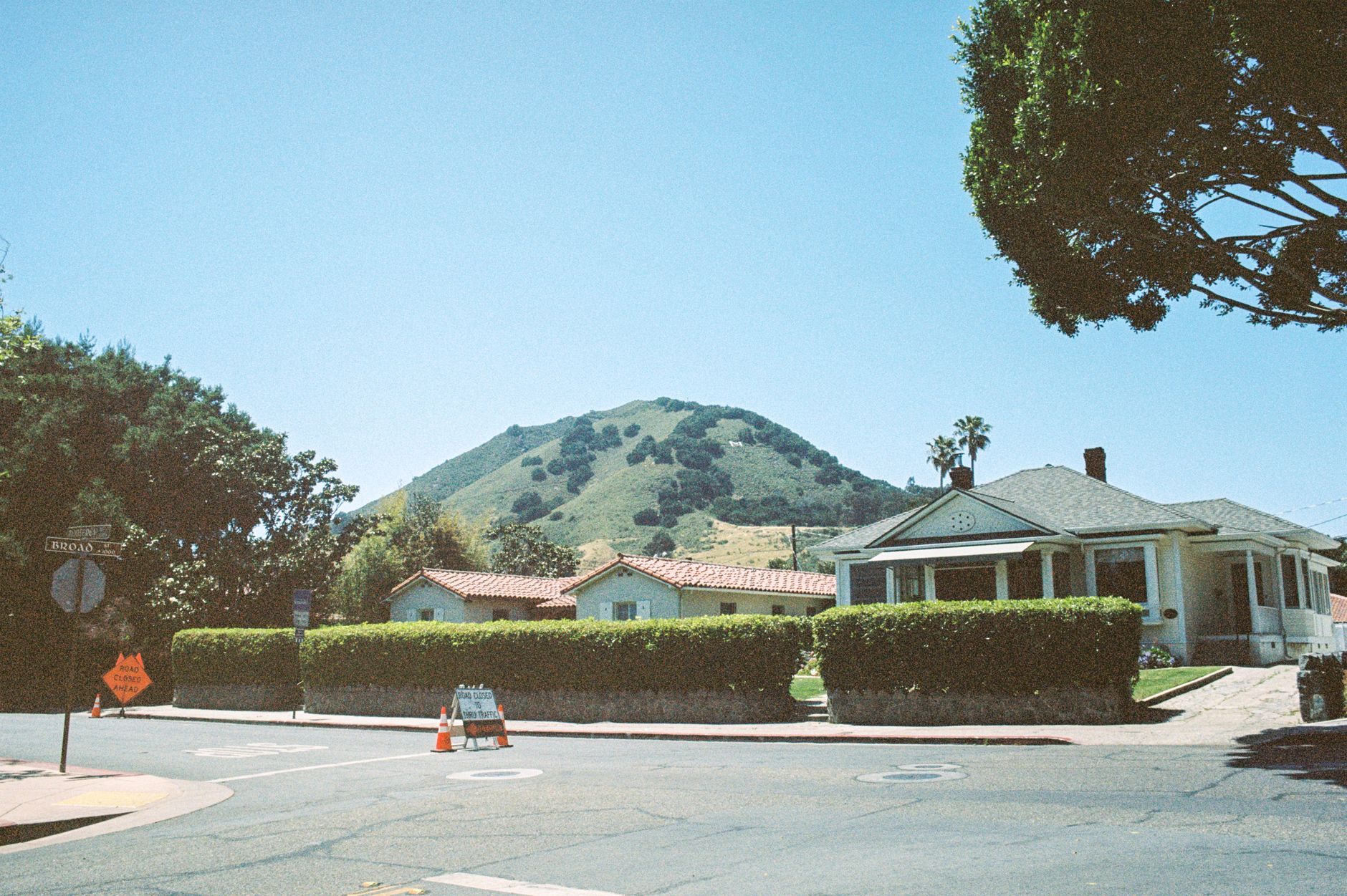
California's homeowners associations collect roughly $2 billion in assessments and fines each year, and a significant share of that money comes from violations that homeowners never contest - not because they agree with the fine, but because they don't know they have the right to fight it. Under the Davis-Stirling Common Interest Development Act, which governs HOAs across the state, associations are required to follow specific due-process procedures before a fine sticks. When they don't, the fine may not be enforceable at all.
Related: How to Challenge an HOA Fine in California: What the Davis-Stirling Act Actually Requires · How to Fight an HOA Fine in California: What the Davis-Stirling Act Requires Before You Pay a Penny
What the Davis-Stirling Act Actually Requires Before an HOA Can Fine You

The Davis-Stirling Act, codified primarily in California Civil Code sections 4000 through 6150, requires an HOA to provide written notice of any alleged violation before imposing a fine. The notice must describe the violation, identify the rule that was allegedly broken, and give the homeowner a reasonable opportunity to correct the problem. A fine issued without that notice, or issued the same day as the notice without time to cure, is procedurally defective under state law.
 How to Challenge an HOA Fine in California: What the Davis-Stirling Act Actually Requires
 How to Dispute an Unauthorized Credit Card Charge in California: What Federal Law Requires and What to Do Step by Step
More importantly, the law requires an HOA to offer the homeowner an internal dispute resolution, or IDR, process before the association can collect on a fine. IDR is essentially a face-to-face meeting with an HOA representative, which the homeowner requests in writing and which the HOA is generally required to schedule. Many HOAs skip mentioning this right in their violation letters. They're not required to bring it up proactively in the same letter, but it exists, and invoking it buys time and creates a record.
Beyond IDR, homeowners have access to a formal hearing before the HOA's board. Civil Code section 5855 requires the board to provide written notice of the hearing at least 10 days in advance, and the homeowner has the right to attend, speak, and submit evidence. If the board votes to impose the fine, it must provide a written decision within 15 days of the hearing. Any fine imposed without offering a hearing opportunity is, on its face, a violation of the Act.
How to Actually Challenge a Fine, Step by Step
Start by responding to the violation notice in writing, even if the deadline feels tight. Written communication creates a paper trail; verbal conversations at the mailbox do not. In your response, request an internal dispute resolution meeting and ask the HOA to cite the specific rule in the governing documents that you allegedly violated. Many violations collapse at this stage because the rule either doesn't exist in the CC&Rs as written, has never been formally adopted, or hasn't been consistently enforced across the community.
Inconsistent enforcement is worth documenting. If your neighbor has the same dead lawn, unpainted fence, or holiday lights up in March, photograph it with timestamps. California courts have found that selectively enforcing rules against some homeowners but not others can render a fine unenforceable, and it's relevant evidence at a board hearing.
At the board hearing itself, bring your written governing documents, your photographs, and any prior correspondence. Request that the meeting be recorded or ask a neighbor to attend as a witness. After the hearing, request the written decision in writing if it doesn't arrive within 15 days - that's both your right and useful documentation if the dispute escalates.
If the board upholds the fine and you still believe it's wrong, the next step is Civil Code section 5900's alternative dispute resolution process, known as ADR, which typically means mediation or arbitration. Unlike IDR, ADR usually involves a neutral third party. Either party can request it, and in many cases an HOA is required to participate in good faith before it can file a lawsuit to collect an unpaid fine.
When an HOA Can't Collect - and What "Small Claims" Actually Means Here
California law prohibits an HOA from foreclosing on a home to collect unpaid fines alone. Under Civil Code section 5725, as of this writing, an HOA may not use a nonjudicial lien foreclosure to collect monetary penalties or fines. Only unpaid regular and special assessments - not fines for rule violations - can form the basis for a foreclosure lien, and even then, the law imposes significant notice requirements and dollar thresholds before a foreclosure can proceed. If an HOA is threatening foreclosure over an unpaid fine, that threat is almost certainly legally invalid, and an attorney consultation is warranted.
See also: How to Dispute an Unauthorized Credit Card Charge in California: What Federal Law Requires and What to Do Step by Step · How to File for California Paid Family Leave: What EDD Actually Requires and What to Expect
For disputed fines under California's small claims court limit, which was $12,500 for individuals as of 2026 but should be verified at courts.ca.gov, homeowners can sue the HOA directly in small claims court without an attorney. Homeowners associations can also be sued there. Small claims is worth considering when the HOA has clearly failed to follow its own procedures, because a judge can void a fine that was imposed in violation of the Act.
Getting Outside Help Without Hiring a Lawyer
The California Department of Consumer Affairs operates the Office of the Attorney General, but for HOA-specific complaints, the more relevant resource is the California Civil Rights Department if the dispute involves discriminatory enforcement, and the California Courts Self-Help Center system (courts.ca.gov/selfhelp) for procedural guidance on small claims or ADR filings. Many counties also have bar association lawyer-referral programs that offer a first consultation at reduced cost.
The Community Associations Institute, a national trade group, publishes plain-language summaries of the Davis-Stirling Act that homeowners can use to verify their rights without buying a legal textbook. They're not a government body and can't give legal advice, but their materials are generally accurate on the statute's structure.
One practical move many homeowners overlook: request a complete copy of your HOA's governing documents in writing. Under Civil Code section 4525 and related provisions, the HOA must provide certain documents to a requesting member, often within a set number of days and for a limited reproduction fee. Reading your own CC&Rs, bylaws, and the association's enforcement policy before a hearing is the single most useful thing you can do.
This is general information, not legal advice. HOA rules, fine procedures, and your specific CC&Rs vary significantly, and the Davis-Stirling Act is amended periodically by the California Legislature. Always verify current law and your association's governing documents with a California-licensed attorney or by consulting the California Courts self-help resources at courts.ca.gov, and review the full text of the Davis-Stirling Act through the California Legislative Information site at leginfo.legislature.ca.gov.