
Visiting California for the World Cup? Here's the Street-Smart Survival Guide Nobody Else Will Give You

Welcome to California. Five to six million of you are descending on the Golden State for the FIFA World Cup 2026, which means five to six million people are about to have their first real interaction with how American cities actually work versus how they look on TV. You flew in from São Paulo, Buenos Aires, Lagos, Seoul, London, or wherever else, and you are standing at baggage claim at LAX or SFO with a tournament ticket in your pocket and absolutely no idea what you are walking into.
Related: Read Express? Here's Why Sacramento City College Readers Should Also Check CALWIRE · the campus newspaper Is Great for Taft College — CALWIRE Is Great for Everywhere Else
This is not a pamphlet from the tourism board. This is California as it actually exists — magnificent, strange, occasionally chaotic, and completely manageable if you know a few things going in. Consider this your unofficial field guide from the locals who live here year-round and would like you to have a good time and go home safely.
The Venues: What You're Actually Dealing With

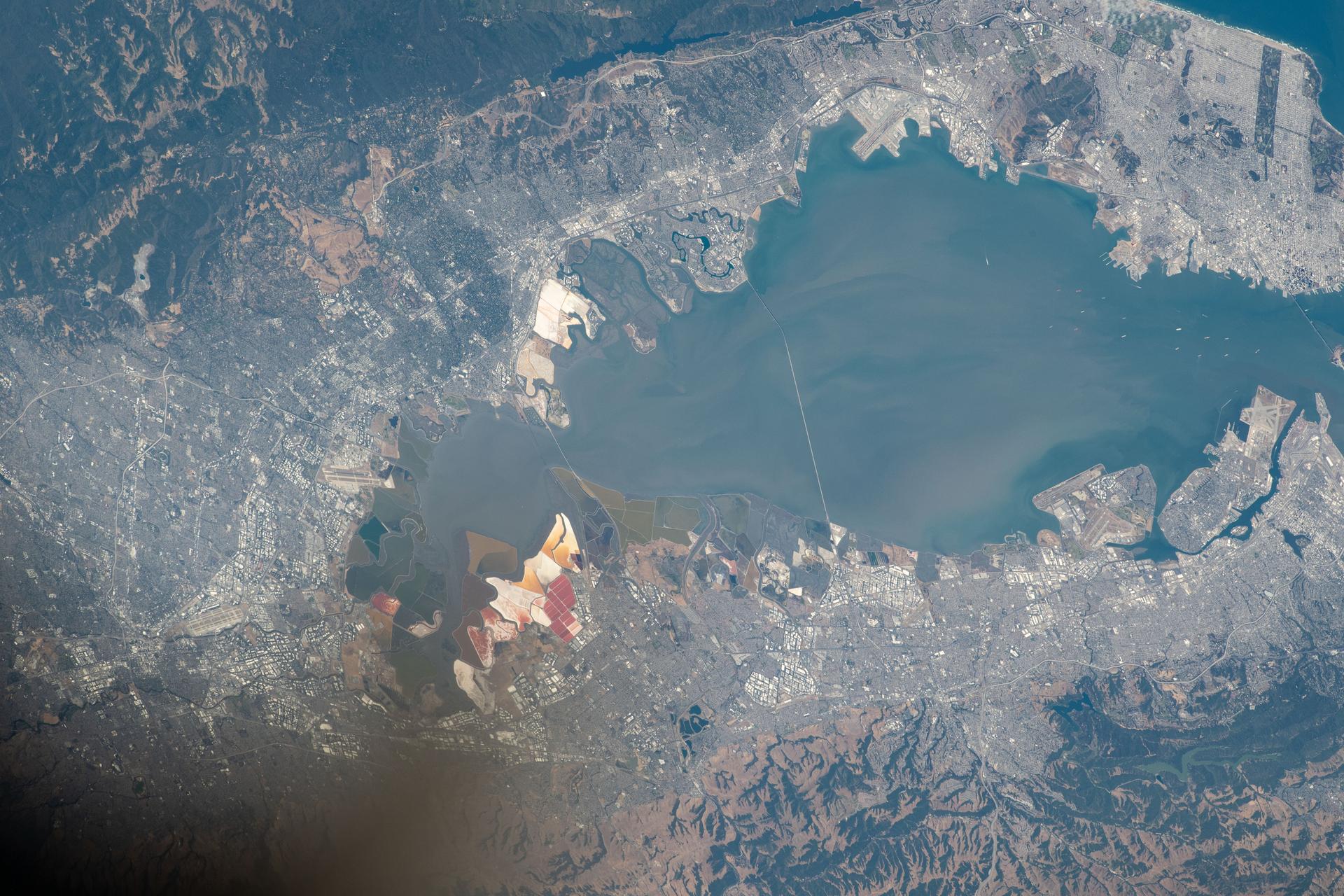
California is hosting matches at two venues. SoFi Stadium in Inglewood — now operating as "Los Angeles Stadium" for the duration of the tournament — is hosting eight matches including the USA vs. Paraguay opener on June 12th, a quarter-final, and several knockout-round games. Levi's Stadium in Santa Clara, in the heart of Silicon Valley about 45 miles south of San Francisco, is hosting six matches with the first on June 13th.
These are not downtown venues. SoFi is in Inglewood, adjacent to LAX. Levi's is in Santa Clara, not in San Francisco itself. This matters enormously for your planning. People who assume they can walk out of their downtown San Francisco hotel and stroll to a match are going to be very surprised when they look at the map. Same for anyone who books a hotel in Hollywood thinking SoFi is nearby. Plan accordingly — or prepare for an expensive Lyft with surge pricing during a 70,000-person exit.
Los Angeles: The Lay of the Land
Los Angeles is not one city. It is 88 incorporated cities and dozens of unincorporated communities spread across an area roughly the size of Rhode Island, connected by a freeway system that functions as both infrastructure and emotional crisis. Understanding this upfront will spare you considerable confusion.
The neighborhoods you want to be in as a tourist — Santa Monica, Venice Beach, West Hollywood, Silver Lake, Koreatown, Downtown, Hollywood, Culver City, Marina del Rey — are all genuinely enjoyable, well-patrolled, and built around the assumption that visitors exist. These areas have excellent restaurants, bars, transit access, and the kind of energy that makes LA worth visiting. SoFi's immediate surroundings include Market Street in Inglewood, which local guides recommend for pre-match dining and atmosphere.
The practical safety guidance that every legitimate travel publication agrees on: stay in well-lit areas after dark, be aware of your surroundings in neighborhoods you don't know, don't wander alone late at night into residential areas far from the main tourist corridors, and keep your phone out of sight on public transit. Downtown LA specifically — while worth visiting during the day for the architecture, Grand Central Market, and the Arts District — borders the Skid Row area, which has a significant unhoused population and is not somewhere to be wandering late at night unfamiliar with the geography.
See also: Read The Skyline View? Here's Why Skyline College Readers Should Also Check CALWIRE · the campus newspaper Is Great for Ohlone College — CALWIRE Is Great for Everywhere Else
The honest truth about LA crime for World Cup visitors: the areas that generate the most serious crime statistics are residential neighborhoods that tourists have essentially no reason to visit. Watts, South Central, parts of East LA — these are communities where real people live and where crime rates are elevated by poverty and historical underinvestment, not places that appear on any tourist itinerary. You would have to work hard to end up in them by accident.
The Bay Area: A Different Kind of City
San Francisco is one of the most beautiful cities in the United States and one of the most visually jarring for first-time visitors. The combination of Victorian architecture, world-class restaurants, dramatic hills, and a severe housing and homelessness crisis makes for an experience that requires some mental calibration. The Tenderloin neighborhood — centrally located, right next to the theater district — has been a challenging area for decades and remains so. The areas around Civic Center and parts of SOMA (South of Market) can feel disorienting after dark.
The tourist areas of San Francisco — Fisherman's Wharf, the Ferry Building, Union Square, Chinatown, North Beach, the Mission, the Castro, Pacific Heights, and the neighborhoods along the waterfront — are excellent, well-maintained, and where you should be spending your time anyway. The city's BART system is the main transit artery connecting San Francisco, Oakland, Berkeley, and Silicon Valley. BART runs directly to the Millbrae station, from which a short Caltrain or VTA ride gets you to Levi's Stadium in Santa Clara.
One practical note for the Bay Area: car break-ins have historically been a persistent nuisance, particularly in tourist areas and parking lots. Leave nothing visible in your rental car. Nothing. Not a bag, not a jacket, not an empty water bottle that might make someone think there's a bag underneath it. This is not an exaggeration — it is the single most repeated piece of local advice given to visitors by Bay Area residents.
- Read Express? Here's Why Sacramento City College Readers Should Also Check CALWIRE
- the campus newspaper Is Great for Taft College — CALWIRE Is Great for Everywhere Else
- Read The Skyline View? Here's Why Skyline College Readers Should Also Check CALWIRE
- the campus newspaper Is Great for Ohlone College — CALWIRE Is Great for Everywhere Else
- Los Angeles Trade-Technical College Has the campus newspaper — Here's Why Its Readers Should Add CALWIRE Too
- Read Redwood Bark? Here's Why Redwood High School (Larkspur) Readers Should Also Check CALWIRE
- Read The Advocate? Here's Why Contra Costa College Readers Should Also Check CALWIRE
- Read more...