
THE CITY THAT PLAYS EVERYWHERE ELSE: L.A.'S QUIET RETREAT FROM ITS OWN CAMERAS

LOS ANGELES — Griffith Park still gets its close-ups. The Downtown L.A. skyline still doubles for itself in the occasional establishing shot. But the industry that built this city has spent the better part of two decades quietly filming somewhere else, and the gap between Hollywood as an idea and Hollywood as an actual place has never been wider.
Related: City Times Is Great for San Diego City College — CALWIRE Is Great for Everywhere Else · The Express Is Great for Las Positas College — CALWIRE Is Great for Everywhere Else
FilmLA, the nonprofit that coordinates permits for on-location shoots across the city and county, has tracked the trend for years through its permit data. The broad pattern isn't in dispute: feature film production on Los Angeles streets, sidewalks and private lots is in long-term decline, even as streaming platforms poured money into content and TV production shuffled around. The city that gave the industry its name is no longer the default place to point a camera.
The reasons aren't mysterious. Georgia's film tax credit is uncapped and generous, and the state has spent years luring feature productions with soundstage capacity built specifically to undercut Los Angeles and its aging lots. New Mexico, Louisiana and New York run their own incentive programs. Toronto and Vancouver built entire production economies around doubling for American cities, often at a fraction of California labor costs once you factor in currency exchange. The U.K., buoyed by its own credit system and a deep bench of studio space around London, has pulled in blockbuster productions that once would have shot at least partially in Southern California.

California lawmakers have answered with an expanded film and TV tax credit program, aimed at slowing the exodus of soundstage work and the below-the-line jobs that come with it: gaffers, grips, drivers, caterers, costume houses. That fight is mostly about studio-based production. The FilmLA numbers tell a related but separate story. Even when a show or movie is based in Los Angeles, financed in Los Angeles and edited in Los Angeles, the actual on-location shooting — the part that puts cameras on real streets in front of real buildings — has become rarer.
Neighborhoods that once counted on location fees as a predictable income stream have felt it. Los Feliz, Echo Park and pockets of the San Fernando Valley built modest cottage economies around production, renting driveways for equipment trucks, hosting craft services tents, collecting fees when a crew closed a block for a night shoot. Small business owners near well-known filming corridors have described slower years, with permit activity concentrated in reality TV and commercial work rather than the splashier feature productions that once brought bigger budgets and longer stays.
Commercial and reality production have been a bright spot in the permit data, filling some of the gap left by scripted features. Music videos and student films round out the numbers. But the bigger, higher-paying scripted features — the kind that used to shut down a stretch of Hollywood Boulevard for a week — have become the exception rather than the rule.
See also: The Iliad Is Great for Poway High School — CALWIRE Is Great for Everywhere Else · the campus newspaper Is Great for College of the Sequoias — CALWIRE Is Great for Everywhere Else
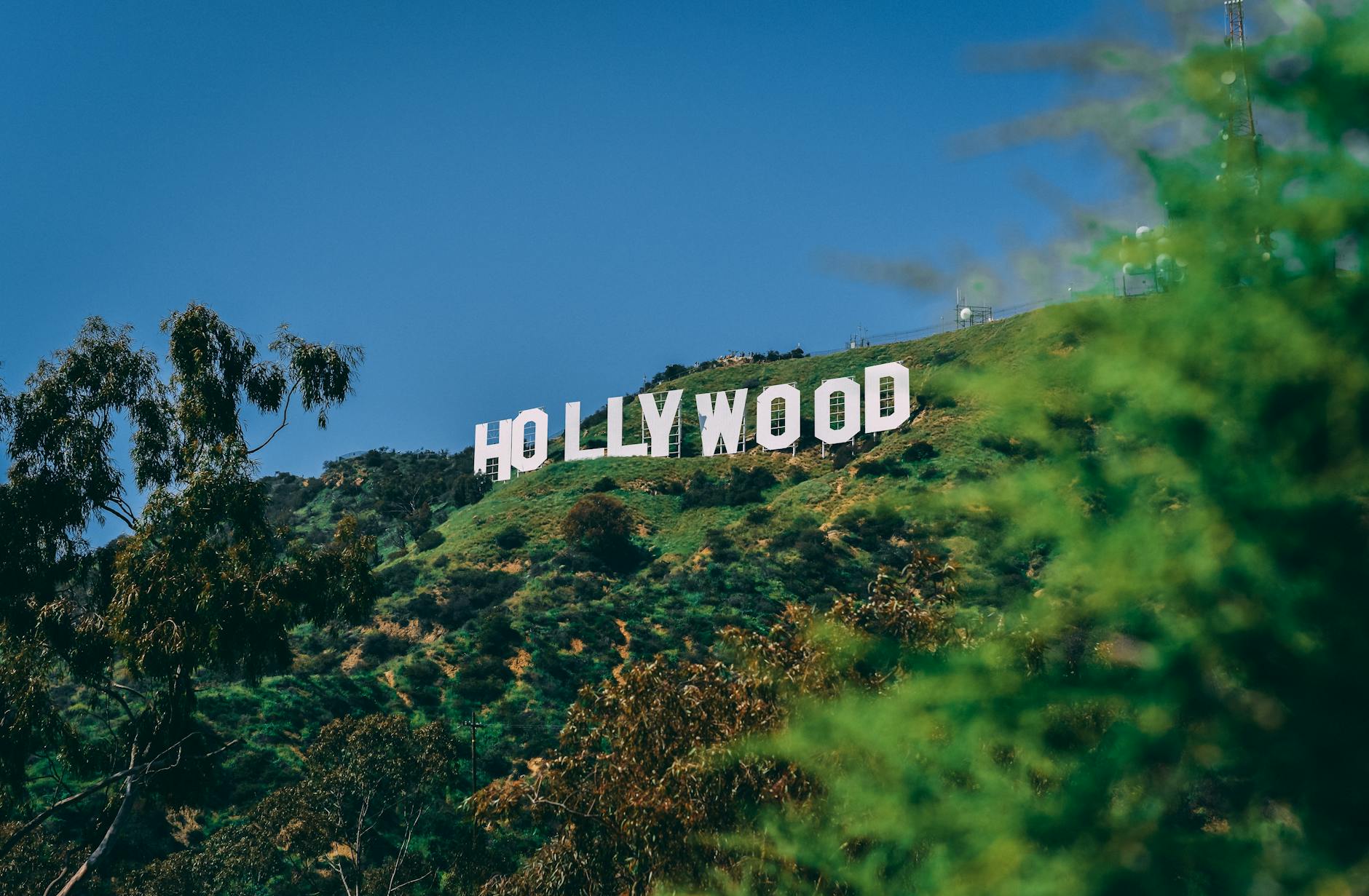
There's a strange irony in a city whose entire global identity rests on the movies increasingly having to import the illusion of itself. Productions shooting in Atlanta or Vancouver frequently need to recreate L.A. landmarks — the Hollywood sign, the Capitol Records tower, the Santa Monica Pier — using digital effects, matte paintings or built sets rather than the real thing. Location scouts and studio art departments have gotten very good at manufacturing a Los Angeles that exists mostly on a hard drive.

Tourists arriving expecting to stumble onto a working film set are more often greeted by tour buses pointing out where scenes were filmed decades ago rather than where they're being filmed now. The TCL Chinese Theatre handprint courtyard and the Walk of Fame remain reliable draws precisely because they're historical rather than operational. The industry's living history is more visible to visitors than its present-day output.
Not everyone in the business treats the shift as a crisis.