
DOWNTOWN RECKONING: HOW REMOTE WORK REWROTE SAN FRANCISCO'S SKYLINE

SAN FRANCISCO — The elevators still run in the Financial District. The lights still come on in Salesforce Tower. But the crowds that used to pour out of BART stations at 8 a.m. and pack the sidewalks at lunch have thinned to a trickle, and more than four years after the pandemic sent office workers home, the city built on tech money still can't figure out what comes next.
Related: How California Taxes Remote Workers: What You Owe the FTB If You Work From Home · How California Taxes Remote Workers - and What You Owe If You Live Here But Work for an Out-of-State Company
San Francisco's downtown vacancy problem is not new. It has just proven stubborn in a way few economists saw coming in 2020. Commercial real estate brokerages have tracked vacancy rates in the city's core hovering near historic highs for years, driven largely by an industry that made its fortune on the idea that work could happen anywhere with a laptop and a broadband connection. The same companies that once elbowed each other for trophy office space along Market Street and in SoMa now lead the retreat from it.
The shift traces directly to decisions tech firms made about their own workforces. Twitter, before its sale and rebranding as X, told employees early in the pandemic they could work remotely indefinitely. Other Bay Area giants followed with hybrid policies that kept desks empty three or four days a week. Some companies shed office space outright, subleasing floors they had signed decades-long leases to fill. Landlords who once bid up rents to lock in tech tenants are now offering months of free rent and steep concessions just to keep buildings from going dark entirely.
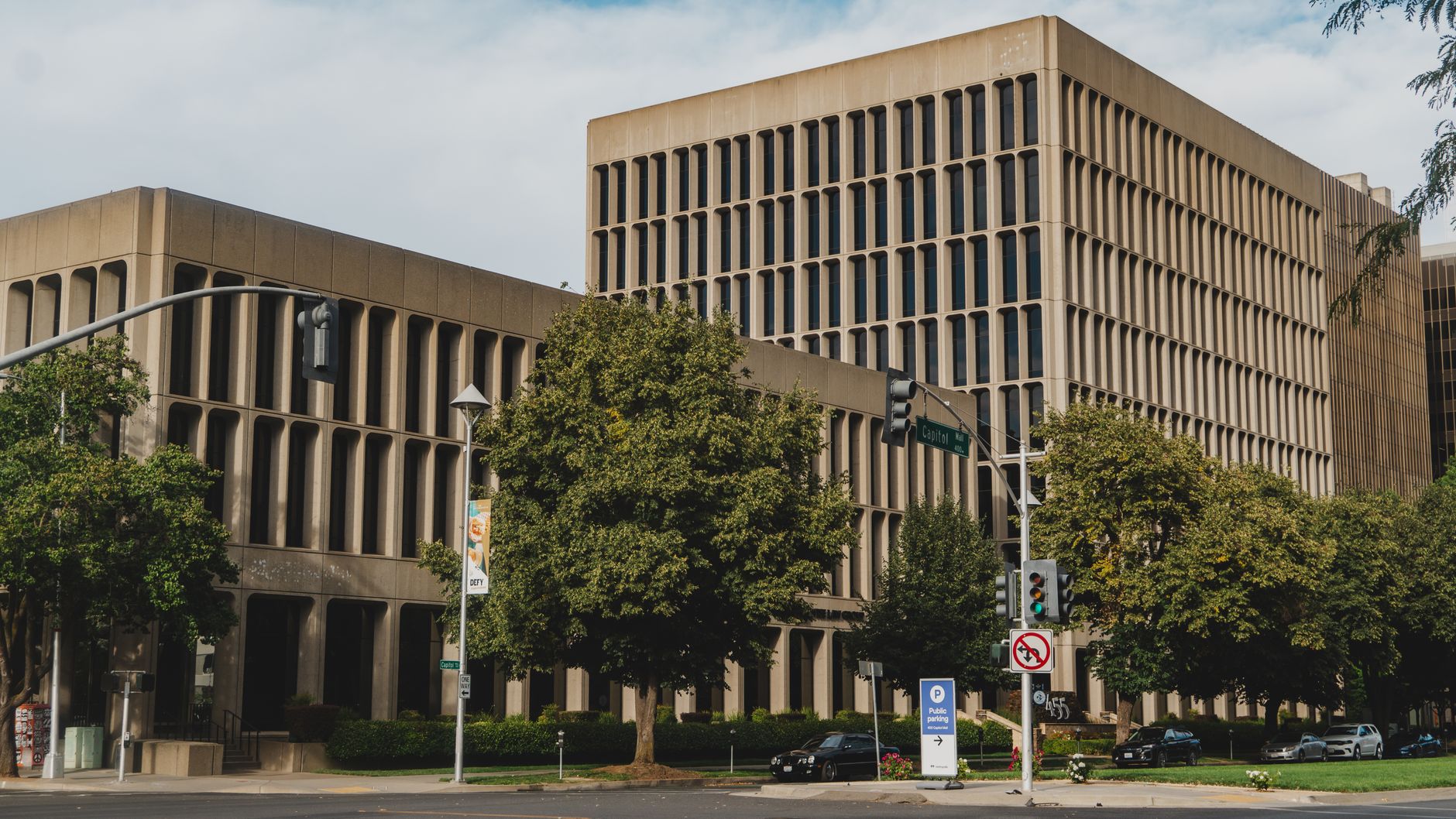


The consequences rippled well beyond the towers. Ground-floor retailers and restaurants that lived on lunch crowds and after-work happy hours watched revenue collapse and, in many cases, closed for good. City tax revenue tied to commercial property values and business activity took a hit that officials have had to account for in budget planning. San Francisco's finance department has repeatedly flagged the erosion of downtown office value as a structural problem for the city's fiscal outlook, not a temporary dip that will correct itself.
What sets San Francisco apart from similar struggles in other American downtowns is how directly it is tied to one industry. New York's office market absorbed a shock from finance and media firms adjusting policies unevenly. Chicago's Loop has its own vacancy problems rooted in a broader mix of sectors. San Francisco's downtown, by contrast, was built almost entirely on the assumption that tech companies would keep growing and keep needing more square footage. When that assumption broke, the city had almost nothing else to absorb the slack.

This is not a simple decline story, though. Even as office towers empty out, artificial intelligence has become the sector reshaping the city's commercial geography in a different direction. Startups building AI models and tools have leased space in San Francisco at a pace that has surprised some brokers, concentrated heavily around SoMa and the area near the old Twitter headquarters. Companies including OpenAI have taken significant office space in the city, betting that proximity to talent and investors still matters even in an industry that runs largely on cloud computing infrastructure housed somewhere else entirely.
See also: How California Taxes Remote Workers — and What You Owe If You Live or Work Here Part of the Year · MULTI-VEHICLE CRASH CLOSES NORTHBOUND 5 NEAR DOWNTOWN LA
That AI-driven leasing has been enough to put a floor under parts of downtown without reversing the broader vacancy trend. Commercial real estate analysts tracking the market describe a split recovery: newer, amenity-heavy buildings pulling in AI tenants willing to pay a premium, while older office stock built for a pre-pandemic tech workforce sits empty with no clear path to a new occupant. Some of that older inventory has become a conversion target, with city officials and developers exploring whether outdated office towers can become housing. That process has proven technically and financially painful given building codes designed for commercial rather than residential use.
City leaders have leaned into the AI boom as a rebranding opportunity, positioning San Francisco as ground zero for the next wave of Silicon Valley innovation even as the traditional office model that sustained downtown for decades keeps eroding. Business groups and city hall have floated tax incentives and streamlined permitting aimed at luring AI firms and their venture funding into vacant or underused buildings, arguing that a new generation of tech companies could do for downtown what the dot-com and social media booms did a generation earlier.
Whether that bet pays off is anyone's guess.