
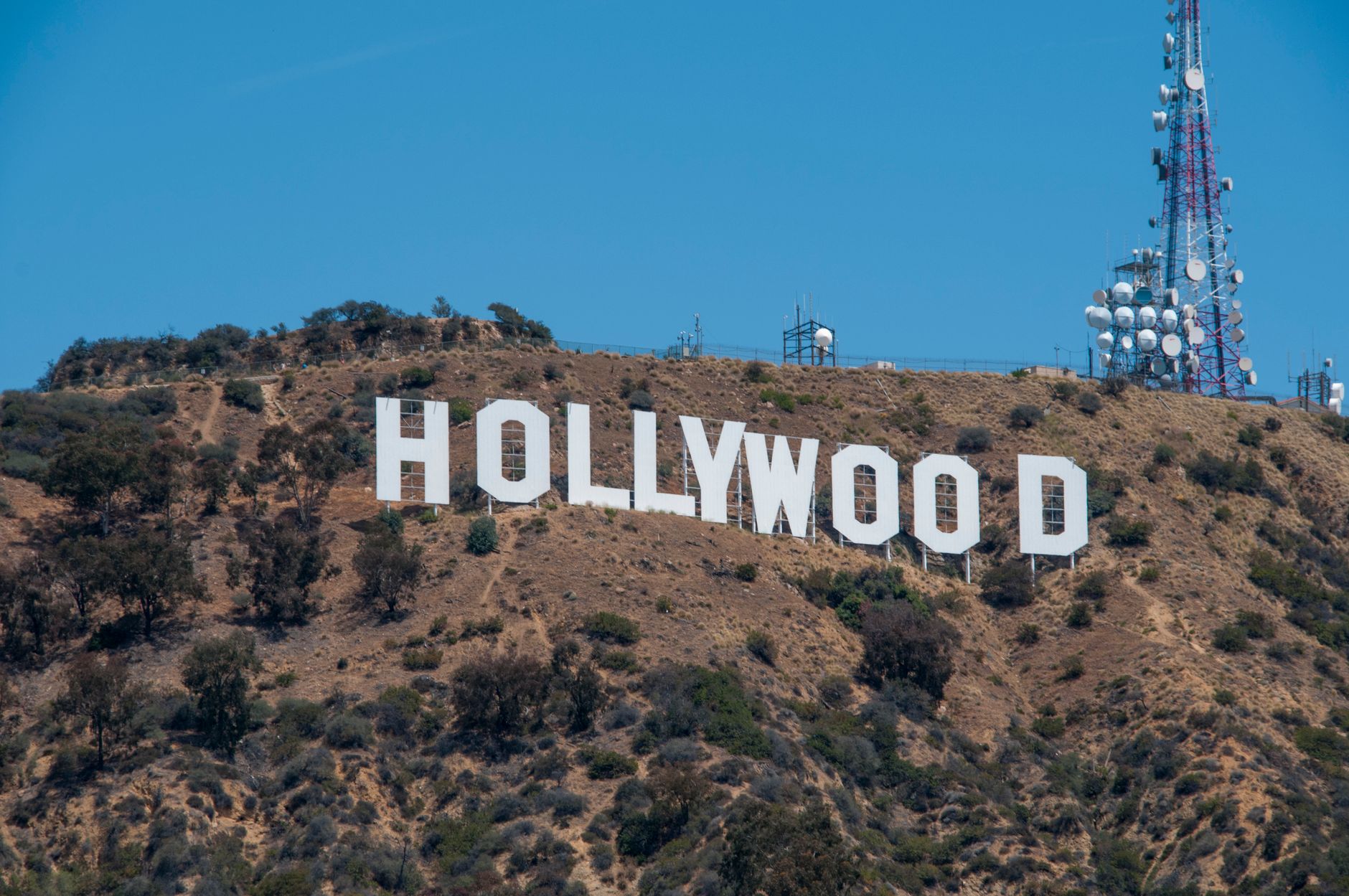
They don't walk red carpets. They don't get thanked at the Oscars. Most work out of cramped apartments in Los Feliz or shared offices in Burbank, and their names appear nowhere on the finished film. But in a very real sense, they decide what gets made in Hollywood — and what dies quietly in a drawer.
Related: Universal Studios Hollywood Is About to Strap Riders Into the Fast Lane
They're called script readers, or coverage analysts, or development assistants, depending on who signs their checks. Their job: read every screenplay that lands on a production company's desk, distill it into a one-page summary and a grade, and give some overworked executive a reason to say yes or no without spending three hours on a Tuesday grinding through a 127-page action script set entirely on a submarine. Without them, the pipeline stops.
Almost nobody outside the industry knows they exist. That's starting to change. The writers who fed that pipeline just spent months on strike, AI is now gunning directly for the reader's job, and the people who have quietly shaped American cinema for decades are finding out what it feels like to be the ones on the chopping block.
A Page Rate and a Dream

The gig has been around as long as studios have had slush piles. In the classic Hollywood era, story departments employed dozens of readers, often aspiring writers themselves, to process novels, plays, magazine serials, and original scripts pouring in from agents and the general public. The work was grunt-level. It paid badly. Most people doing it had a screenplay of their own sitting on their hard drive.
Not much has changed. Freelance readers have historically earned somewhere between $50 and $100 per script, which sounds workable until you factor in how long a thorough read actually takes. A feature script runs 90 to 120 pages. A TV pilot might be 50. Add the write-up — what the industry calls "coverage," a synopsis plus a breakdown of story, character, and dialogue, each scored on a scale from Pass to Consider to Recommend — and a reader might put four or five hours into a single submission. Do the math. It's not glamorous.
What keeps people in the chair isn't the money. It's proximity. Reading for a mid-level production company or a major studio puts a 24-year-old English grad from UC Santa Barbara inside the conversation about what Hollywood wants right now. They learn story structure by dissecting it daily. They absorb what executives mean when they say "too inside baseball" or "third-act problems." It's an education you can't get in a film school seminar. And sometimes, just sometimes, a reader flags a script that becomes a movie, and they carry that knowledge like a card in their wallet forever.
The Hidden Gatekeepers

The influence readers carry is easy to underestimate. Coverage is rarely questioned. If a reader sends a script up with a Pass, that script almost never reaches an executive's desk. The reader's taste, their particular blind spots, their tolerance for slow burns versus high concepts: all of it filters the material before any decision-maker sees a word of it.
That's enormous power for someone earning freelance rates with no job security and no benefits. Several veteran readers, speaking to industry trades over the years, have described the role as invisible gatekeeping. Your influence is real. Your leverage is zero. You can kill a career on page one. You just can't do anything about your own.
The community is tighter than outsiders realize. Readers in Los Angeles compare notes, swap agency contacts, and circulate lists of which companies pay on time and which ones ghost you after three assignments. Online forums trade war stories: the baffling script submitted by a minor celebrity, the obvious plant sent by a producer's friend, the genuine diamond-in-the-rough that made it all the way to a greenlight. It's its own subculture, operating entirely below the industry's official radar.
What the Strike Changed

The Writers Guild of America's 2023 strike, the longest in decades, rattled the whole development ecosystem, and readers felt it at the nerve endings. When writers stopped submitting and studios slowed their intake, the flow of scripts dried up. Freelance readers saw their assignment volume crater. Some pivoted to script consulting, charging writers directly for coverage on their own work. Others picked up shifts in adjacent jobs: production coordination, writers' room assistance, anything to stay tethered to the industry.
But the bigger disruption wasn't the stoppage. It was what came after. The strike's central battles over AI weren't abstract to readers. They were watching executives openly discuss using large language models to generate preliminary coverage, basic synopses, preliminary scoring, at essentially zero cost. Why pay a human $75 to read a script when a chatbot can spit out a two-paragraph summary in four seconds?
The answer, experienced readers will tell you fast, is that the chatbot has no taste. It can describe what happens in a script. It cannot tell you whether the writer has a voice, whether the protagonist's arc lands emotionally, whether the third-act revelation feels earned or like a cheat. Those judgments require a human being who has read a few hundred scripts and knows the difference. Whether that argument survives the next five years of AI development is a separate question entirely.
The Ones Who Made It Out
The reading circuit has a long tradition of producing working screenwriters, directors, and executives. It's one of Hollywood's least-discussed farm systems. Sitting inside a company's development process, even at the very bottom of it, reveals exactly what buyers are looking for in any given season, which tropes are exhausted, which genres are quietly heating up before the trades announce it.
More than a few produced writers in Los Angeles will tell you, if you catch them in the right mood, that their years reading scripts taught them more about structure than any MFA. You cannot read 500 scripts and hit the same third-act mistake 300 times without learning to avoid it yourself. The failure pile turns out to be the best textbook Hollywood never published.
Which makes it all the stranger that the people doing this work remain almost entirely anonymous. No credit on the film. No mention in the press notes. Just a Pass, a Consider, or the rarest outcome of all, a Recommend, filed in someone's system and forgotten the moment the next batch arrives.
They read everything so you never have to hear about the things they stopped.