
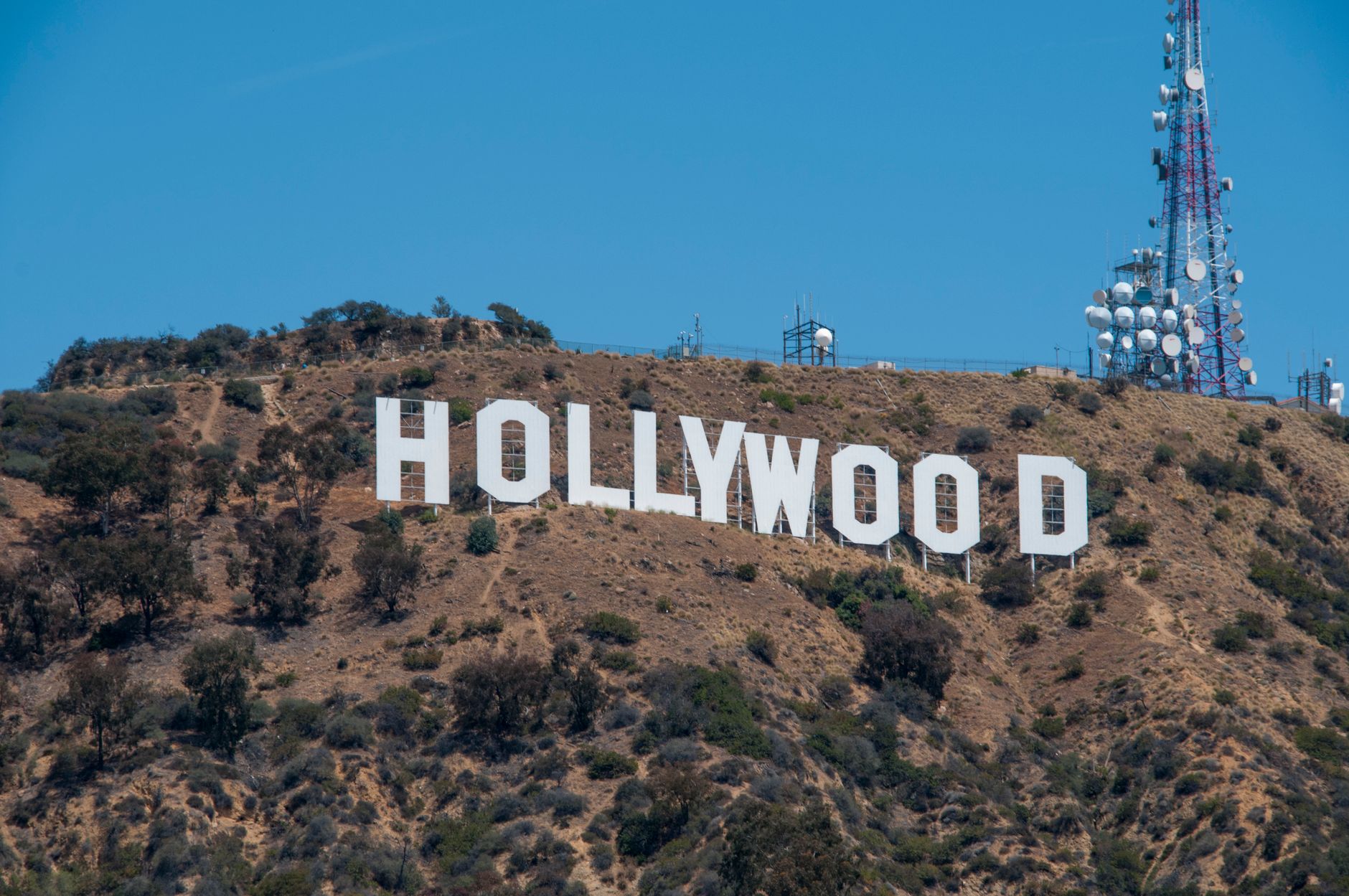
There's a theory making the rounds in Hollywood right now: audiences don't actually want new. They want familiar, but enormous. They want the thing they already love, rebuilt from scratch on a budget the size of a small nation's GDP and executed so precisely that walking out of the theater feels like a religious experience. The industry has a name for it. The Memory Moment.
The idea has been bouncing around the trades for a while, but it landed hard this week after a headline flagged that Gen Z's appetite for what some are calling "handcrafted blockbusters" is actively reshaping how Hollywood greenlights projects. Look at the California film economy — the below-the-line crews in Burbank, the effects houses in Santa Monica, the sound stages sitting dark or humming depending on the quarter — and the ripple effects are already here.
So what exactly is a handcrafted blockbuster? And why is the generation raised on infinite content suddenly demanding something that costs $200 million and takes four years to make?
The Memory Moment Explained

The term refers to a specific emotional beat that a certain kind of big film delivers: the scene that stops a packed auditorium cold, that people screenshot and post and reference for months. Think a superhero's first full-costume reveal in the best MCU chapters, or a practical stunt that defies explanation, or a shot so meticulously composed it looks hand-painted. Gen Z, the theory goes, has been trained by an ocean of algorithmic content to recognize the difference between something made by a machine process and something built with genuine craft. They're chasing the latter.
It sounds a little precious when you write it out. But the box office backs it up. Cinemark — which operates multiple California locations including theaters in Hayward, Fresno, and the Sacramento area — just reported Q2 revenue hitting $1 billion, a milestone that would have seemed far-fetched three years ago when Hollywood was still debating whether movie theaters had a future at all. Exhibitors, as reported this week, are basking in what the trade press is calling a box office recovery.
The recovery has a shape. It isn't driven by mid-budget dramas or niche streaming content crossing over. It's driven by the kind of film that requires a screen the size of a building. That's the Memory Moment in action.
Why California Feels This First

Los Angeles County alone employs more than 130,000 people directly in the film and television production industry, according to previously reported labor figures. When audience tastes shift, those workers feel it first. The streaming era's volume-over-scale playbook hit California's production community harder than anywhere else. Crews who spent decades on tentpole features suddenly found themselves staffing a procedural drama shot in seven days, or not working at all.
The Memory Moment trend, if it holds, points the other way. Handcrafted blockbusters are labor-intensive almost by definition. The practical effects, the extensive location work, the months of post-production mixing at facilities still clustered in Hollywood and the San Fernando Valley: those jobs don't outsource easily. A visual effects house in Santa Monica that spent three years surviving on streaming series work is a very different business when a $250 million film needs 18 months of compositing.
That's not a guarantee, and the studios haven't exactly made life easy for California workers. Runaway production — filming in Georgia, the UK, New Mexico — didn't reverse overnight because audiences liked a big movie. But the composition of what gets made matters enormously. A bias toward prestige-scale theatrical events is good news for the state's production infrastructure in a way that a bias toward volume content simply isn't.
The Studios Recalibrate
Hollywood has been here before, of course. Every decade or so the industry rediscovers the theatrical event film after a period of content oversaturation, declares it the future, overproduces it into the ground, and cycles back. The 1970s auteur era gave way to Jaws and Star Wars. The superhero saturation of the late 2010s gave way to audience fatigue. Now the pendulum is swinging again.
What's different this time, if the Memory Moment theorists are right, is the mechanism driving it. Previous booms were mostly studio-driven: executives chasing a hit formula until it stopped working. This one is supposedly being driven by audience preference, specifically by a younger generation that grew up with frictionless access to every film ever made and has developed strong opinions about what's worth leaving the couch for.
San Francisco's IMAX-equipped AMC at Metreon, the Cinemark at Century City, the massive PLF auditoriums scattered across the state: these aren't the default viewing experience. They're a deliberate choice. Gen Z is making that choice in numbers that have theater chains running their best quarters since before the pandemic. When a viewer who could watch anything, anywhere, anytime buys a $22 ticket and sits in the dark with strangers, they've already made a statement about what kind of filmmaking they think deserves to exist.
The Catch Nobody Wants to Say Out Loud
Here's the tension the Memory Moment theory doesn't fully resolve: the handcrafted blockbuster is still, at its core, a franchise blockbuster. The films driving Gen Z back to theaters aren't bold originals. They're sequels, reboots, and cinematic universe chapters. Just really good ones. The craft audiences are reportedly responding to is craft in service of IP that was minted 20 or 40 years ago.
That's a genuine constraint on what the recovery actually means for the industry's creative range. California's independent film scene, the kind that used to get a running start at Sundance and end up in Laemmle arthouse locations in Los Feliz or Pasadena, hasn't staged a comparable comeback. The money and the audience energy are piling into the top end of the market. Mid-budget original filmmaking remains exactly as precarious as it was the day the streamers took over.
The Memory Moment is real. It's just not the whole story. Gen Z didn't save movies — they saved a very specific and very expensive version of movies, and the California crews, theaters, and studios built to deliver that version are grateful. Everyone else is still waiting for their moment.